Trump to Announce Reciprocal Tariffs on April 2
Tariff Bombs to Follow on Canada, Mexico, China, Steel, and Automobiles
"Dirty 15" Expected to Be Targeted... South Korea Also Faces Inevitable Tariffs
U.S. Economy Expected to Be Hit by Slowdown and Inflation
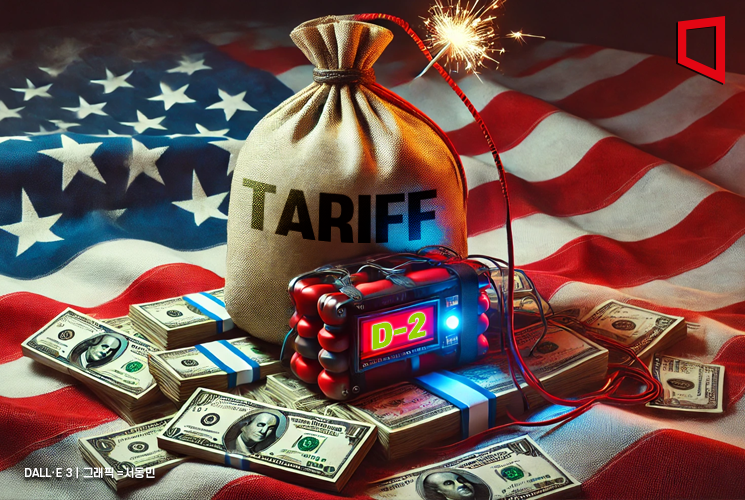
U.S. President Donald Trump’s so-called "Liberation Day," April 2, when reciprocal tariffs are set to be imposed, is just two days away. While the prevailing view is that the so-called "Dirty 15" countries?those with large trade surpluses with the U.S. or those imposing significant tariffs on the U.S.?will be targeted, the possibility of expanding tariffs to all countries cannot be ruled out. If reciprocal tariffs are formalized this week following country-specific tariffs on Mexico, Canada, and China, as well as tariffs on steel, aluminum, and automobiles, the tariff war initiated by Trump since his inauguration on January 20 is expected to reach its peak.
President Trump will announce reciprocal tariffs on April 2, taking into account the tariff and non-tariff barriers of various countries. This announcement comes one day after the U.S. Trade Representative (USTR) releases the National Trade Estimate (NTE) report on April 1, which identifies and proposes improvements to unfair and non-reciprocal trade practices of trading partners.
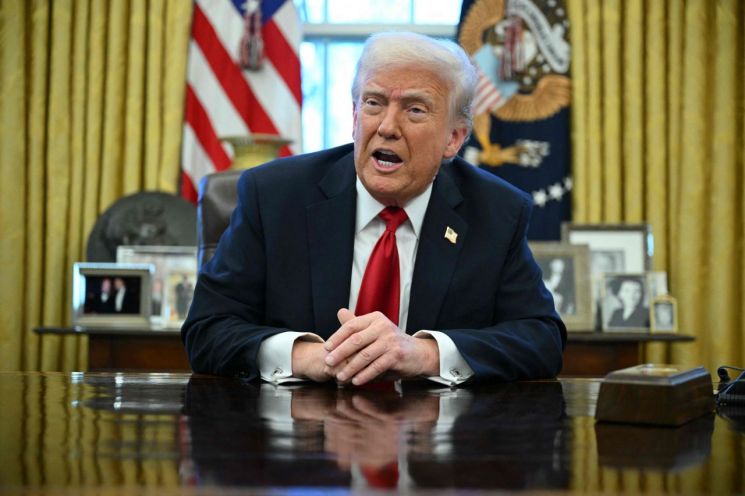
The key issues are which countries will be subject to reciprocal tariffs and the tariff rates, but these details appear to remain fluid. Kevin Hassett, Chairman of the White House National Economic Council (NEC), said in an interview with Fox News that "the number of countries subject to reciprocal tariffs will be decided by President Trump," adding, "We have huge trade deficits with about 15 countries. That doesn’t mean there aren’t many other unfair trade practices worldwide." This suggests that the list of countries to be targeted has not yet been finalized.
President Trump’s statements regarding reciprocal tariffs have been inconsistent. On the 24th, he said, "We may grant exemptions to several countries," but on the 26th, he changed his stance, saying "All countries" would be subject. Then on the 28th, he again said, "I’m definitely open," indicating that the details of reciprocal tariffs remain flexible and could be subject to negotiation.
Although the target countries for reciprocal tariffs remain unclear, the "Dirty 15" with large trade surpluses with the U.S., mentioned by U.S. Treasury Secretary Steven Mnuchin, are expected to face heavy tariff burdens. The Dirty 15 includes South Korea, which recorded a record $55.7 billion trade surplus with the U.S. last year. South Korea ranks eighth among countries with the largest U.S. trade deficits. President Trump also expressed negative views during his congressional speech on the 4th, falsely claiming that "South Korea’s average tariffs are four times those of the U.S." Allied countries with large trade surpluses with the U.S., such as Mexico, Canada, Japan, and Germany, are also likely to be included among those subject to reciprocal tariffs. Peter Navarro, White House trade and manufacturing advisor known as Trump’s "tariff strategist," explained the need for a 25% tariff on automobiles in an interview with Fox News, stating, "Germany, Japan, and South Korea are turning this country (the U.S.) from a manufacturing nation into an assembly nation," revealing a critical view toward countries with trade deficits, including South Korea.
After announcing reciprocal tariffs on April 2, President Trump is expected to begin full-scale bilateral trade negotiations with each country. U.S. Secretary of State Mike Pompeo previously indicated a "tariffs first, negotiations later" approach regarding reciprocal tariffs. Accordingly, South Korea will likely first face reciprocal tariffs and then focus on minimizing disadvantages compared to competitors in future trade negotiations with the U.S.
As President Trump expands the tariff front on all fronts, concerns are growing that the U.S. economy could be directly hit by economic slowdown and inflation. Especially with Canada and others clearly stating their intention to retaliate, if countries impose retaliatory tariffs or various protectionist measures, there are fears that the global trade order could collapse, severely damaging the world economy including the U.S. However, the U.S. daily Washington Post reported that President Trump is demanding even more aggressive tariff measures for a fundamental transformation of the U.S. economy. Trump views tariffs not only as a tool to resolve trade imbalances and restore U.S. manufacturing but also as a kind of "cheat key" that can increase tax revenues.
© The Asia Business Daily(www.asiae.co.kr). All rights reserved.


















