Even in the Tariff Proclamation,
"No Effect from the Revised Korea-U.S. FTA"
U.S. President Donald Trump announced that a 25% tariff will be imposed on automobiles imported into the United States starting from the 3rd of next month. In this context, a White House trade and manufacturing advisor referred to major trading partners, including South Korea, as "trade cheaters" and claimed that "unfair trade practices will soon change."
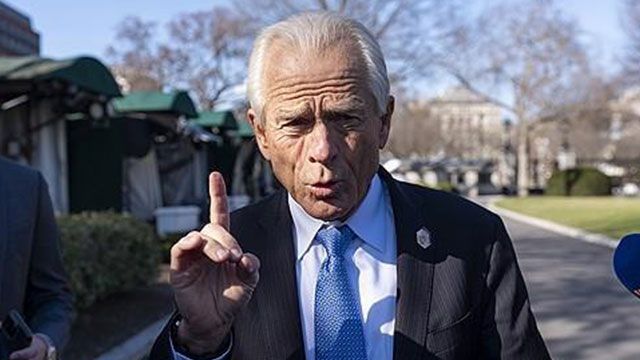
According to the New York Times (NYT) on the 26th (local time), Peter Navarro, the White House trade and manufacturing advisor, told reporters regarding the announcement of the automobile tariffs, "Foreign trade cheaters have turned the U.S. into a low-wage assembly plant for foreign parts." He added, "This issue weakens our national defense and manufacturing, posing a threat to national security."
Advisor Navarro specifically criticized South Korea, Japan, and Germany. He said these countries have weakened the ability of U.S. companies to sell automobiles overseas and stated that "this will soon change."
The White House also claimed in the proclamation imposing the automobile tariffs that the revised Korea-U.S. Free Trade Agreement (FTA) during Trump's first term did not produce positive results, and that the national security threat from automobile and parts imports has increased further.
In explanatory materials, it was stated that the revised Korea-U.S. FTA and subsequent negotiations have not alleviated the national security threat posed by automobile and parts imports, and that the goal of the new tariffs is to enable the U.S. to maintain its domestic industrial base and meet national security requirements.
During his first administration in 2019, President Trump ordered an investigation into whether imports of automobiles and other goods posed a threat to national security. The conclusion was that automobile imports did pose a security threat, but tariffs were not imposed at that time.
With the announcement of the tariff imposition on this day, South Korea, for which automobiles are one of the major exports to the U.S., is expected to face inevitable damage. Last year, South Korea's automobile exports to the U.S. amounted to $34.744 billion (approximately 51 trillion won), accounting for 27% of total exports to the U.S. and nearly half (49.1%) of the global automobile export value ($70.789 billion).
© The Asia Business Daily(www.asiae.co.kr). All rights reserved.

















