Births in January Increase by 2,486 Year-on-Year
Total Number of Births Reaches 23,947
The number of births in January increased by 11.6% compared to the previous year, marking the largest increase for January since related statistics began in 1981. This rise in births, occurring about two years after the end of the COVID-19 pandemic, appears to be influenced by a nearly 10% increase in the birth rate among women in their 30s, the main childbearing age group.
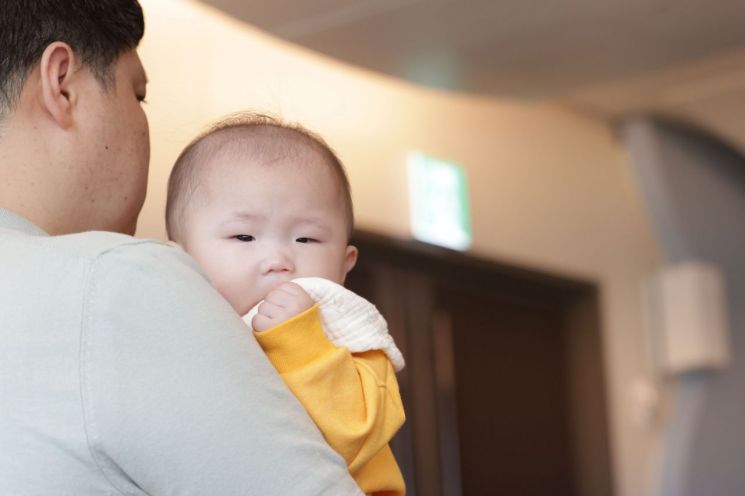
According to Statistics Korea's "Population Trends for January 2025" released on the 26th, the number of births last January was 23,947, an increase of 2,486 (11.6%) from the previous year. The monthly number of births has shown an increase compared to the same month of the previous year for seven consecutive months since July last year. The growth rate recorded double digits for five consecutive months, following 14.3% in November and 11.6% in December of last year.
Statistics Korea analyzed that the increase in births occurred about two years after the rise in the number of marriages following the end of the COVID-19 pandemic. In particular, the increase in the population of the main childbearing age group also had an impact. A Statistics Korea official explained, "The birth rate in the main childbearing age group increased, and a base effect also worked together." This means that population structure and changes in marriage played a major role in the rebound of births.
Looking at the age-specific birth rates, which Statistics Korea began compiling for the first time from January, the birth rate for women aged 30-34 increased by 8.0%, and for those aged 35-39 by 9.3%, which stands out. The total fertility rate in January also rose by 0.08 to 0.88 compared to the same month last year. The total fertility rate represents the expected number of children a woman will have in her lifetime and serves as a benchmark for population trends.
The number of marriages, which directly affects the number of births, also continued to increase. In January, the number of marriages was 20,153, up by 149 (0.7%) from the previous year. The monthly number of marriages has been on the rise since January 2023. However, the growth rate was limited to 0.7%, showing a slight slowdown. In November and December of last year, the number of marriages increased by 11.3% and 28.1%, respectively, compared to the previous year. A Statistics Korea official explained, "However, compared to January last year, which did not have the Lunar New Year holiday, this year saw fewer reporting days due to the holiday, which affected the numbers."
The number of deaths in December last year was 39,473, an increase of 7,081 (21.9%) from the previous year. With both births and deaths increasing, the natural population change, calculated by subtracting deaths from births, was a natural decrease of 15,526.
© The Asia Business Daily(www.asiae.co.kr). All rights reserved.

















