Voice Phishing Crimes Targeting Elderly Widespread in Japan
45% of Victims Are 75 or Older
ATM Daily Withdrawal and Transfer Limit of 300,000 Yen Under Review
Osaka Prefecture Considers 100,000 Yen Daily Transfer Limit
As voice phishing crimes are rampant in Japan, the Japanese National Police Agency is considering limiting the daily withdrawal and transfer limit at ATMs for elderly people aged 75 and over to 300,000 yen (approximately 2.92 million KRW).
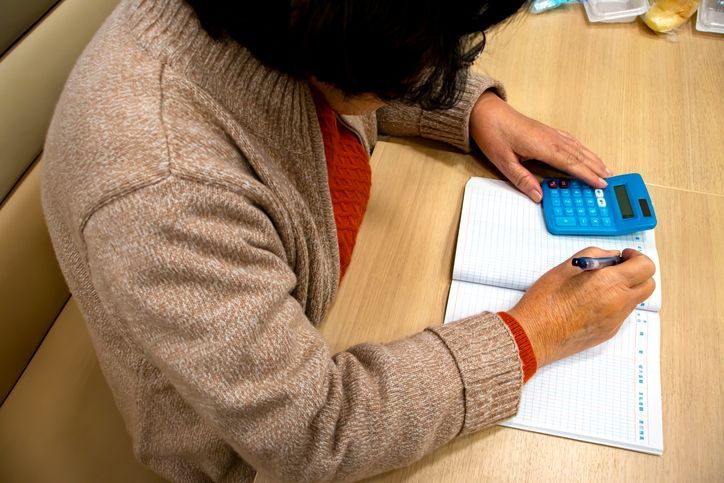 Osaka is rushing to introduce a system to prevent voice phishing damage. A revised ordinance was passed mandating a transfer limit of 100,000 yen (approximately 970,000 won) for those aged 70 or older who have no ATM transfer history in the past three years. Getty Images
According to the Yomiuri Shimbun on the 25th, the Japanese National Police Agency plans to introduce a system that restricts ATM withdrawal and transfer limits. Taking into account pension payments and other factors, the agency has tentatively set the daily ATM usage limit for elderly people at 300,000 yen.
Currently, the daily ATM usage limit in Japan is autonomously set by financial institutions, but once this system is implemented, a uniform limit will be introduced for the first time. However, exceptions are being considered for those who run personal businesses.
A National Police Agency official stated, "We will consult to ensure user convenience while also suppressing the burden on financial institutions."
Osaka is also rushing to introduce measures to prevent voice phishing damage. The Osaka Prefectural Assembly passed an ordinance amendment the day before that mandates a transfer limit of 100,000 yen (approximately 970,000 KRW) for those aged 70 and over who have no ATM transfer history in the past three years. It is known that the daily damage amount from special fraud (the Japanese term for voice phishing) including voice phishing in Osaka Prefecture reaches about 10 million yen (approximately 97.37 million KRW).
The assembly also banned elderly people from operating ATMs while talking on mobile phones within the region and required businesses to take necessary measures related to this. This is the first time in Japan that a ban on phone calls during ATM operation has been made mandatory.
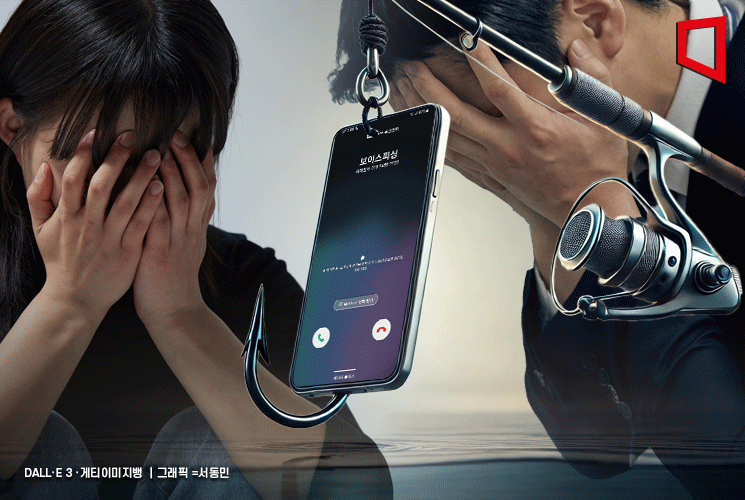
Meanwhile, last year in Japan, the amount of damage from special fraud, such as calling while impersonating family members or public institution staff and demanding remittances, increased by about 60% compared to the previous year, totaling approximately 72.1 billion yen (about 700 billion KRW). In particular, the elderly were notably affected, with 9,415 of the 20,951 victims last year, or 45%, being aged 75 and over.
© The Asia Business Daily(www.asiae.co.kr). All rights reserved.


















