No Specific Individuals or Groups Will Be Recognized as Holders
The Cultural Heritage Administration announced on the 21st that it will designate 'Temple Food,' which embodies the spirit of Buddhism, as a national intangible cultural heritage. They plan to collect opinions from various sectors for a month and decide on the designation after review by the Intangible Cultural Heritage Committee.
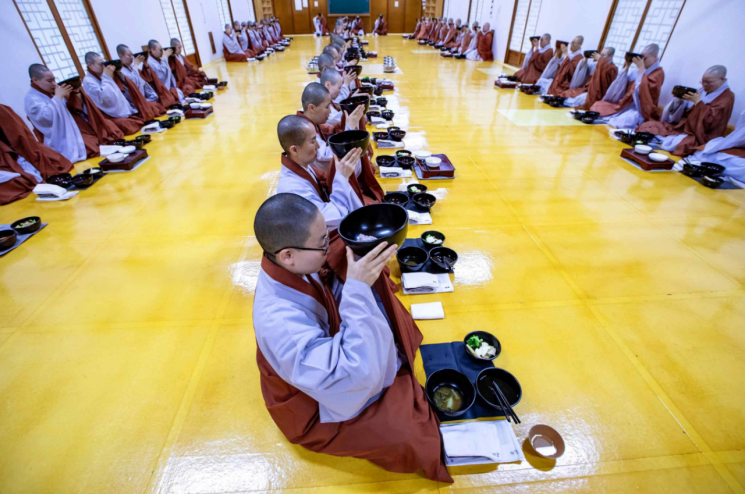
Temple Food refers to dishes passed down in temples, encompassing traditional meal practices represented by monks' practice meals and the formal offering of food (balwoogongyang). Based on Buddhist philosophy, all dishes are prepared without meat, fish, or the five pungent vegetables (garlic, green onion, chive, wild chive, and leek). Buddhism was introduced to Korea and, over a long period, mutually influenced and developed Korean food culture.
Related records can be found in Goryeo Dynasty literature such as "Dongguk Isanggukjip (東國李相國集)," "Jogye Jingakguksa Eorok (曹溪眞覺國師語錄)," and "Mogeun Sigo (牧隱詩藁)." These texts describe items like vegetarian dumplings and wild mustard kimchi. In the Joseon Dynasty, diaries such as "Mukjae Ilgi (默齋日記)" and "Sanjung Ilgi (山中日記)" show that temples played a key role as suppliers of fermented foods like tofu and meju (fermented soybean blocks) and preserved foods.
The Cultural Heritage Administration sees sufficient value in designating Temple Food as a national intangible cultural heritage for four main reasons: ▲It has developed and continued since the introduction of Buddhism ▲It embodies the philosophical values of Buddhism such as the principle of non-harm, respect for life, and moderation through food, shaping food culture ▲Its cooking methods focus on fermented foods, utilizing regional ingredients and reflecting local characteristics ▲While maintaining traditional cooking methods, it expands its scope through creative reinterpretation, contributing to cultural diversity.
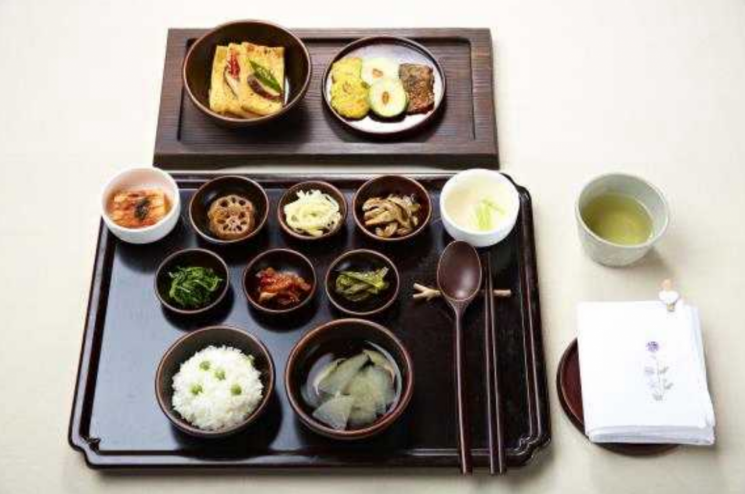
However, considering that various cooking methods have been passed down in each temple and that the transmission system involves the entire temple community, no specific holders or holder groups will be recognized.
© The Asia Business Daily(www.asiae.co.kr). All rights reserved.


















