U.S. FDA Recalls Certain Oysters from Tongyeong, Gyeongnam
"Possible Norovirus Contamination"
Sales of Korean Oysters Suspended... Sixth Recall to Date
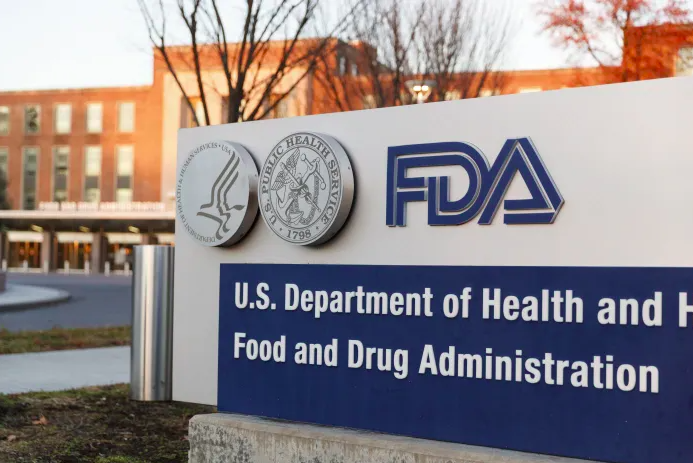
The U.S. Food and Drug Administration (FDA) has halted sales and initiated a recall of certain frozen oyster products manufactured in Tongyeong, Gyeongnam, due to potential contamination with norovirus. This marks the sixth time the FDA has suspended sales of Korean oysters.
The FDA recently announced on its website that some frozen half-shell oysters produced in Tongyeong may be contaminated with norovirus, prompting the sales suspension and recall. The FDA stated, "Restaurants and retailers must not serve or sell frozen half-shell oysters that may be contaminated and should discard all such products or contact distributors for disposal." They also advised, "Consumers experiencing norovirus symptoms after eating oysters should seek medical treatment."
The affected products are frozen half-shell oysters harvested on January 30 and February 4 of last year and manufactured by a company in Tongyeong. This action follows a recall report submitted to the FDA on the 7th by California, where the oysters were first distributed, due to suspected norovirus contamination. The recall is currently underway at a wholesale distributor, A, located in Los Angeles, California. However, it is reported that these oysters are no longer distributed domestically in Korea nor are there remaining stocks. The FDA has sent official letters to restaurants and wholesalers advising them not to sell or handle Korean frozen oysters and has also recommended that U.S. consumers avoid eating Korean frozen oysters.
This is the sixth recall of Korean oyster products by the FDA. Previously, in November 2022, raw and frozen Korean oysters distributed by Daewon Food were suspended from sale in 13 states. Subsequently, the same company's oyster products were recalled again in 2023 due to norovirus detection. In April and May of last year, oysters from Tongyeong, and in June, oysters from Geoje were all suspended from sale due to norovirus contamination.
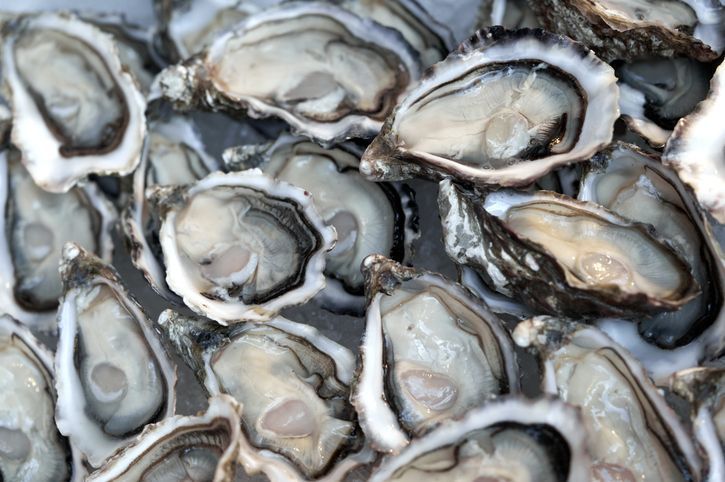
Norovirus is a virus that causes infectious gastroenteritis in humans through contaminated food. It can survive at low temperatures as low as minus 20 degrees Celsius and is a major cause of food poisoning in winter. The main symptoms include diarrhea, vomiting, abdominal pain, and fever. It is highly contagious, capable of causing infection regardless of age with only a small number of viral particles. Elderly people, children, and infants with weakened immune systems may experience severe complications. Because of its strong infectivity and the short duration of immunity after infection, reinfection with norovirus is possible, so caution is necessary.
According to the World Health Organization (WHO), 700 million people worldwide are infected with norovirus annually, and among them, 200,000 die. Norovirus has become one of the top five causes of death from food poisoning. Although norovirus is spreading, there is no vaccine to prevent it. Since there is no vaccine, maintaining hygiene is crucial for prevention. It is better to wash hands with soap for more than 30 seconds rather than using hand sanitizer. When preparing food ingredients, wash them under running water and cook thoroughly at temperatures above 85°C for at least one minute before consumption.
© The Asia Business Daily(www.asiae.co.kr). All rights reserved.
![Clutching a Stolen Dior Bag, Saying "I Hate Being Poor but Real"... The Grotesque Con of a "Human Knockoff" [Slate]](https://cwcontent.asiae.co.kr/asiaresize/183/2026021902243444107_1771435474.jpg)

















