Expansion of Red Brick Building Clusters
Distinctive Identity of Seongsu-dong Strengthened
Development into a Complex Cultural Space Embodying Sentiment and History
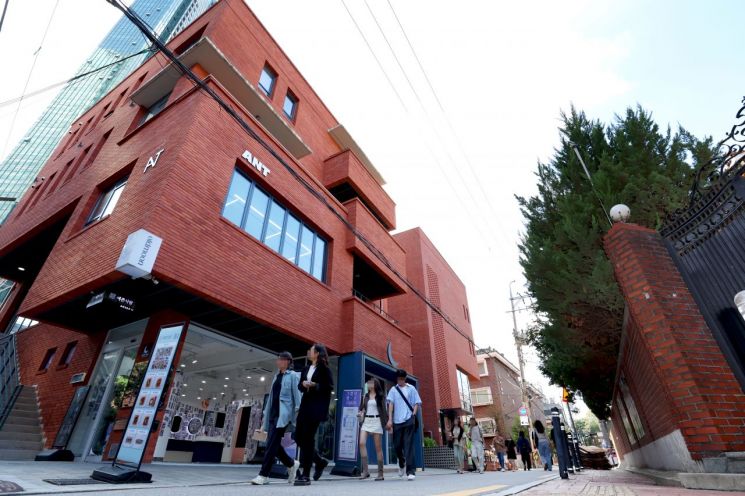
Seongdong-gu (Mayor Jung Won-oh) announced plans to continue the ‘Red Brick Building Support Project’ to develop Seongsu-dong into a complex cultural space that embodies both sentiment and history.
Since 2015, alongside the Seongsu-dong urban regeneration project, the district has promoted the red brick support project, transforming Seongsu-dong into a distinctive area where the past and present coexist, blending traditional industries with trendy culture.
First, from 2018 to 2021, with a budget of 1 billion KRW provided by Seoul City, a pilot project for ‘Red Brick Building Support’ was carried out targeting about 30 buildings around Atelier-gil on the north side of Seoul Forest.
The ‘Red Brick Building Support’ project preserves red brick factories and warehouses built in the 1970s and 1980s, as well as red brick houses established in the 1980s and 1990s. This initiative helped red brick materials become a new urban landscape trend in the area, making Seongsu-dong a popular destination not only for younger generations but also for older generations who feel nostalgic about brick architecture.
Following the successful implementation of the pilot project, the district newly designated areas with dense red brick buildings, including the existing project site around Atelier-gil north of Seoul Forest, the south side of Ttukseom Station, the north side of Seoul Forest Station, the area around Korea National Open University, and the caf? street near Seongsu Station. From 2023 to 2026, 400 million KRW of district funds will be invested.
Support for ‘Red Brick Buildings’ is decided through a review by the building review committee. When constructing or extensively renovating red brick buildings, up to 20 million KRW per project can be supported, covering up to half of the total construction cost.
In 2023, five buildings were selected as red brick building targets, including one new construction and four expansions or major renovations. In the first half of 2024, five buildings were selected, including three new constructions, one expansion or major renovation, and one major renovation. Among them, six buildings have completed their occupancy approval, and the remaining buildings have either started construction or are awaiting occupancy approval.
Atelier-gil and the south side of Ttukseom Station are hot spots densely packed with clothing stores, accessory shops, workshops, and famous restaurants that lead youth culture. Concentrated support for these red brick building hubs is expected to form clusters of red brick buildings, further revitalizing the commercial districts around Seongsu-dong and spreading throughout the entire area.
Additionally, Seongsu-dong is especially loved by artists, creators, and people who enjoy a stylish lifestyle. The distinctive design and sentiment provided by the red brick buildings at the heart of this area are analyzed to be key factors enhancing Seongsu-dong’s appeal.
Jung Won-oh, Mayor of Seongdong-gu, stated, “‘Red brick buildings’ play a central role in creating Seongsu-dong’s unique culture by bridging the past and present and driving local economic development. We will continue to preserve the historical value of red brick buildings for a long time while ensuring harmony with changing trends and sensibilities through ongoing interest and support.”
© The Asia Business Daily(www.asiae.co.kr). All rights reserved.

















