"Trade Partners Target Regions Most Vulnerable to Trump
with Retaliatory Tariffs"
The New York Times (NYT) reported on the 16th (local time) that the damage caused by the 'trade war' initiated by U.S. President Donald Trump is expected to be concentrated in regions with many of his supporters.
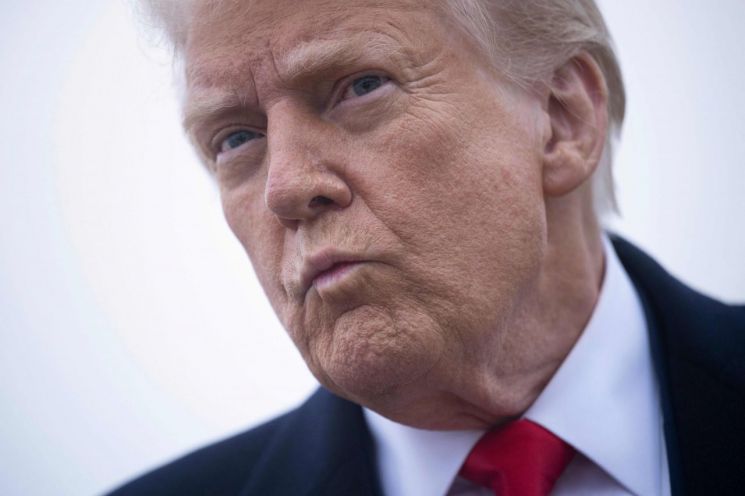
According to the report, about 7.75 million people across the United States will be affected by retaliatory tariffs imposed on the U.S. by China, Canada, and the European Union (EU). These countries announced tariffs targeting major U.S. exports after President Trump first imposed tariffs.
Among the 7.75 million Americans affected by the tariffs, 4.48 million reside in areas that voted for President Trump in last year's election. The remaining 3.26 million live in regions that supported Democratic former Vice President Kamala Harris.
The 7.75 million figure represents the number of people employed in industries targeted by the tariffs imposed by China, Canada, and the EU, and the NYT observed that some of these individuals may lose their jobs due to the tariff impact. These jobs are concentrated in the upper Midwest, South, and Southeast of the U.S., including several regions responsible for agricultural production.
Regions producing coal, oil, auto parts, and other manufactured goods are also exposed to the tariffs. In Wisconsin, for example, 9.5% of all jobs are affected by the tariffs, and 77% of those jobs belong to Trump supporters.
States such as Indiana (8.5%), Iowa (8.4%), Arkansas (8.2%), and Alabama (8.1%) also have a high number of jobs affected by tariffs, with over 70% of those jobs held by Trump supporters.
The reason regions supporting President Trump are more exposed to retaliatory tariffs appears to be that other countries targeted areas where tariffs would have the greatest political impact on Trump.
The damage caused by tariffs is expected to be especially concentrated in agriculture. China and other countries implemented tariffs targeting farmers, a solid support base for President Trump, during his first term, which caused a sharp decline in U.S. exports of soybeans and other agricultural products. China began importing more agricultural products from Argentina and Brazil instead of the U.S., and President Trump spent over $20 billion to support farmers affected by the trade war.
In his congressional address on the 4th, President Trump hinted that farmers might suffer again but described it as 'a little disruption,' saying, "We are fine. (The disruption) will not be that big."
© The Asia Business Daily(www.asiae.co.kr). All rights reserved.

















