Japan Plans to Increase Rice Exports Eightfold in Five Years Amid Soaring Prices
If Supply Shortages Occur, Exported Rice Will Be Redirected to Domestic Market
Aims to Prevent Excessive Reduction in Rice Cultivation Area
The Japanese government announced plans to increase its rice export target for 2030 to 350,000 tons, which is eight times the current level.
Local media, including the Asahi Shimbun, reported, "Last year, Japan's rice exports amounted to 45,000 tons, about 1% of the staple rice production volume, but if this plan proceeds as intended, it will increase to around 5%."
The Ministry of Agriculture, Forestry and Fisheries plans to reflect this increased rice export target in the "Basic Plan for Food, Agriculture and Rural Areas," which is revised every five years.
By utilizing surplus rice production capacity to expand exports and redirecting exported rice back to domestic supply if supply shortages occur, the government aims to prevent price surges. Another goal is to prevent excessive reduction in the cultivation area of staple rice.
Until now, as the demand for staple rice has tended to decrease by about 100,000 tons annually, the Japanese government has encouraged crop rotation by providing subsidies to grow other crops instead of staple rice. Last year, paddy fields capable of producing about 1.2 million tons of rice were used for cultivating crops for fertilizer purposes and others.
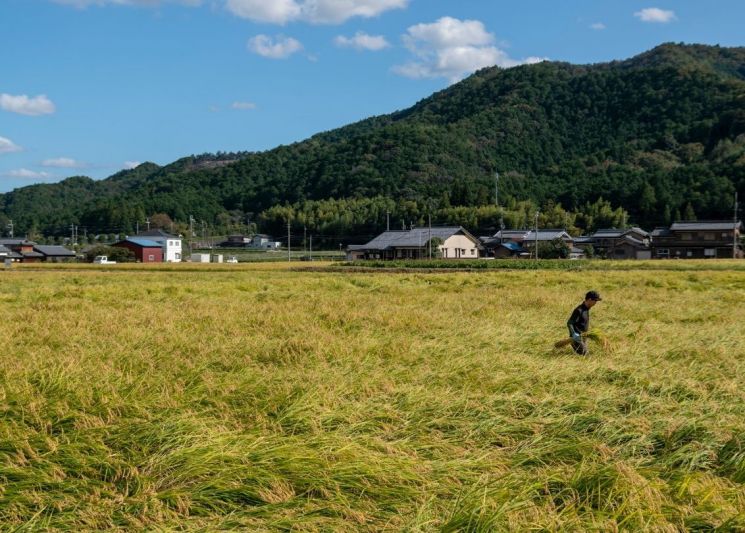 Rice farming reference photo in Japan. Ministry of Agriculture, Forestry and Fisheries of Japan Facebook.
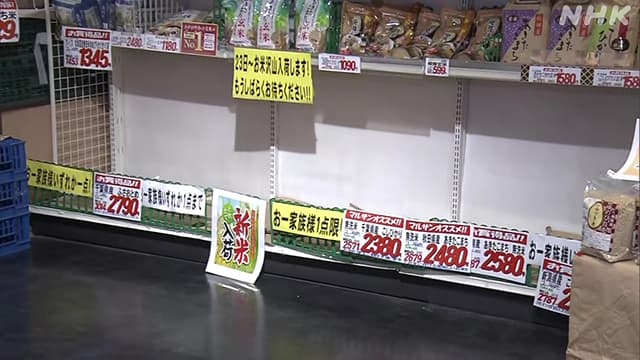
However, with rice prices recently rising to twice the usual level, policy conditions are changing, including decisions to release reserved rice stocks. The "Basic Plan for Food, Agriculture and Rural Areas" is expected to be finalized at a cabinet meeting around the end of this month.
The Asahi Shimbun also reported that the Ministry of Agriculture, Forestry and Fisheries has a separate plan to increase rice exports to 1 million tons by 2040.
The Yomiuri Shimbun reported that the Japanese government has set a revenue target of 3 trillion yen (approximately 29 trillion won), double the current level, for overseas expansion of Japanese food and dining businesses by 2030. It also plans to set food consumption by inbound tourists at 4.5 trillion yen, three times the current level, and incorporate this into the "Basic Plan for Food, Agriculture and Rural Areas."
© The Asia Business Daily(www.asiae.co.kr). All rights reserved.


















