Gangnam Area Leads Seoul's Apartment Price Surge
Songpa-gu Sees Largest Weekly Increase in Over Seven Years
Reconstruction Complexes Drive Upward Trend Amid Cautious Buying
Apartment prices in the Gangnam area of Seoul have accelerated their upward trend. Following the lifting of the land transaction permit zone, prices have steadily increased, with the weekly rise rate in Songpa-gu, Seoul, reaching the highest level in over seven years since February 2018.
According to the weekly apartment price trend data released by the Korea Real Estate Board on the 6th, prices in Seoul rose by 0.14% as of the 3rd of this month. This marks an expanded increase compared to the previous week (0.11%). While apartment prices fell mainly in local areas such as Daegu·Gyeongbuk and Busan·Gyeongnam, the nationwide figure showed a slight decrease of 0.01%.
The rise was most prominent around the Gangnam area of Seoul. Songpa-gu saw a 0.68% increase in just one week, the largest rise since February 2018. The cumulative increase compared to the beginning of the year reached 2.08%, contrasting with the slight decline during the first two months of last year.
Seocho (0.49%) and Gangnam (0.52%) districts showed similar trends. The southeastern Seoul area, including Gangdong-gu, recorded a 0.48% increase. Significant rises were noted around Jamsil·Sincheong-dong, Cheongdam·Apgujeong-dong, and Banpo·Jamwon-dong. In other parts of Seoul, Yongsan-gu, Gwangjin-gu, and Mapo-gu also showed noticeable upward trends.
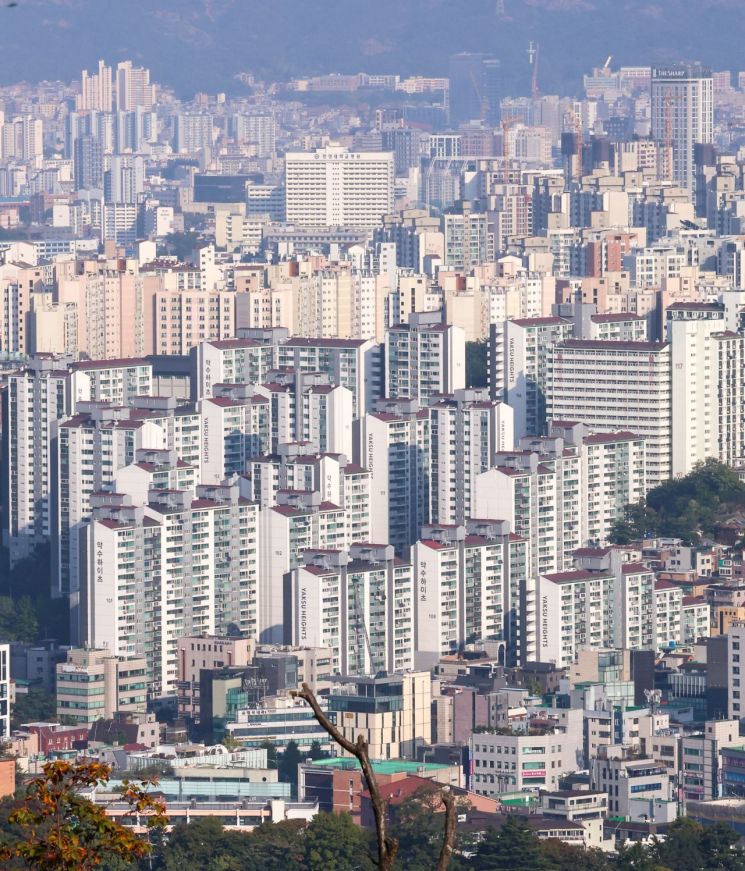
The Real Estate Board explained, "In major preferred complexes such as those undergoing reconstruction, the asking prices of sellers have risen, leading to contracts at higher prices," adding, "While some areas or complexes show a cautious stance among buyers, the overall upward trend in Seoul has continued."
In the Gyeonggi area, except for some regions like Gwacheon and Suji in Yongin, a general downward trend was observed. Incheon fell by 0.03% compared to the previous week. In local areas, the decline continued mainly centered around the five major metropolitan cities.
Regarding jeonse (long-term lease) prices, the increase in the metropolitan area centered on Seoul expanded, while local areas maintained a stable trend. The nationwide apartment jeonse price increase rate was about 0.01%. Even within Seoul, while outer areas and older buildings showed a downward trend, contracts at higher prices were made mainly in preferred complexes such as those near subway stations or in school districts, sustaining an overall upward trend, according to the Real Estate Board.
© The Asia Business Daily(www.asiae.co.kr). All rights reserved.

















