Egg Prices Soar Due to Avian Influenza... "Eggflation" Unfolds
U.S. Secretary of Agriculture Develops Strategies to Resolve Crisis
"Support to Make Raising Chickens at Home Easier"
As egg prices in the United States hit an all-time high, causing "eggflation" (a portmanteau of egg and inflation), the Secretary of Agriculture mentioned that raising chickens in the backyard of ordinary households could be a good solution.
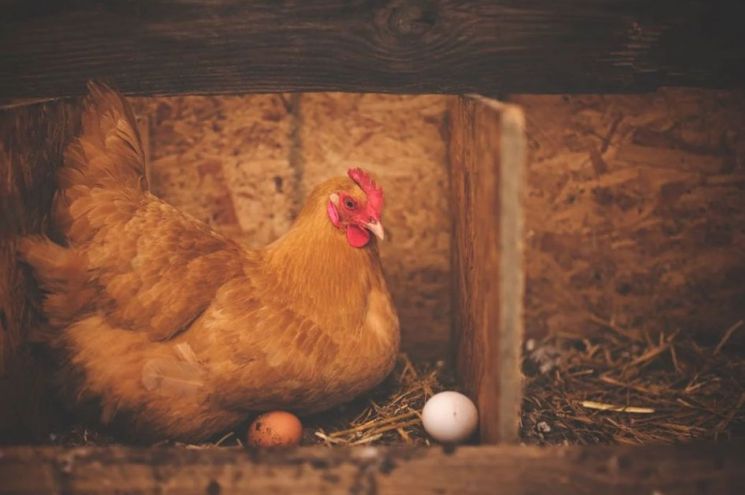
According to Newsweek on the 4th (local time), Brooke Rollins, U.S. Secretary of Agriculture, appeared on Fox News on the 2nd and said, "The idea of 'raising chickens in the backyard' is the solution." She had also contributed an article titled "Plan to Lower Egg Prices" to the Wall Street Journal (WSJ) on the 26th of last month, stating that support would be provided to make it easier for ordinary households to raise chickens. At that time, Secretary Rollins said, "During former President Biden's administration, grocery prices rose by more than 20%. The average price of a dozen eggs surged 237% from $1.47 (about 2,100 won) in January 2021 to $4.95 (about 7,200 won) last month. Currently, consumers are facing egg prices (per dozen) exceeding $10 (about 14,500 won) at the highest."
She continued, "The Department of Agriculture will invest up to $1 billion (about 1.45 trillion won) to stop this crisis and make eggs affordable again," unveiling five strategies to combat avian influenza (AI). According to the plan, $500 million (about 720 billion won) will be provided to poultry farms to implement infection prevention measures called "Wildlife Biosecurity Assessment," developed by the government. Additionally, $400 million (about 580 billion won) will be allocated to farms that culled chickens due to avian influenza to help them restore their farms and resume poultry farming. Furthermore, up to $100 million will be supported for AI vaccine and treatment research and development.
Moreover, regulations such as the "minimum space requirements for laying hens," which had been applied in California, will be relaxed to increase egg supply, and raising chickens in ordinary households' backyards will be encouraged. She also added that, in the short term, the option of temporarily importing eggs from abroad to lower egg prices would be considered.

The surge in egg prices in the U.S. was caused by the culling of tens of millions of poultry due to avian influenza (AI). As this eggflation phenomenon unfolded, locals began raising chickens directly in their backyards. On the 16th of last month, local media Axios reported that 11 million U.S. households raise chickens. Considering that only 5.8 million households were estimated to raise chickens as of 2018, this number has doubled in about six years. Consequently, chickens have become the third most popular pet in the United States.
Jen Tompkins, co-owner of the company "Rent the Chicken," which rents hens, explained, "In mild weather during spring and fall, raising two hens under three years old can yield 8 to 14 eggs per week." Building a chicken coop and preparing usually costs around $500 (about 720,000 won), and thereafter, feed and maintenance expenses amount to about $20 (about 29,000 won) per month. Axios reported, "Egg prices continue to soar," adding, "Costs per egg can be reduced by establishing cooperatives or increasing the number of chickens raised."
© The Asia Business Daily(www.asiae.co.kr). All rights reserved.


















