Patent Filed for "Antimicrobial Peptide" in January
AI-Driven Breakthrough in Wound and Lung Disease Treatment
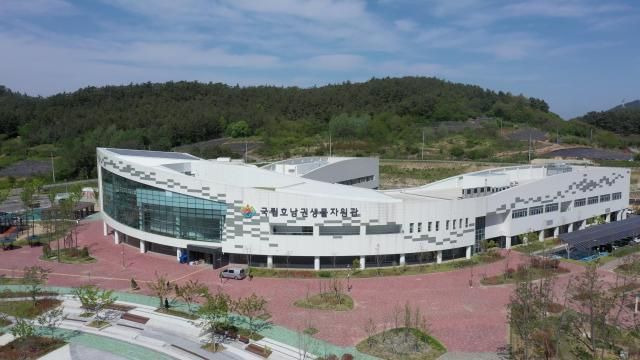
The National Honam Biological Resource Center, under the Ministry of Environment (Director: Park Jinyoung), announced on the 5th that it has recently developed a new "antimicrobial peptide" effective for wound healing and lung disease treatment by utilizing artificial intelligence (AI) in collaboration with both public and private sectors.
This development of the "antimicrobial peptide" involved the following teams: Professor Jo Namgi's team from the Department of Pharmacy at Chonnam National University, the peptide research team from Insilicogen Inc., and Dr. Yoo Guijae's team from the Functional Platform Research Group at the Korea Food Research Institute.
The research team used AI technology to quickly identify 11 candidate antimicrobial substances from approximately 28,000 protein sequence data. Subsequently, through actual experiments on the candidate antimicrobial substances, they developed a new antimicrobial peptide beneficial for wound and lung disease treatment, for which they filed a patent in January.
This antimicrobial peptide is a natural substance derived from Halcurias carlgreni, which is native to Jeju Island, and demonstrated strong antimicrobial effects against Pseudomonas aeruginosa, known to cause various infections such as skin infections, pneumonia, and sepsis.
In wound healing experiments, collagen and blood vessels were regenerated, and the area of the infected wound was reduced by up to 82%. In lung disease treatment experiments, Pseudomonas aeruginosa was inhibited by 81%, alleviating and protecting tissue damage, showing effects similar to existing antibiotics.
Notably, this antimicrobial peptide has a simple structure, making it easy to synthesize and economically viable for production. Therefore, compared to conventional antibiotics, it has a lower risk of toxicity and side effects as a natural antibiotic and holds high potential for commercialization. It could be used as an alternative antibiotic for diseases caused by Pseudomonas aeruginosa, which are difficult to treat.
This development of the "antimicrobial peptide" was promoted through the "Securing Omics Big Data and Peptide Materials Derived from Island Wild Organisms" project, which is part of the "Advanced National Bio-Resource Project (Korea Environmental Industry and Technology Institute)" being conducted by the Island Wild Organism Material Advancement Research Group since 2023.
Choi Kyungmin, head of the Island Wild Organism Material Advancement Research Group at the National Honam Biological Resource Center, stated, "This research utilized artificial intelligence technology to discover promising antimicrobial peptides in a short period and confirmed their actual therapeutic effects. We will continue to explore the potential of island and coastal biological resources and pursue innovative research that benefits public health and the environment."
© The Asia Business Daily(www.asiae.co.kr). All rights reserved.

















