If You Pay $5 Million, You Get a Green Card
Trump: "The World's Wealthy Will Want It"
Golden Visa Programs Operated by 100 Countries
Southern Europe Uses It as an Economic Stimulus Measure
U.S. President Donald Trump’s so-called 'Gold Card,' introduced as a replacement for the existing investor immigration system, is expected to become the second most expensive permanent residency permit in the world. Currently, about 100 countries operate similar systems, known as 'Golden Visa' programs. The eligibility criteria for obtaining permanent residency vary widely depending on each country's economic conditions.
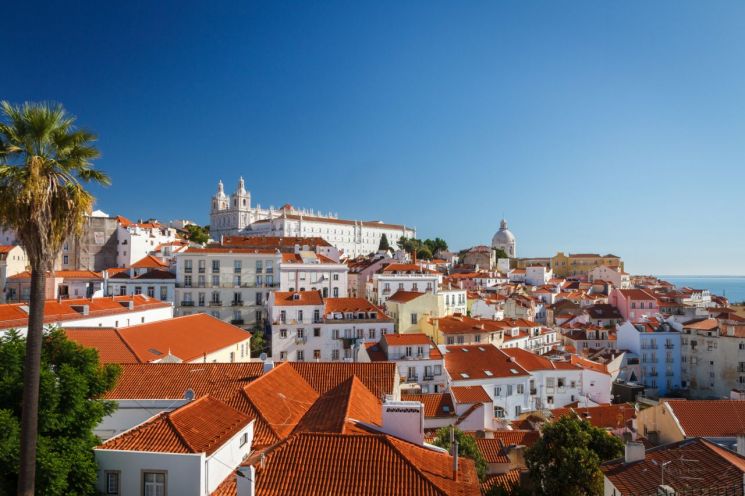 Spain, Greece, and Portugal each have a Golden Visa program that grants short-term residency permits in exchange for investments worth at least 250,000 to 500,000 euros. Pixabay
The Right to Live in the U.S. Sells for 7 Billion KRW
Last month, President Trump announced the introduction of the 'Gold Card,' which grants U.S. permanent residency. The U.S. has been running the 'EB-5' program since 1990, which grants green cards to investors who create large-scale jobs. However, U.S. Secretary of Commerce Wilbur Ross strongly criticized the program that day, saying, "EB-5 was irrational and a means to obtain green cards at a cheap price."
The EB-5 program allowed permanent residency with an investment of up to $1.8 million (about 2.6 billion KRW), depending on the region. The Gold Card, which will replace it, is expected to be priced at $5 million (about 7.3 billion KRW). President Trump also hinted at the possibility of funding the national budget through the 'sale of permanent residency.' At a press conference, he claimed that global billionaires would be "thirsty for the Gold Card" and that "even if we sell it to just one million people, we would earn $5 trillion (about 7,300 trillion KRW)."
About 100 Countries Operate Investor Immigration Programs
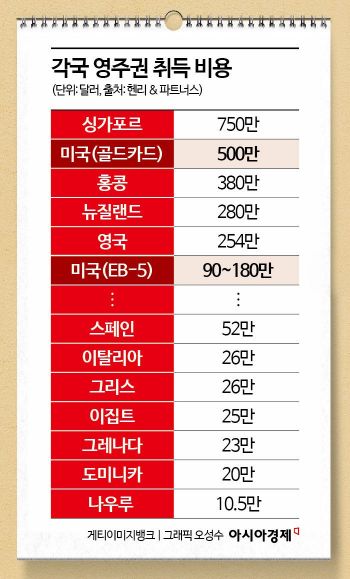
According to Henry & Partners, a UK-based asset management firm, as of this month, over 100 countries worldwide already operate 'Golden Visa' programs that grant permanent residency in exchange for investment. Most Golden Visas grant permanent residency in return for investing a certain amount in real estate, funds, or other assets. The Gold Card differentiates itself by not requiring such asset purchases.
Once the Gold Card policy is introduced, it will immediately become the second most expensive permanent residency permit worldwide. According to Henry & Partners’ global Golden Visa status information, the most expensive permanent residency program currently is in Singapore. It can be obtained by investing 10 million Singapore dollars (about $7.8 million or 1.13 billion KRW) in a Singaporean company. This visa is especially popular among businesspeople because it grants the right to reside in Singapore, a global financial and shipping hub.
In Hong Kong, another Asian financial hub, obtaining permanent residency requires an investment of $3.8 million. The UK Golden Visa, which requires a $2.54 million (about 370 million KRW) startup fund contribution, is also expensive.
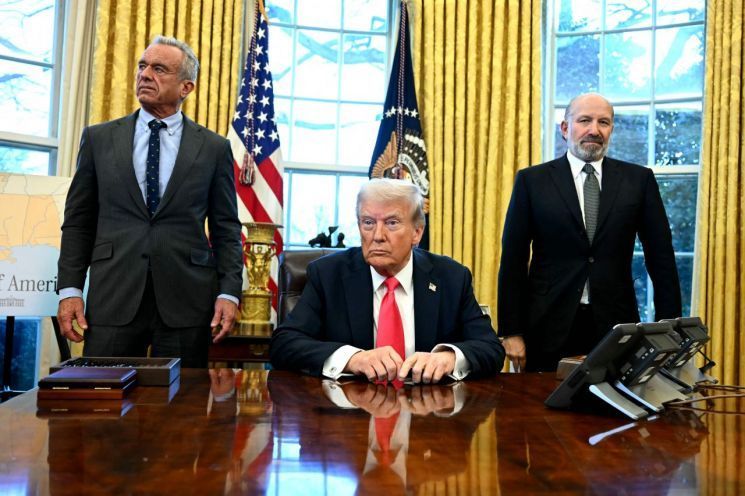 Donald Trump, President of the United States, held a press conference after signing an executive order in the White House office on the 25th of last month (local time). Photo by AFP and Yonhap News.
Will the Gold Card become as popular as President Trump claims? In a statement released on the 26th of last month, Henry & Partners said, "The U.S. is the country where 37% of the world’s total equity (liquidity) flows," and "The U.S. remains a leader in private wealth creation, and the Gold Card will offer the wealthy another unique opportunity."
Southern European Countries Also Use It as an Economic Stimulus Measure
The fact that wealthy individuals seek permanent residency in exchange for investments worth tens of billions of KRW reflects the status of countries considered good places to live.
Attempts to ease government financial burdens through the 'sale' of permanent residency are not new. During the Southern European debt crisis in 2010, some Southern European countries such as Greece and Portugal lowered the requirements for obtaining Golden Visas to attract many wealthy individuals.
These countries issued permanent residency to wealthy investors who invested in high-priced real estate, which was evaluated as useful for stimulating the housing market, which was depressed due to the economic crisis, and securing tax revenue. Originally, Portugal planned to end its Golden Visa program in 2023, but after parliamentary discussions, it decided to maintain it by changing the real estate investment immigration requirements to donations, startup investments, and other forms.
South Korea also implemented an investor immigration system in 2010, issuing residence visas (F-2) to those who invested in real estate or public projects in specific regions such as Jeju, Incheon, and Gangwon, and granting permanent residency after maintaining the investment for five years. The investment threshold was raised to 1 billion KRW in 2023.
Wealth Gap Revealed in Permanent Residency Price Tags
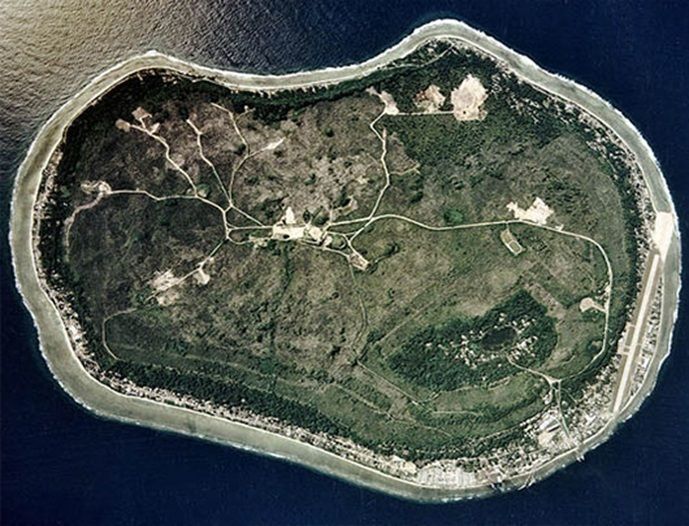 The island of Nauru facing a housing crisis due to rising sea levels caused by global warming. Official website of the Republic of Nauru government.
As Golden Visas are used as a measure to revitalize the economy, they also reveal the 'wealth gap' between permanent residencies.
The South Pacific city-state of Nauru has been implementing a policy called the 'Nauru Economic and Climate Resilience Citizenship' since November last year, granting citizenship to individuals who donate $105,000 (about 150 million KRW). As a member of the Commonwealth, Nauru citizens can enter 89 countries visa-free. The relatively low price at which Nauru sells citizenship is due to the climate crisis. The island nation of Nauru is raising funds to relocate its approximately 10,000 residents to higher ground in response to rising sea levels and repeated flooding.
© The Asia Business Daily(www.asiae.co.kr). All rights reserved.



















