Jung-gu, Daegu (Mayor Ryu Gyu-ha) held the opening ceremony of the ‘Daegu Prison History Museum’ at Samdeok Church on the 27th and officially began its operation.
The opening ceremony was attended by about 100 people, including Ryu Gyu-ha, Mayor of Jung-gu, Daegu; Kim Dong-hyun, Chairman of the Jung-gu Council, Daegu; city and district council members; Kim Neung-jin, Chairman of the Daegu Independence Movement Memorial Hall Construction Promotion Committee; Kang Young-rong, Senior Pastor of Samdeok Church; heads of district and neighborhood councils; and local residents, celebrating the opening of the history museum.
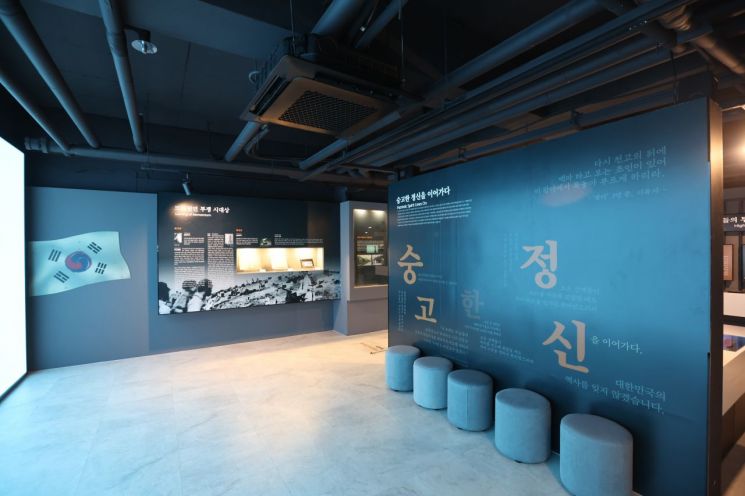
The old Daegu Prison (Hyeongmuso), which was located on the site of Samdeok Church, was the largest prison south of the Han River during the Japanese colonial period, where numerous independence activists from the Samnam region were imprisoned. In particular, this site is a painful historical place where 216 independence activists died for their country. Jung-gu Office established the ‘Daegu Prison History Museum’ on the second floor of the Samdeok Church 60th Anniversary Memorial Hall to re-examine their sacrifice and dedication and to use it as a space for historical education and memorials to pass on the spirit of the independence movement to future generations.
The history museum covers an area of 121.83㎡ and consists of an exhibition zone, a video zone, and a memorial zone. In the exhibition zone, visitors can vividly experience the lives of the patriotic martyrs who died for their country, the major history of Daegu Prison, and stories of key figures through guide panels and handsets. The video zone screens videos about the history of Daegu Prison and the independence movement to help visitors better understand. The memorial zone provides an experiential space where visitors can write letters digitally to express their gratitude to the patriotic martyrs.
Additionally, the museum operates from 10 a.m. to 6 p.m. (closed on Sundays). To provide visitors with more in-depth historical explanations, a local culture guide will be stationed to support museum tours and guide visitors to Jung-gu tourist sites. Furthermore, the museum plans to enrich the Jung-gu tourism course by linking it with the Samdeok-Bongsan Cultural Road, which is the 4th course of the Jung-gu alley tour.
Jung-gu Office, Daegu, plans to promote the museum to local educational institutions so that it can be used as a historical education experiential learning site for elementary, middle, and high school students. It also plans to hold various events linked to national memorial days such as Memorial Day and Liberation Day.
Ryu Gyu-ha, Mayor of Jung-gu, Daegu, said, “The Daegu Prison History Museum is a site where anti-Japanese independence activists were imprisoned and died for their country. Although it was buried without a trace, their noble spirit will be deeply engraved in the hearts of our descendants.” He added, “We will continue to prepare related content and operate various historical experience programs.”
© The Asia Business Daily(www.asiae.co.kr). All rights reserved.

















