13% Reduction in Vehicle-to-Vehicle Accidents
"Mandatory Installation of Advanced Safety Devices to Prevent Reversing Accidents Needed"
A study found that installing advanced safety devices to prevent reversing accidents reduced vehicle-to-vehicle accidents by 13% and pedestrian accidents by 45%.
Samsung Fire & Marine Insurance Traffic Safety Culture Research Institute announced the "Effectiveness of Advanced Safety Devices for Preventing Reversing Accidents" on the 27th. This announcement is based on an analysis of advanced safety device installation and traffic accident status of domestic vehicles insured by Samsung Fire & Marine Insurance from 2019 to 2023.
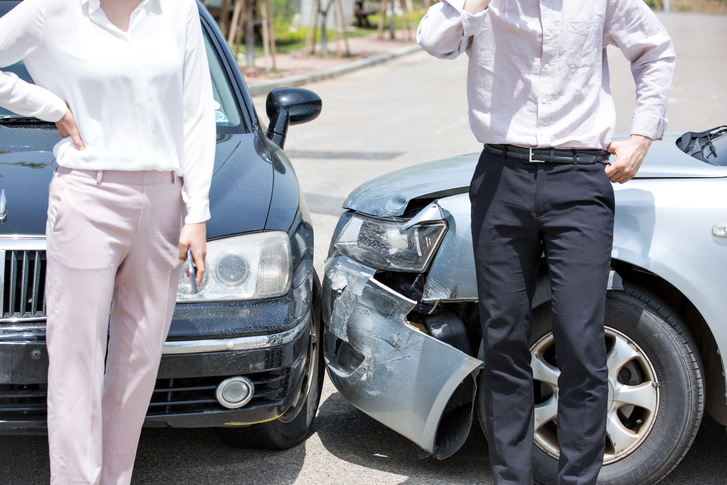
In the past five years, traffic accidents caused by reversing vehicles accounted for 7.1% of all vehicle-to-vehicle accidents and 14.3% of pedestrian accidents. High-risk offending vehicles were cargo and passenger vehicles, and the vulnerable age group for accident victims was elderly people aged 65 and over.
The accident reduction effect was clear when equipped with advanced safety devices to prevent reversing accidents. This device automatically brakes the vehicle when a collision with another vehicle or pedestrian is anticipated during reversing. It is divided into a "vehicle type," which detects approaching vehicles from the rear side, issues warnings, and automatically brakes when a collision is predicted, and a "pedestrian type," which detects pedestrians or objects behind, issues warnings, and automatically brakes when a collision is predicted.
Vehicles equipped with the vehicle-type device experienced 70.3 accidents per 10,000 vehicles over five years in vehicle-to-vehicle accidents. Non-equipped vehicles had 81 accidents. This device resulted in a 13.2% reduction in accidents. For vehicles equipped with the pedestrian-type device, 2.6 accidents per 10,000 vehicles occurred, while non-equipped vehicles had 4.8 accidents. This device brought about a 44.7% reduction in accidents.
Based on subscription information, Samsung Fire & Marine Insurance analyzed the basic installation rate of reversing accident prevention devices in domestic passenger, cargo, and passenger vehicles. There were no vehicles equipped with advanced devices among cargo and passenger vehicles. Among passenger cars, 10.9% (about 420,000 vehicles) of all insured vehicles were equipped with the vehicle-type device, and only 2.4% (about 94,000 vehicles) had the pedestrian-type device.
Emergency Automatic Braking (AEB), an advanced safety device for preventing frontal accidents, was mandated for all vehicles in 2022. However, there is no mandatory regulation for installing advanced safety devices to prevent reversing accidents.
Seunggi Kim, lead researcher at Samsung Fire & Marine Insurance Traffic Safety Culture Research Institute, said, "Reversing accidents mainly occur in parking or stopping situations due to the unexpected appearance of vehicles or pedestrians, but the rear view is limited, restricting the driver's quick response." He added, "To expand the use of reversing accident prevention devices, it is necessary to mandate installation on high-risk vehicles and include the devices in automobile safety evaluation criteria, along with legal and institutional improvements."
© The Asia Business Daily(www.asiae.co.kr). All rights reserved.

















