Repairing the Traces of Time, Project Expected to Take Over Five Years
Dismantling and Preserving the "Rear Wall Mural" with Expert Consultation
Complete Dismantling and Restoration to Address Structural Issues
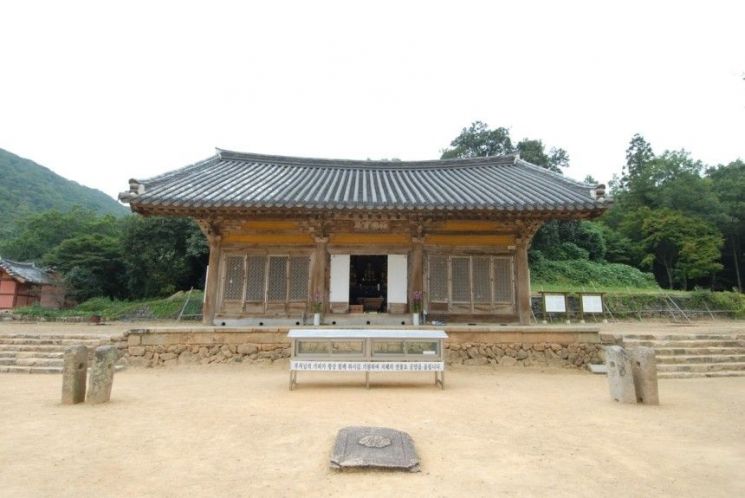
The national treasure "Gakrakbojeon Hall of Muwisa Temple in Gangjin," which boasts a 600-year history, will undergo a large-scale dismantling and restoration project for the first time in over 40 years. The Cultural Heritage Administration is considering a plan to completely dismantle and restore the Gakrakbojeon Hall based on structural issues and safety inspection results. The construction is expected to take at least five years.
According to the Cultural Heritage Administration on the 24th, the National Heritage Repair Technology Committee conditionally approved the agenda for dismantling and restoring Gakrakbojeon Hall at a meeting held last year.
Gakrakbojeon Hall of Muwisa Temple is a temple building designated as a national treasure in 1962. It is presumed to have been built in 1430 during the reign of King Sejong of the Joseon Dynasty (r. 1418?1450) and is known to be the oldest remaining building at Muwisa Temple.
Although it is regarded as an important architectural heritage that showcases the early Joseon style, there have been ongoing calls to repair various components as the traces of time have accumulated.
According to the "2021 Priority Management Target Monitoring Report" published by the National Research Institute of Cultural Heritage, Gakrakbojeon Hall received an "E grade" in the structural safety inspection, indicating the need for repairs.
At that time, the research team expressed concerns about damage caused by the imbalance of the roof load and suggested that it was necessary to continuously monitor (observe) major components and wall cracks.
In response, since 2022, the Cultural Heritage Administration has been focusing its research on dismantling and restoring the entire Gakrakbojeon Hall, while also reviewing specific methods such as phased dismantling plans.
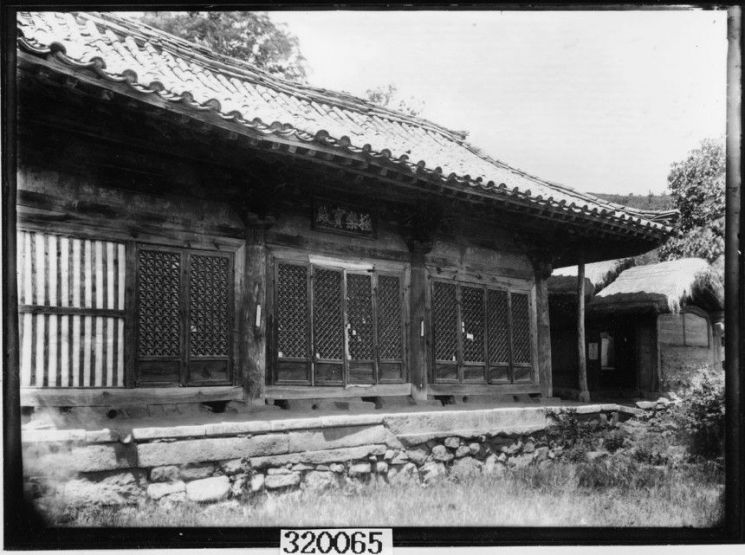
This will be the first time in over 40 years that Gakrakbojeon Hall of Muwisa Temple will be dismantled and repaired.
According to the paper "Records of Wall Repairs and Construction Techniques by Period of Gakrakbojeon Hall at Muwisa Temple in Gangjin," published in Volume 53, Issue 2 of the academic journal "Cultural Heritage" (currently titled "Heritage: History and Science") by the National Research Institute of Cultural Heritage, Gakrakbojeon Hall was dismantled and repaired in 1935, 1956, and 1982?1983.
Experts have also agreed on the necessity of a comprehensive restoration project.
An expert who participated in last year's consultation said, "Due to structural displacement, deterioration of each component, and subsidence of the foundation, the building is generally deformed," and concluded that complete dismantling and restoration are necessary.
Accordingly, the Cultural Heritage Administration stated, "Based on the results of the on-site investigation, we will proceed with dismantling and restoring the entire Gakrakbojeon Hall, and the mural paintings inside Gakrakbojeon Hall will be dismantled, relocated, and preserved."
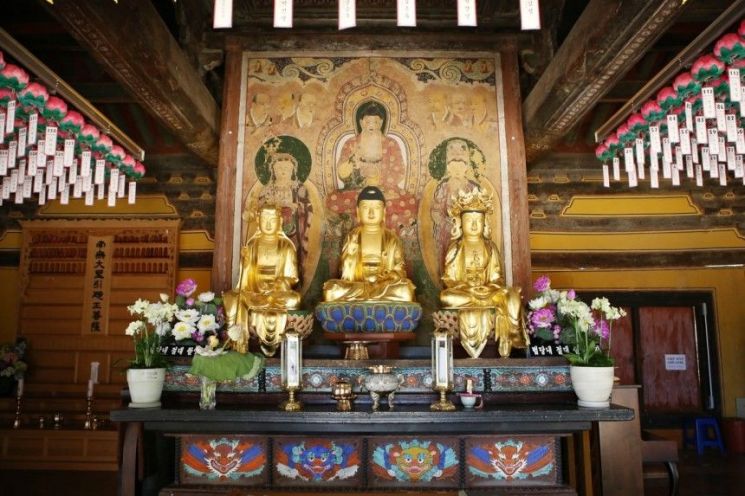
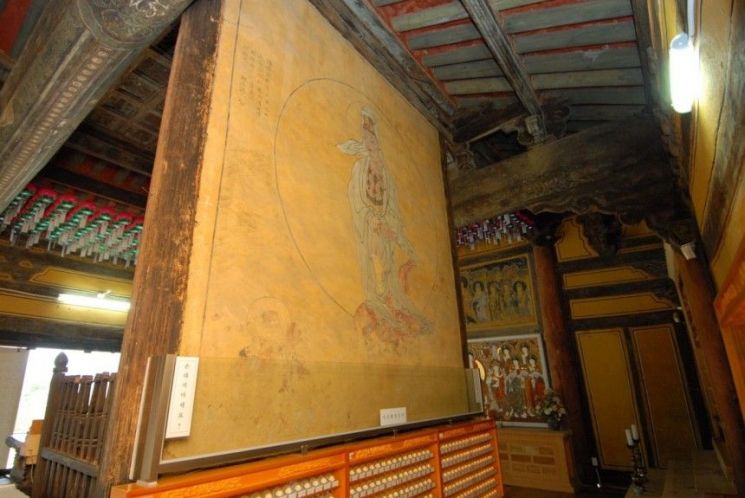
Currently, the altar rear wall painting remains inside Gakrakbojeon Hall.
On the front of the rear wall behind the Buddha statue is the national treasure "Amitabha Triad Mural of Gakrakjeon Hall at Muwisa Temple in Gangjin," and on the back is the treasure "Baekui Gwaneumdo of Gakrakjeon Hall at Muwisa Temple." Both are considered important materials for the study of early Joseon Buddhist paintings.
The National Heritage Repair Technology Committee set forth the condition that "regarding the order of dismantling the rear wall mural, the specifications must state that the process will proceed with advice from technical guidance teams and relevant experts." The committee also suggested, "When transporting materials in and out (due to dismantling and restoration), it is necessary to review in advance whether vehicles and other factors may affect the surrounding Seongakdaesa Stupa Monument and stone pagoda, and to prepare protection measures accordingly."
The restoration work for Gakrakbojeon Hall is expected to take a considerable amount of time. An official from the Cultural Heritage Administration said, "All related contracts have been completed, but construction has not yet started," adding, "It will likely take at least five years to complete the dismantling and restoration."
© The Asia Business Daily(www.asiae.co.kr). All rights reserved.



















