AI Reveals the Effects of Sleep Deprivation on People
Most Experience Overweight... Skin Vitality Also Disappears
A bedding manufacturer in the UK has attracted attention by revealing the results of an artificial intelligence (AI) analysis on bodily changes caused by lack of sleep.
On the 15th, foreign media including the Daily Mail reported that mattress and bedding manufacturer Simba (SIMBA) conducted a survey on sleep habits, physical health, and appearance, then input the results into AI. The survey targeted 2,175 adults in the UK.
According to the AI-generated findings on ‘the effects of less than 7 hours of sleep on people,’ both men and women showed abdominal obesity. Muscle loss led to fat accumulation in the abdomen, chest, hips, and thighs.
Additionally, acne and blemishes appeared on the face, causing blotchiness, and severe dark circles formed under the eyes. Wrinkles deepened, skin became dull, and vitality was lost.
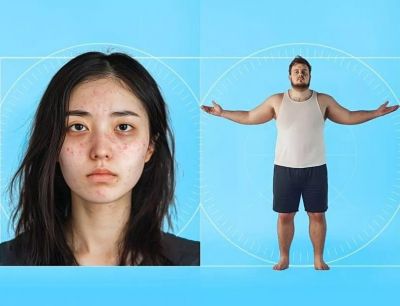 Artificial intelligence (AI) generated an image illustrating the effects of sleep deprivation on humans. [Image source: Provided by Simba (SIMBA)]
A research official explained, “When sleep is insufficient, cortisol levels, a stress hormone, rise, worsening inflammatory skin conditions and aggravating diseases like eczema and psoriasis, causing redness and itching. Reduced blood flow makes the skin look yellowish and lifeless. Natural glow and vitality disappear.”
According to the actual survey results, 26% of those who complained of sleep deprivation were overweight, and 32% reported experiencing abdominal bloating.
Twenty-four percent said their skin was sensitive, and 15% experienced onycholysis, where fingernails and toenails easily split and break. Others reported conditions such as eczema (16%), psoriasis (7%), and dull skin tone (10%).
According to the National Health Insurance Service, the number of patients with sleep disorders in South Korea increased by 28.5% over four years, from 855,000 in 2018 to 1,098,000 in 2022. During the same period, medical expenses rose 86%, from 152.6 billion won to 285.1 billion won.
Furthermore, an OECD survey found that as of 2021, the average daily sleep time for Koreans was 7 hours and 51 minutes, which is more than 30 minutes less than the OECD average of 8 hours and 27 minutes.
© The Asia Business Daily(www.asiae.co.kr). All rights reserved.

















