Foreign Substance Detection, Expired Dates, and False Advertising
Only 15 Percent of Reports Lead to Administrative Action
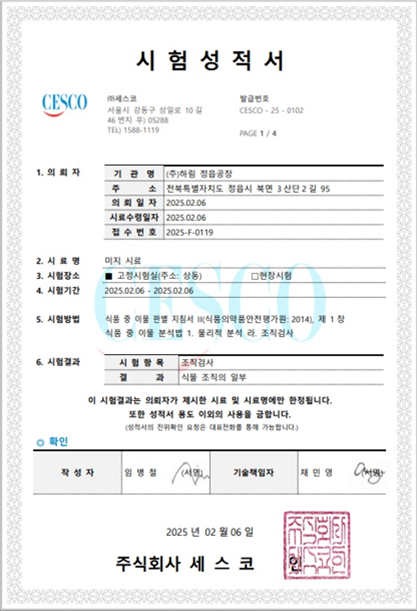
#. Last month, a photo of a foreign substance presumed to be body hair was posted on the social networking service X (formerly Twitter) in chicken breast produced by Harim, a poultry company, sparking controversy. The post, which claimed that "this is not the first time foreign substances have been found in Matdak Chicken Breast," was deleted after Harim first offered refunds and compensation (a gift certificate worth 50,000 KRW) and then released its own analysis results stating the substance was "part of a plant tissue." Both parties did not file a consumer report for defective or substandard food with the Ministry of Food and Drug Safety, citing that the foreign substance was not subject to reporting.
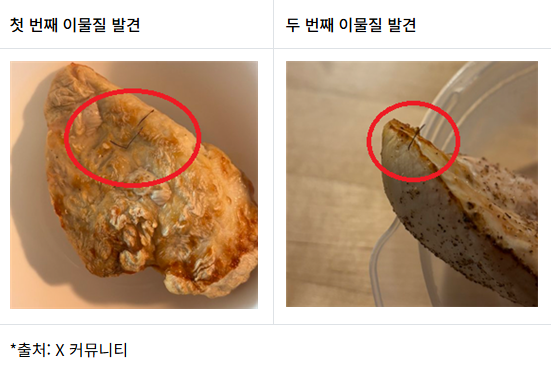
However, the consumer rights group Consumer Sovereignty Citizens' Meeting cited cases such as the large number of insects found in Harim brand raw chicken in November 2023 and the green foreign substance presumed to be a string from Yonggari Chicken in January last year, stating, "Harim has failed to properly guarantee consumers' hygiene and food safety due to repeated detection of foreign substances in food," and urged, "Harim must improve the food safety management system and quality control framework at its Iksan factory to prevent recurrence of foreign substances in food and ensure consumers' hygiene and safety."
#. Food company Sempio received a consumer report that a metal foreign substance presumed to be a 2 cm screw was found in its Chinese cuisine brand 'Chao Chai' product. Sempio dispatched an on-site inspection team to the production factory of the product to verify, but did not find clear evidence of foreign substances. Sempio stated that since the factory conducts foreign substance inspections using X-ray machines capable of detecting metals, the possibility of finding foreign substances is low. However, Sempio voluntarily reported the case to the Ministry of Food and Drug Safety.
Although the number of reports of defective and substandard foods has surged over the past five years, the proportion that leads to actual administrative action remains relatively low.
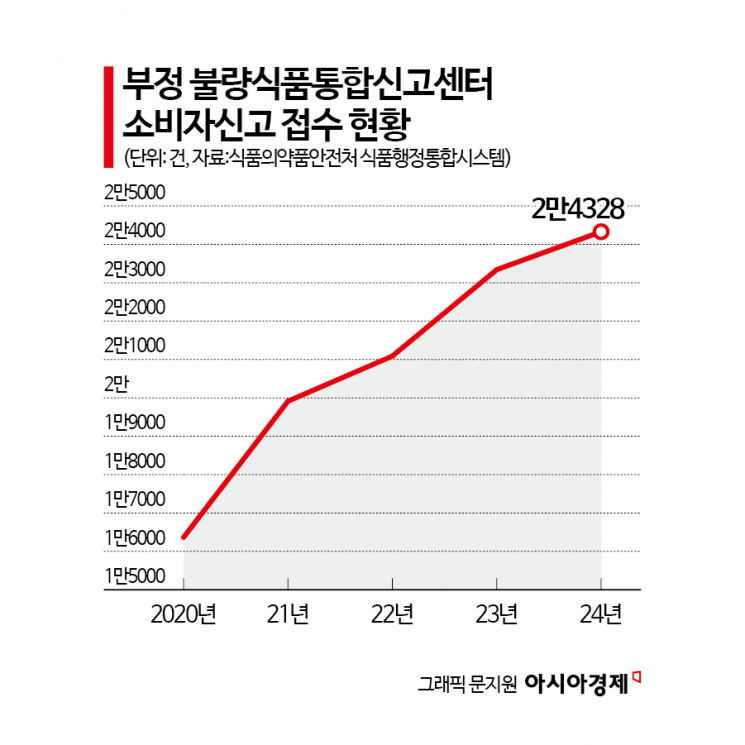
According to data received on the 18th by Kim Mi-ae, a member of the National Assembly’s Health and Welfare Committee from the People Power Party, from the Ministry of Food and Drug Safety, the number of reports of defective and substandard foods to the Integrated Defective Food Reporting Center increased by 49%, from 16,367 cases in 2020 to 24,328 cases last year. The main types of reports were other complaints such as restaurant hygiene issues (12,084 cases), accounting for more than half of the total. This was followed by foreign substance detection (3,735 cases), expired or altered expiration dates (2,416 cases), and unfair advertising (1,614 cases).
This upward trend indicates heightened consumer awareness of food safety. In particular, the increase in reports related to altered expiration dates and inappropriate advertising emphasizes the need for thorough management throughout the food distribution process.
However, including cases like Harim’s, where food companies respond to consumer reports with their own inspections without reporting to food authorities, it is estimated that the actual number of defective and substandard food cases is higher than reported.
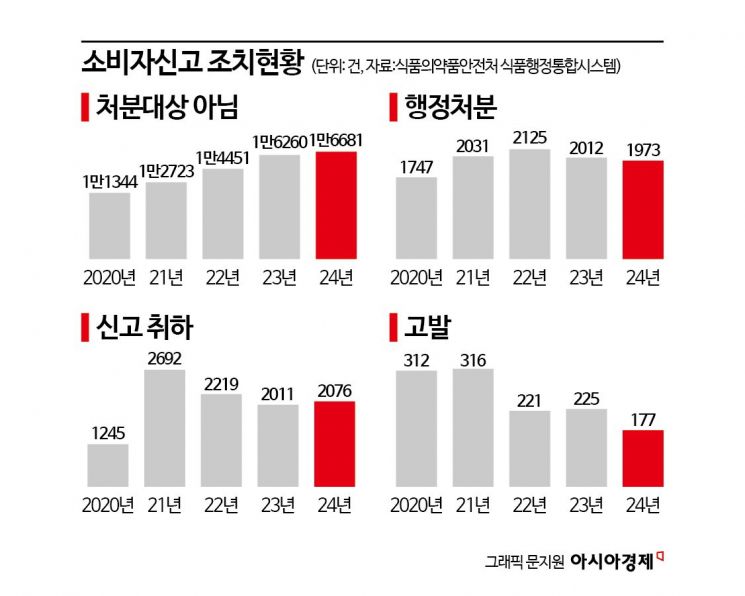
While consumer reports are increasing, cases leading to administrative action are less than 15%. Of the 24,328 reports filed last year, only 1,973 resulted in administrative action, 1,419 in fines, and 177 in criminal charges. The number of administrative actions decreased for the second consecutive year from 2,125 cases in 2022, and criminal charges dropped sharply from 316 cases in 2021.
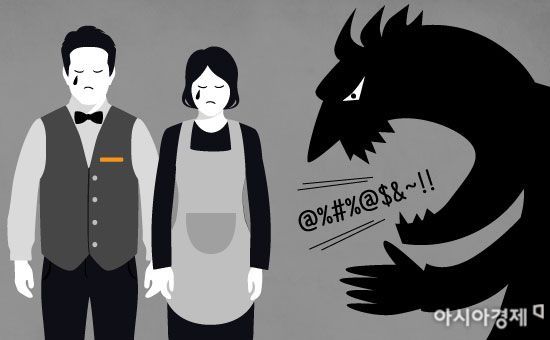
More than 2,000 reports were withdrawn by consumers, and 68.6% (16,681 cases) of reports were classified as not subject to action. However, it is not clear whether these were false reports by black consumers. Black consumers refer to those who maliciously file complaints or demand compensation by fabricating issues with purchased products. A Ministry of Food and Drug Safety official explained, "It is difficult to determine whether reports are false claims made to receive compensation," adding, "The relevant authorities thoroughly investigate the reports to ensure that small business owners are not unfairly treated."
Experts point out that as social interest in food safety rises, there is a need to establish a more reliable reporting system and institutional improvements to increase the rate of actual administrative actions.
Assemblywoman Kim said, "Although consumer reports on defective and substandard foods are increasing, administrative actions and criminal charges are decreasing, so a comprehensive review is needed to determine whether appropriate responses are being made," and added, "The Ministry of Food and Drug Safety should consider establishing a system capable of identifying whether reports are malicious false claims aimed at compensation."
© The Asia Business Daily(www.asiae.co.kr). All rights reserved.



















