71% of Local Companies Recognize Need for Business Structure Reorganization... Only 12.6% Actually Taking Action
Difficulties in Securing Funds and Sales Channels, Lack of Information and Technology Hinder Business Structure Reorganization
In the rapidly changing global business environment, including digital transformation and carbon neutrality, corporate business structure reorganization has emerged as a key topic. However, only a small number of local companies are actually implementing such reorganizations, indicating the need for decisive support measures to revitalize business structure reorganization.
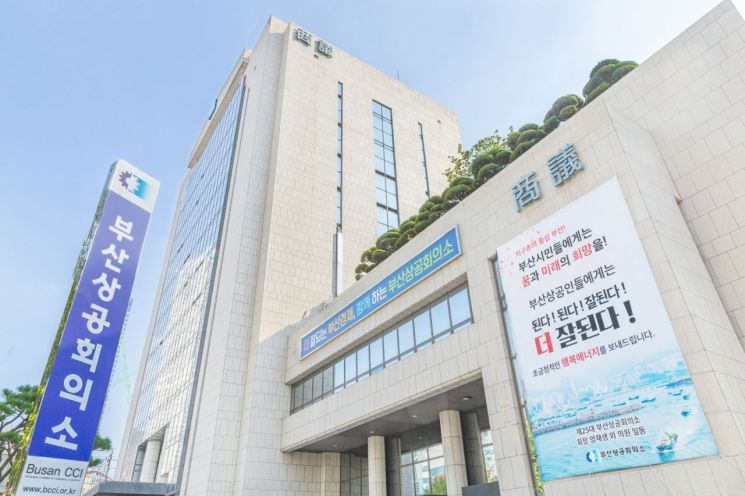
The Busan Chamber of Commerce and Industry (Chairman Yang Jaesaeng) announced this through the release of the "Survey Report on the Status of Business Structure Reorganization of Busan Companies," conducted on the top 300 companies by regional sales on the 12th.
According to the survey, 71% of respondent companies recognize the need for business structure reorganization to strengthen competitiveness, but only 12.6% are actually pursuing such reorganization. However, half of the companies are either planning or considering pursuing business structure reorganization in the future, suggesting that the number of companies undertaking reorganization will increase if conditions improve.
The main reasons for pursuing or considering business structure reorganization were the promotion of new businesses through technology development (29.8%), followed by weakening competitiveness in current industries (28.1%), creation of new revenue sources (23.2%), and entry of existing products/services into market decline phase (11.4%).
Regarding the types of business structure reorganization currently underway or under consideration, 88.1% involve maintaining existing industries while adding new industries and product lines. This is analyzed as an effort to minimize risks such as worsening financial conditions and sluggish sales resulting from business structure reorganization.
The biggest obstacles to pursuing business structure reorganization were identified as difficulties in financing (27.8%), followed by lack of new clients and sales channels (25.7%), labor supply difficulties (14.3%), lack of information and technology related to new businesses (14.3%), and difficulties in industry conversion due to industry restrictions within industrial complexes (8.2%).
Regarding support systems for business structure reorganization such as funding, tax benefits, and R&D support, 8 out of 10 companies were unaware of them. This low awareness is attributed to the small number of companies actually pursuing business transformation or reorganization, leading to a lack of interest in support systems.
As for support measures to revitalize business structure reorganization, since significant funds are required for entering new businesses and new product research and development, policy fund support (26.1%) received the highest response rate. This was followed by provision of information on new business fields (18.1%), R&D support (17.0%), loans and tax support (12.5%), and support for discovering clients (11.2%).
A representative from the Busan Chamber of Commerce and Industry’s research team stated, "For local manufacturers to increase added value and respond to the rapidly changing global business environment, including the Trump administration’s high-intensity tariff policies, business structure reorganization is urgent. To activate corporate business restructuring, bold policy fund injections and support for R&D capabilities are necessary."
© The Asia Business Daily(www.asiae.co.kr). All rights reserved.

















