Summers: "Highest Risk of Inflation Surge in Four Years"
Signs of Wage Increases and Labor Market Tightening
Williams, New York Fed President: "Inflation Is Slowing, but Reaching 2% Will Take Time"
Is it a slowdown or a rebound?
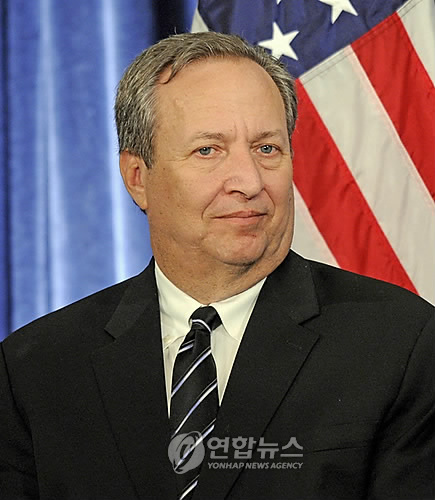
Amid growing uncertainty in the U.S. economy due to the tariff policies pushed by President Donald Trump, conflicting forecasts have emerged regarding inflation from the President of the Federal Reserve Bank of New York and a former U.S. Treasury Secretary. Former Treasury Secretary Lawrence Summers warned that prices could rise to the inflation levels seen in 2021 caused by policy mistakes, while John Williams, President of the New York Fed, signaled that inflation is steadily easing, aligning with Federal Reserve Chairman Jerome Powell's view.
On the 11th (local time), former Secretary Summers warned in an interview with Bloomberg TV that "this is the most likely time in four years for inflation to surge again after significant inflation caused by policy errors in 2021." This outlook directly contradicts Chairman Jerome Powell's assessment at a Senate hearing the same day that "inflation is easing."
Summers showed remarkable insight during the inflation phase that unfolded since the second half of 2021. At that time, he criticized the Fed's complacency, which claimed the price increases were temporary, stating, "The Fed's judgment was wrong." His warning became reality, and the Fed had to hurriedly raise interest rates.
His basis for expecting inflation to be stimulated is the contracted labor market and wage increases. According to the U.S. Department of Labor's Bureau of Labor Statistics, nonfarm payrolls in the U.S. increased by 143,000 in January, falling more than 30,000 short of market expectations. The average hourly wage of all private-sector employees, which can hint at inflationary pressures, was $35.87, up 0.5%. The year-over-year wage growth rate was recorded at 4.1%.
Summers diagnosed that although average wages rose significantly in January, the labor market is showing signs of tightening, and he believed that conditions for consumer prices to rise were already set before the policies announced by President Trump were implemented. He said, "It is before the policies coming out of the White House are implemented, but attention must be paid to inflation."
As many economists worry, there is speculation that President Trump's moves to deport illegal immigrants and strengthen border controls could trigger wage increases. As job supply slows and the labor supply of immigrants who have worked in relatively low-wage jobs contracts, someone has to fill those positions. Competition to attract workers could spur wage increases. Additionally, tariff hikes can temporarily push up consumer prices. These two factors are seen as potential causes of inflation.
He assessed that the likelihood of further interest rate cuts in the current cycle is low. Rather, he predicted that the Fed is more likely to raise rates than lower them. Summers forecasted, "At this point, the next Fed move is very likely to be a rate increase rather than a decrease."
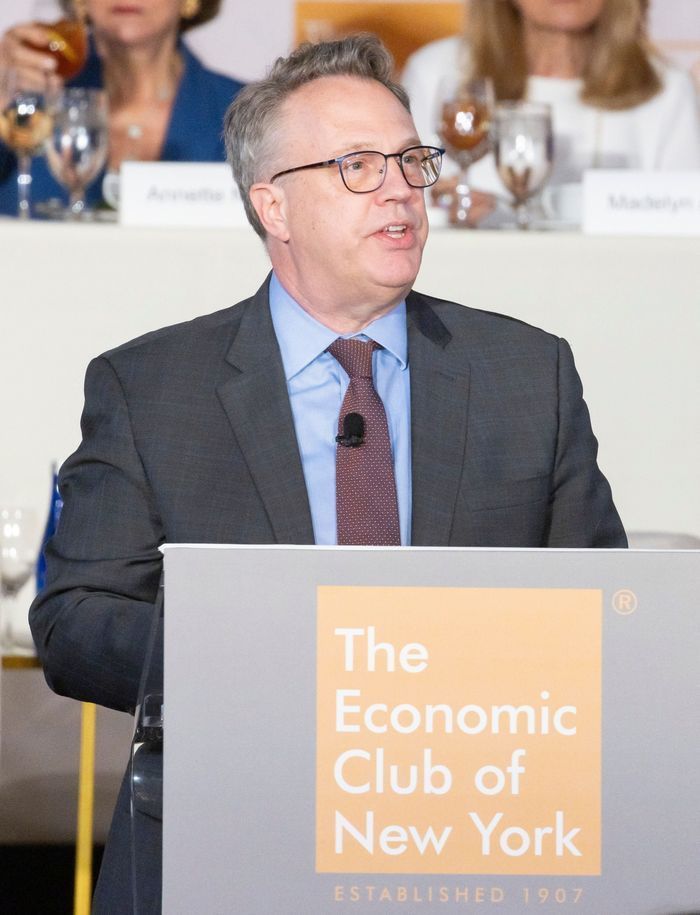
On the other hand, John Williams, President of the New York Fed, expressed a different view. Williams said that inflation will continue to slow toward the Fed's 2% target, aligning with Chairman Powell. At an event held at Pace University in New York on the 11th (local time), Williams said, "A moderately restrictive monetary policy stance, in a context of solid economic growth and labor market conditions, will help bring inflation back to 2%."
Williams mentioned that there are several signs that inflation is steadily easing, including slowing wage growth and stable inflation expectations, but added that it will "take time" to reach the 2% target.
However, he noted that the expected path of interest rates depends on upcoming economic data, suggesting that the monetary policy stance could change somewhat depending on how President Trump's tariff and immigration policies affect the economy. This implies that it is difficult to definitively determine the expected interest rate path due to economic uncertainties clouding the outlook. Williams said, "The important thing is that the economic outlook remains quite uncertain, especially regarding fiscal, trade, immigration, and regulatory policy uncertainties."
On the same day, Beth Hammack, President of the Cleveland Fed, also stated that it would be appropriate to maintain interest rates for a 'period of time' while waiting for evidence of inflation easing and analyzing the economic impact of the new administration's policies.
© The Asia Business Daily(www.asiae.co.kr). All rights reserved.


















