Average Monthly Nominal Food Expenditure Reached 894,000 KRW in Q3 Last Year... Up 6.5% Year-on-Year
Fresh Food Consumption Decreases, Shift Toward Processed Foods
Spending on Meat Processed Products, Frozen Foods, and Other Convenience Foods Increases
Amid ongoing economic recession and high inflation, it was revealed that the average monthly household expenditure on food, including dining out, nearly reached 900,000 KRW last year.
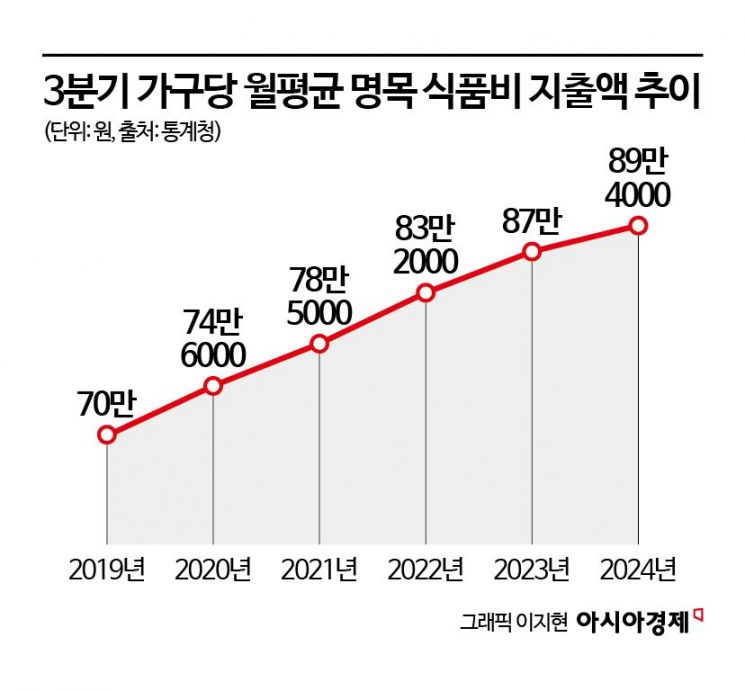
According to Statistics Korea on the 7th, the average nominal monthly food expenditure per household in the third quarter of last year was 894,000 KRW, a 6.5% increase compared to 870,000 KRW in the same period the previous year. Compared to the third quarter of 2019, five years ago, when it was 700,000 KRW, this represents a 24.0% increase, showing a continuous upward trend in average nominal monthly food expenditure per household.
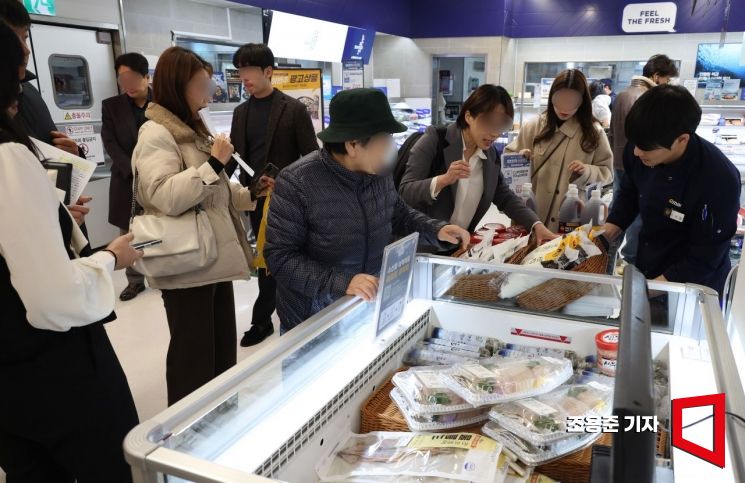
Looking at food types, the real expenditure on fresh foods in the third quarter of last year was 163,000 KRW, a 5.2% decrease compared to 172,000 KRW in the same period the previous year. The proportion of fresh foods in total food expenditure also dropped by 1.2 percentage points to 22.2% in the third quarter of last year compared to the previous year. This is a 6.4% decrease in expenditure and a 2.1 percentage point decline in proportion compared to the third quarter of 2019, before the COVID-19 pandemic. Fresh food expenditure increased during 2020-2021 when dining out decreased and home-cooked meal demand rose due to the pandemic, but has since declined to a level lower than before COVID-19.
On the other hand, expenditure on processed foods increased. The average real monthly expenditure on processed foods per household in the third quarter of last year was 211,000 KRW, up 0.7% from the same period the previous year, and 3.5% higher compared to 2019 before the pandemic. The share of processed foods in total food expenditure also rose by 0.2 percentage points to 28.6% in the third quarter of 2024 compared to 28.4% a year earlier. Processed food expenditure has steadily increased since the start of COVID-19, experienced some adjustments from the fourth quarter of 2021, and has been rising again year-over-year since the first quarter of last year. This is interpreted as a continuation of trends such as the expansion of convenience foods that increased due to the pandemic.
Examining the share of expenditure on 13 categories of processed foods within processed food spending, the proportions spent on grain processed products, meat processed products, other foods, and alcoholic beverages have increased compared to 2019, while the shares for seafood processed products, dairy products, fruit processed products, and vegetable processed products have decreased. Notably, the shares of grain processed products and meat processed products have rapidly increased recently, reflecting a continued preference for simplifying meal preparation processes, leading to sustained growth in spending on meat processed products, frozen foods, and other convenience foods. Additionally, spending on alcoholic beverages has increased, suggesting that the trend of drinking at home (home drinking) continues.
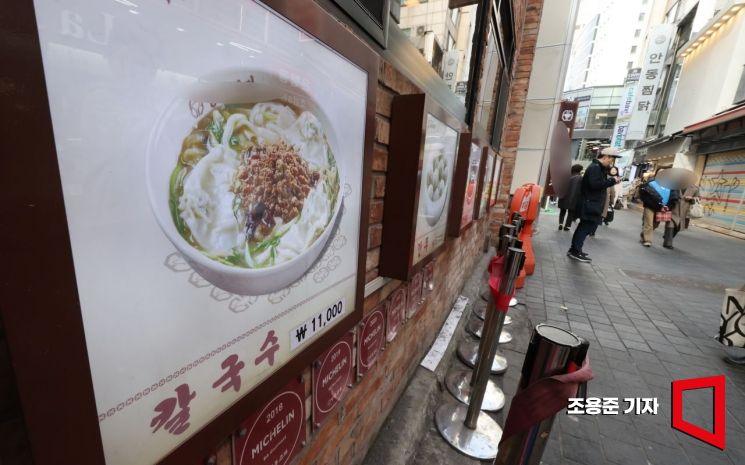
Furthermore, the average real monthly expenditure on dining out per household was 363,000 KRW in the third quarter of last year, a 2.3% increase compared to the same period the previous year. After a significant rise in dining out expenses following the 2022 endemic phase, the growth rate slowed somewhat but has since recovered. The scale of dining out expenditure in the third quarter of last year was 6.9% higher than in the third quarter of 2019, indicating a recovery from the impact of COVID-19.
Meanwhile, including the fourth quarter of last year, food consumption by households this year is expected to show a decrease in the proportion of fresh food expenses and an increase in the proportions of processed food and dining out expenses compared to pre-COVID-19 levels. Lee Gye-im, Senior Research Fellow at the Korea Rural Economic Institute, explained, "The shares of fresh food and processed food expenses increased during the early pandemic period of 2020-2021, then slightly adjusted downward in 2022-2023. The share of fresh food expenditure is expected to continue declining, while the share of processed food expenditure is projected to rise again. It appears to be a period of adjustment following an increase in dining out expenses that had decreased during the COVID-19 period."
© The Asia Business Daily(www.asiae.co.kr). All rights reserved.



















