Cultural Heritage Administration and Foundation for Cultural Heritage Abroad Release Statistics
Japan, United States, Germany, China, and United Kingdom Have the Most Korean Cultural Heritage Items
More than 240,000 of our cultural heritage items exported overseas have been confirmed.
According to the Cultural Heritage Administration and the Foundation for Cultural Heritage Abroad on the 4th, as of the 1st of last month, there are 116,961 cases of Korean cultural heritage scattered across various countries, amounting to a total of 247,718 items.
This result comes from an investigation of 801 museums and art galleries in 29 countries, including Japan and the United States, showing an increase of 1,414 items from the 246,304 items counted in January last year. However, since many cultural heritage items have unclear ownership information, the actual number is estimated to be higher.
By country, Japan had the largest number with 108,705 items, accounting for 43.9% of the total. This was followed by the United States (65,860 items, 26.6%), Germany (15,477 items, 6.2%), China (14,226 items, 5.7%), and the United Kingdom (12,778 items, 5.2%).
Korean cultural heritage has been dispersed worldwide through modern and contemporary history. While there are many illegal cases such as theft or looting, a significant number were exported through legitimate transactions, donations, gifts, and collections.
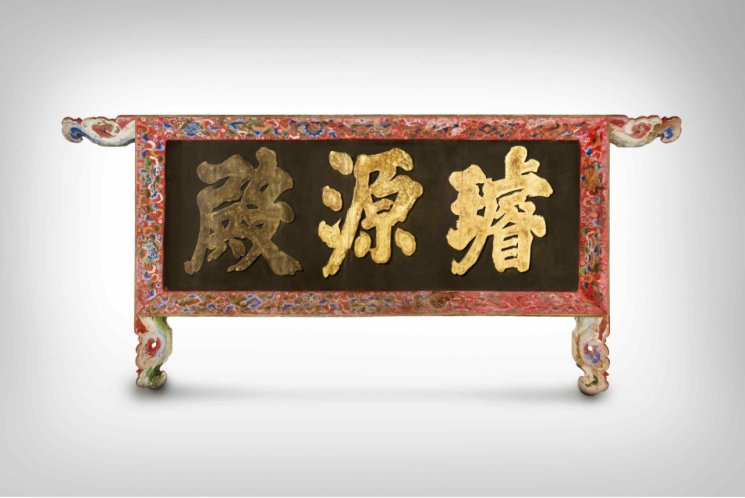
The Cultural Heritage Administration and the Foundation have been working to repatriate cultural heritage presumed to have been exported illegally or unjustly. Recently, they recovered a plaque presumed to have been at Seonwonjeon (璿源殿) in Gyeongbokgung Palace from Japan. A plaque is a framed piece on which paintings or writings are hung on paper or wooden boards.
The Cultural Heritage Administration plans to steadily expand its survey of cultural heritage abroad. In its recent announcement of major tasks for this year, it stated, "We will investigate the status of Korean cultural heritage held at the Field Museum of Natural History in Chicago, USA, and the National Diet Library in Japan."
Starting next year, eight more locations, including the Peabody Essex Museum in the United States and the University of Tsukuba Library in Japan, will also be surveyed. An official said, "Through the Foundation’s overseas branch offices, we plan to strengthen monitoring of illegal exports and promote investigative cooperation, establishing repatriation strategies tailored to each country’s characteristics."
© The Asia Business Daily(www.asiae.co.kr). All rights reserved.

















