Joint Installation and Operation of Genetically Modified Organism Research Facilities Now Permitted
The 'Daejeon Biomedical Regulatory Free Zone' demonstration project has been implemented, and regulations on genetically modified organism experiments are set to be further improved. The joint installation and operation of Biosafety Level 3 (BL3) research facilities are now permitted, and experiments by companies and institutions that have signed usage contracts can be conducted even without owning research facilities.
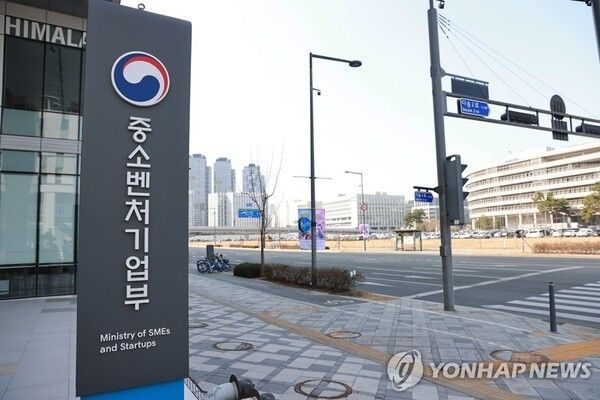
On the 2nd, the Ministry of SMEs and Startups announced that, through the Daejeon Biomedical Regulatory Free Zone project implemented together with the Korea Disease Control and Prevention Agency and Daejeon Metropolitan City, regulations on genetically modified organism experiments will be significantly improved.
Until now, companies developing vaccines and therapeutics related to infectious diseases needed facilities, equipment, and specialized personnel that met biosafety management standards to enter the clinical trial stage. In particular, if they did not possess a Biosafety Level 3 (BL3) facility, the development of vaccines and therapeutics using genetically modified organisms was restricted.
Accordingly, since July 2020, the Ministry of SMEs and Startups and the Korea Disease Control and Prevention Agency have established BL3 facilities necessary for research on high-risk pathogens and genetically modified organisms at Chungnam National University Hospital in Daejeon and have promoted the demonstration project. Through this, even when genetically modified organism research facilities are jointly installed and operated (Chungnam National University Hospital and Daejeon City), approval from the Korea Disease Control and Prevention Agency can be obtained. Furthermore, in the future, companies and institutions without BL3 research facilities can apply for approval for the development and experimentation of genetically modified organisms by signing usage contracts.
Owning a BL3 facility requires tens of billions of won in costs for facility construction and analytical equipment systems, but through usage contracts, it can be used for about 20 million won per month, so the Ministry of SMEs and Startups expects significant cost reduction effects.
Since its designation, the Daejeon Free Zone has attracted investments totaling 98.5 billion won, and new employment has increased by more than 60% (130 people as of the end of 2023). In particular, Jin System, a company participating in the demonstration project, utilized shared research facilities to verify the development of tuberculosis diagnostic devices and recently signed a supply contract worth 29.5 billion won over three years with India for production facilities, diagnostic equipment, and diagnostic kits.
Lee Gui-hyun, head of the Free Zone Innovation Planning Division at the Ministry of SMEs and Startups, said, "By enabling cost reduction of research facilities necessary for nationally managed testing and research and efficient resource utilization, related regulations have been timely improved, creating an environment where research to respond to global infectious disease threats can be actively conducted." He added, "The Ministry of SMEs and Startups will continue to support the demonstration and commercialization of innovative projects blocked by regulations through the Free Zone to establish a foundation for regional growth."
© The Asia Business Daily(www.asiae.co.kr). All rights reserved.

















