Samsung SDI recorded an operating loss in the fourth quarter of last year despite achieving the highest sales in batteries for energy storage systems (ESS), marking a return to the red. This was due to market stagnation caused by the electric vehicle chasm (temporary demand stagnation) and a slowdown in demand for batteries used in power tools.
Samsung SDI announced on the 24th that it posted sales of 3.7545 trillion KRW and an operating loss of 256.7 billion KRW in the fourth quarter of last year. Sales decreased by 28.8% compared to the same period last year, and operating profit turned negative. On an annual basis, sales were 16.5922 trillion KRW and operating profit was 363.3 billion KRW, down 22.6% and 76.5% respectively from the previous year.
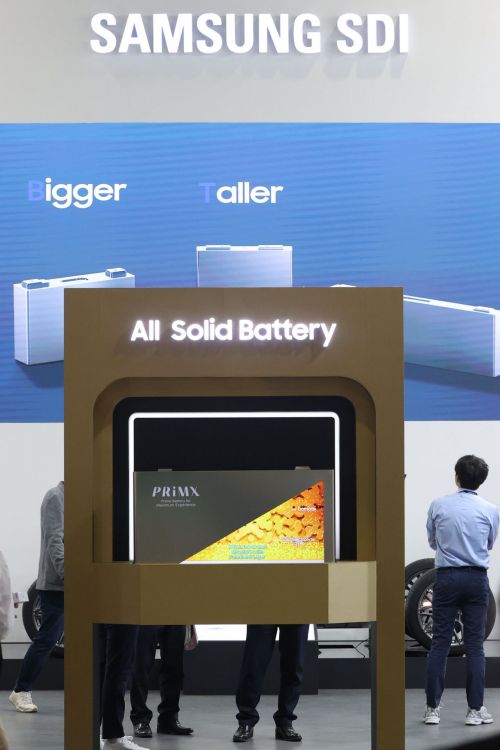
ESS Sales Strong... Operating Loss Due to Chasm Impact
In the fourth quarter of last year, battery division sales amounted to 3.5645 trillion KRW, down 28.7% year-on-year. The operating loss was 268.3 billion KRW. Sales of batteries for electric vehicles and power tools declined due to inventory adjustments by major customers amid slowing demand growth.
Sales in the electronic materials division were 190 billion KRW, down 31.0% year-on-year and 27.9% quarter-on-quarter. Operating profit was recorded at 11.6 billion KRW. Semiconductor process materials saw slight growth due to increased wafer input for memory semiconductors, but sales of display process materials decreased due to seasonal demand contraction.
While other divisions showed sluggish sales, batteries for ESS recorded the highest quarterly sales. This was driven by increased sales of power ESS and uninterruptible power supply (UPS) units due to rising power demand at data centers amid strong AI growth in the Americas.
Tightening Cash Flow... No Cash Dividends for Three Years
Amid growing market uncertainty, Samsung SDI plans to focus resources on strengthening growth engines over the next three years. It announced on the same day that it will not pay cash dividends for three years until 2027, anticipating continued deficits in free cash flow, which is the source of dividend payments.
Although the global electric vehicle battery market is expected to grow about 21% year-on-year this year, mainly in the US and Europe, Samsung SDI considered ongoing macroeconomic uncertainties. The ESS battery market is forecasted to grow about 14%, centered in North America, due to increased demand for power ESS and UPS driven by the AI industry.
Additionally, the small battery market is expected to grow with the electric two-wheeler market centered in India, while demand recovery for power tools is expected to be delayed due to continued inventory adjustments by customers. The electronic materials division anticipates stable growth in semiconductor materials due to expanding demand for high-value AI products.
Samsung SDI stated, "This year, we will build a foundation for sustainable growth through core strategies of strengthening technological competitiveness and improving business structure," adding, "Despite ongoing internal and external uncertainties, we will create a turning point for performance recovery in the first half of the year through differentiated technology and operational efficiency."
© The Asia Business Daily(www.asiae.co.kr). All rights reserved.
![Clutching a Stolen Dior Bag, Saying "I Hate Being Poor but Real"... The Grotesque Con of a "Human Knockoff" [Slate]](https://cwcontent.asiae.co.kr/asiaresize/183/2026021902243444107_1771435474.jpg)
















