Nine hundred experts worldwide identified climate as the most dangerous factor in 10 years. This is because natural disasters that occur frequently and intensely could cause more damage than wars or global economic recessions. Although calls to address rapid global warming are growing, experts have expressed a pessimistic outlook that the climate crisis will become more severe in the future.
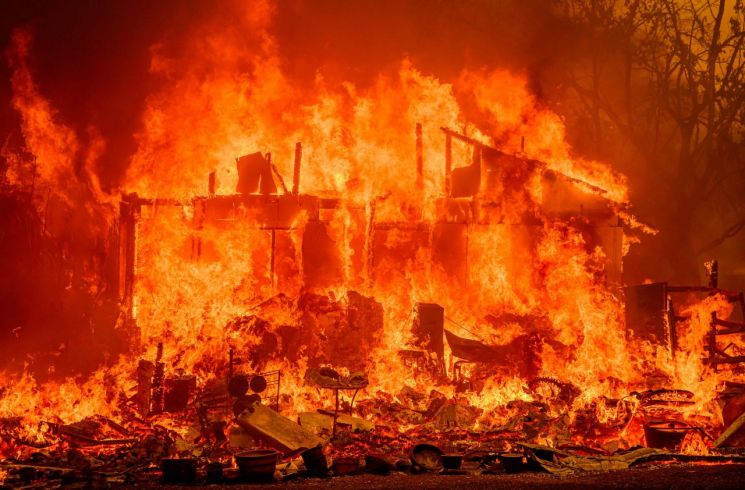
According to the ‘Global Risks Report 2025’ recently released by the World Economic Forum (WEF, Davos Forum) on the 21st, ‘extreme weather events’ were selected as the deadliest risk in 10 years. Extreme weather events refer to human casualties, ecosystem damage, property destruction, and various financial losses caused by wildfires, floods, heatwaves, and more. When the report began in 2006, it was outside the ranking, but as awareness of the climate crisis gradually increased, it was chosen as the top risk for two consecutive years, including last year.
The Global Risks Report has been published annually since 2006 ahead of the Davos Forum event. This report involved 900 experts from global businesses, governments, international organizations, academia, and civil society. A total of 33 risk factors are ranked in order of deadliness for the short term (2 years) and long term (10 years).
WEF explained, “The ranking of extreme weather events tends to rise as the intensity and frequency of (natural disasters) worsen,” adding, “The costs caused by extreme weather events have increased by nearly 77% over the past 50 years.” Furthermore, it elaborated, “The impacts of extreme weather events due to climate change are occurring worldwide and are hitting poor regions the hardest.”
Most other environmental risks were also ranked within the top 10. ‘Biodiversity loss’ rose one notch from 3rd place last year to 2nd this year. Concern about biodiversity loss was only 21st two years ago. Deadly changes to the Earth’s ecosystems ranked 3rd, natural resource shortages 4th, and pollution was ranked 10th.
Experts forecast that the climate crisis will worsen rather than improve in the future. Only 5% believed that various risks could cause a global catastrophe in the short term, but 17% thought it possible in 10 years. The view that the risk of upheaval and global disasters will increase also rose from 31% in the short term to 45% in the long term.
WEF previously warned that economic damage caused by climate change could reach hundreds of billions of dollars. Last month, WEF predicted that if global companies do not prepare climate change measures, average profits would decrease by about 7% by 2035. In particular, telecommunications, power grids, and power generation companies vulnerable to disasters face annual fixed losses of $610 billion, and steel and cement companies that fail to achieve decarbonization could see profits drop by up to 50%, according to the analysis.
Meanwhile, from the 20th (local time), the WEF Annual Meeting is underway in Davos, Switzerland. About 2,500 political, business, and academic figures from various countries are expected to discuss the climate crisis and solutions.
© The Asia Business Daily(www.asiae.co.kr). All rights reserved.
![Clutching a Stolen Dior Bag, Saying "I Hate Being Poor but Real"... The Grotesque Con of a "Human Knockoff" [Slate]](https://cwcontent.asiae.co.kr/asiaresize/183/2026021902243444107_1771435474.jpg)
















