UK 10-Year Bond Yield at 4.821%... Highest Since 2008
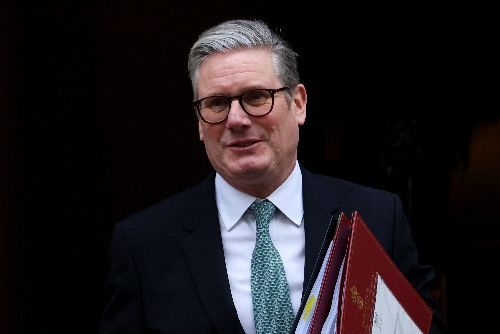
In the UK, there is a simultaneous sell-off of government bonds and the pound sterling. This is the result of a combination of economic weakness factors, including the threat of high tariffs from US President-elect Donald Trump, stagflation (economic stagnation accompanied by rising prices), and high government borrowing demand.
On the 8th (local time) in the London market, the yield on the UK 10-year government bond surged to 4.821% at one point, marking the highest level since August 2008. The 30-year bond yield reached 5.38%, the highest since 1998. This indicates that investors rushed to sell UK government bonds.
UK government bond yields have been rising since September last year. In October, inflation returned to an expansionary trend, sharply reducing expectations for a rate cut by the Bank of England (BOE), the UK's central bank. Additionally, the Labour Party government under Keir Starmer revealed the largest tax increase in 30 years in its first budget after the general election, spreading concerns that the UK economy, already in low growth, would enter a deeper recession. The external variable of US President-elect Donald Trump potentially imposing universal tariffs after taking office was added to the mix.
Since the beginning of this year, the increase has been particularly large compared to other major countries. As a result, the government, under fiscal pressure, is facing deeper concerns. As of October last year, the UK government debt stood at ?2.7915 trillion, equivalent to 97.6% of GDP. This is significantly larger than the EU's recommended government debt-to-GDP ratio of 60%.
Sanjay Raja, Chief Economist for the UK at Deutsche Bank, estimated that if this rise in government bond yields continues, the UK's annual debt interest costs could increase by about ?10 billion. He added, "The government may impose more taxes to cover the newly arising fiscal deficits."
This is expected to pose a considerable dilemma for the Labour government, which faces the challenge of increasing public investment amid stagnant economic growth. According to the UK Office for National Statistics, the UK's GDP growth rate in the third quarter of last year was 0% compared to the previous quarter. Deutsche Bank research predicts the UK's GDP growth rate for the fourth quarter of last year to be between -0.1% and 0.1%, raising the possibility of a recession.
Meanwhile, the pound sterling fell 1.1% against the US dollar to $1.234, the lowest level since April last year. The FTSE 250 index closed down 1.96% at 19,952.24.
Regarding the UK’s economic situation, Andrew Pease, Chief Investment Strategist at Russell Investments, emphasized that "the difficulties are increasing due to the toxic combination of economic recession, sticky inflation, and worsening fiscal outlook."
© The Asia Business Daily(www.asiae.co.kr). All rights reserved.

















