Development of Various Recipes Using Blue Crab
Challenges Due to Overseas Export and Freight Costs
The blue crab, which causes enormous damage to Italian fisheries, is likely to be eliminated by local residents 'eating' it. It has been reported that new recipes using blue crab as an ingredient are actively being developed in Italy.
On the 25th (local time), the British daily newspaper The Telegraph reported that Chef Daniele Cennaro from Venice, a port city in northeastern Italy, has developed a new menu using blue crab.
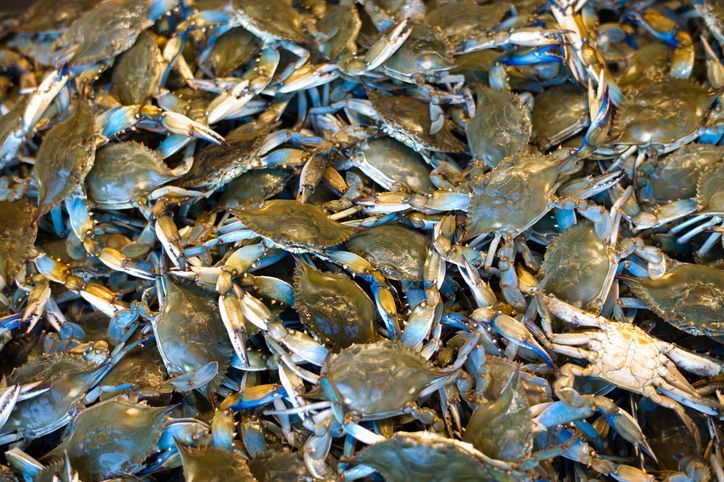 The blue crab, which causes massive damage to the Italian fishing industry, is likely to be eliminated by local residents through consumption. Photo by Getty Images
This menu involves grinding the crab meat and frying it into the shape of a fish, then placing it on a potato pur?e infused with seaweed broth, served with fish roe and fried seaweed. Chef Cennaro explained, "People may find it difficult to readily accept the invasive blue crab, so I tried to make it in a more familiar fish shape."
When the blue crab first appeared in Italian fishing grounds, its taste was said to be bland and lacking in flavor. However, it has now adapted to the unique ecological environment of the Adriatic Sea, increasing its value as an ingredient.
The media reported that Chef Cennaro and other top Italian chefs are developing blue crab recipes. One chef told the media, "There has been a blue crab boom in restaurants for the past year," adding, "Now people even buy blue crabs directly from fishermen and cook them at home."
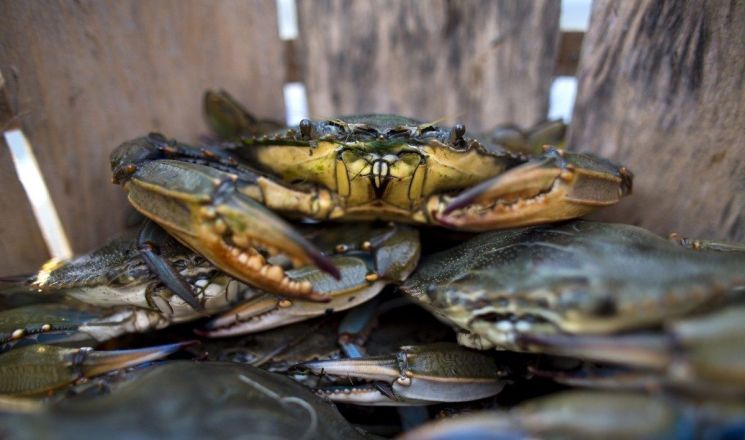
The blue crab is not originally a species native to the Mediterranean, but its recent massive appearance in Italian coastal fishing grounds has caused significant damage to fishermen. Traditionally, Italy does not handle crab dishes but considers clam-based dishes like vongole as gourmet meals. However, as the population of blue crabs, which primarily feed on clams, has increased, clam fisheries have also come under threat.
There was once a suggestion to catch blue crabs in Italy and import them domestically, but the volume of blue crabs imported into the Korean market is reportedly minimal. This is due to the long distance between Italy and Korea, which causes shipping and processing costs to skyrocket.
The Italian government previously appointed an emergency response committee chair for the blue crab issue and decided to allocate a budget of 10 million euros (approximately 15 billion KRW) to address the problem. Currently, Italian scientists are exploring various measures, such as using ultrasonic devices to repel blue crabs or laying synthetic resin sheets on the seabed to prevent blue crabs from burrowing into the mud.
© The Asia Business Daily(www.asiae.co.kr). All rights reserved.


















