Rising Overseas Demand for Snacks and Bread Amid K-Culture Popularity
SPC Samlip Yakgwa Enters 200 Costco Stores in the US
Diversification of Export Items Including Hobbang, Ppeongtwigi, Bungeoppang, and Yakgwa
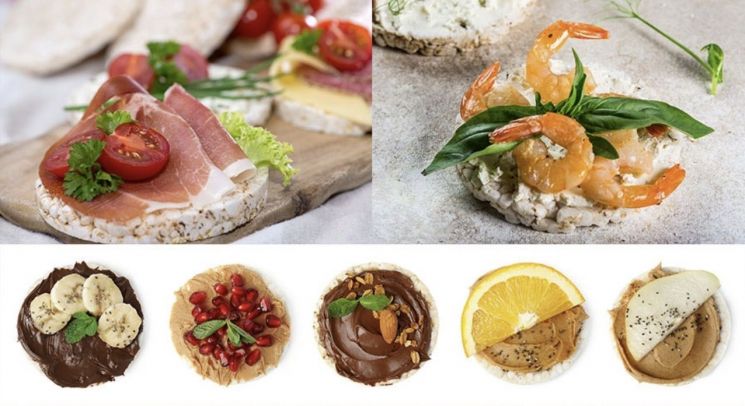
There is a K-snack that has become a huge hit overseas. It is Ppeongtwigi, a puffed rice snack made by putting rice or corn into a machine and applying pressure and heat to puff it up. While eating Ppeongtwigi plain is common in Korea, it is used in various recipes abroad. As it has established an image as a healthy snack based on grains, it is often eaten with jam or sauce spread on it, or topped with seafood, fruit, and other toppings. Recipes using Ppeongtwigi are also being shared on social networking services (SNS).
This year, K-bakery achieved its highest export value ever. The variety is also increasing, from steamed buns (Hoppang) to Yakgwa and Ppeongtwigi. With the continuous rise in interest in K-food fueled by the popularity of K-culture, snacks and bread produced in Korea are reaching consumers far beyond its borders.
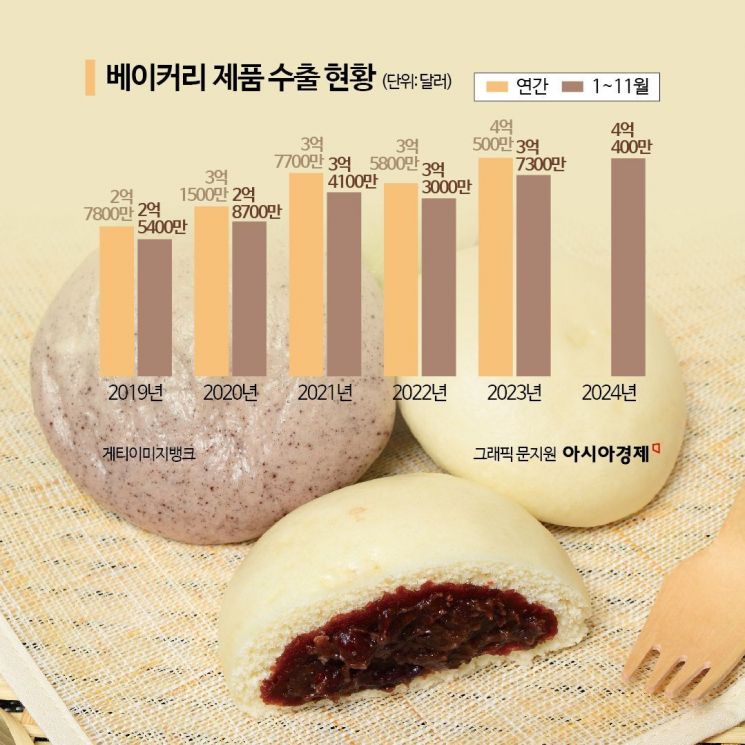
According to the Korea Customs Service on the 26th, bakery exports from January to November this year reached $404 million (about 587.1 billion KRW), marking a record high. This is an 8.3% increase compared to the same period last year. Exports, which slightly declined in 2022 due to the grain crisis caused by the Russia-Ukraine war, surpassed $400 million for the first time last year and are setting new records again this year.
Looking at the export share by country, the United States ranked first for two consecutive years with 33.5%. China (11.3%) and Japan (9.5%) followed. Exports reached 120 countries, with 40 of them recording their highest export values during the same period.
The bakery category includes snacks (72.5%), bread (15.1%), and ingredients (12.4%). Snacks account for the largest share, but products such as pies and cakes, which are types of bread, have seen rapid export growth. Bread exports increased by 18.9% compared to the same period last year.
The global popularity of Korean dramas, movies, and K-pop has led to increased interest in K-food, resulting in growth in bakery exports beyond ramen and dumplings. A Korea Customs Service official explained, "With the enhanced status and recognition of Korean culture and food, steady product development and localization efforts have enabled bakery exports to achieve record-high export values."
The types of popular bakery products are also diversifying. In particular, Korean-style products such as street snacks like Bungeoppang and Hoppang, as well as Yakgwa, which is at the center of the 'Halmaennial' (Halmae + Millennial) trend, are contributing to exports.
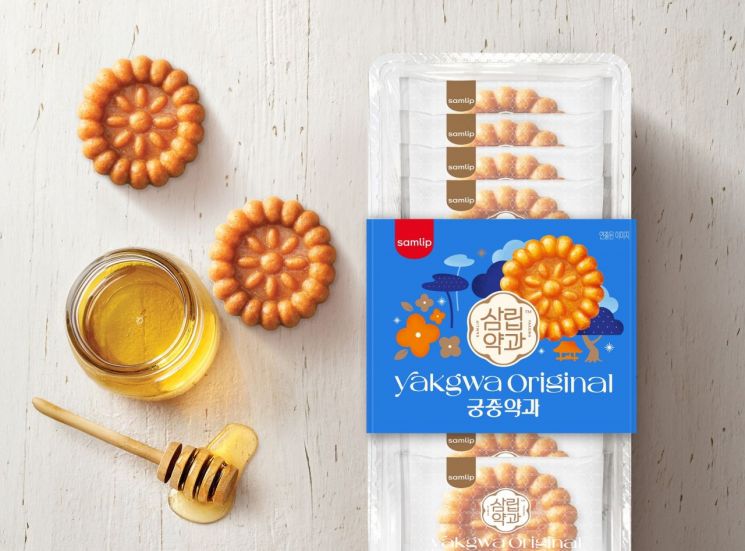
In fact, SPC Samlip, a key player in bakery exports, placed Samlip Yakgwa in more than 200 Costco stores in the United States last October. In the past, Samlip Yakgwa was mainly sold in Asian markets in the U.S. such as ‘H Mart’ and ‘Hannam Chain,’ but now it has entered mainstream markets like Costco, where local customers are the primary consumers. Samlip shipped an initial volume of 100 tons for U.S. exports and plans to load an additional 50 tons onto ships within this year. This quantity amounts to about 5 million pieces, making it the largest volume of Yakgwa exports in Samlip’s history.
Additionally, Samlip continues to expand exports of its representative bakery products such as Samlip Hoppang, steamed cakes, and fresh cream bread. In the U.S., Hoppang is sold as a package with a mini steamer called 'Hojjimi,' and it has successfully received positive responses locally. U.S. sales of Hoppang are estimated to grow by more than 30% compared to last year.
An SPC official said, "Overseas consumers who have experienced K-culture tend to seek out K-desserts with the most Korean characteristics, such as Yakgwa and Hoppang," adding, "Samlip plans to accelerate global business expansion and secure sustainable growth engines going forward."
© The Asia Business Daily(www.asiae.co.kr). All rights reserved.
![Clutching a Stolen Dior Bag, Saying "I Hate Being Poor but Real"... The Grotesque Con of a "Human Knockoff" [Slate]](https://cwcontent.asiae.co.kr/asiaresize/183/2026021902243444107_1771435474.jpg)













