Decision to Take Company Private After Over 50 Years of Listing
Founding Family and Mexican Retailer Split Shares
Paying $24.25 Per Share, Considering Special Dividends in Future
Nordstrom, one of the largest department store chains in the United States, is going private after more than 50 years listed on the New York Stock Exchange. This move is interpreted as a decision to escape short-term investor pressure and regulations amid management difficulties in the department store industry caused by inflation and changing consumer trends.
On the 23rd (local time), Nordstrom announced that the founding family, the 'Nordstrom family,' and Mexico's major retailer 'El Puerto de Liverpool' will acquire the company's outstanding shares for $6.25 billion (approximately 9 trillion KRW) and convert it into a private company. The deal is expected to be completed in the first half of next year.
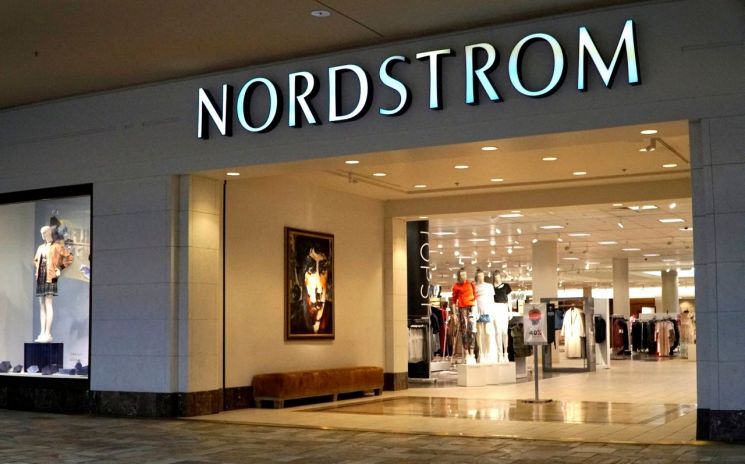
Once the deal is finalized, the Nordstrom family will own 50.1% of the company’s shares, and Liverpool will hold 49.9%. Existing shareholders holding Nordstrom common stock will receive $24.25 in cash per share. Although this is slightly higher than the closing price on the New York Stock Exchange that day ($24.17), the company explained that it is about 42% higher than the price on the day the privatization news was first reported in March. The company added that it plans to pay a special dividend of up to 25 cents per share once the transaction is completed.
Nordstrom has repeatedly explored stock buyouts for privatization amid slowing sales and falling stock prices. Nordstrom's annual sales peaked at $15.9 billion in fiscal year 2018, but net income plummeted 76% from 2018 to 2023 following the pandemic. The stock price has also dropped nearly 70% since 2015.
Neil Saunders, Managing Director of Retail at GlobalData, told Yahoo Finance, "Changing ownership of a department store does not automatically solve all operational problems, but with the family and backers having a long-term perspective on the business, they can escape the short-term scrutiny of the public market and pursue necessary investments and changes. I think this is very positive for the long-term health of the brand."
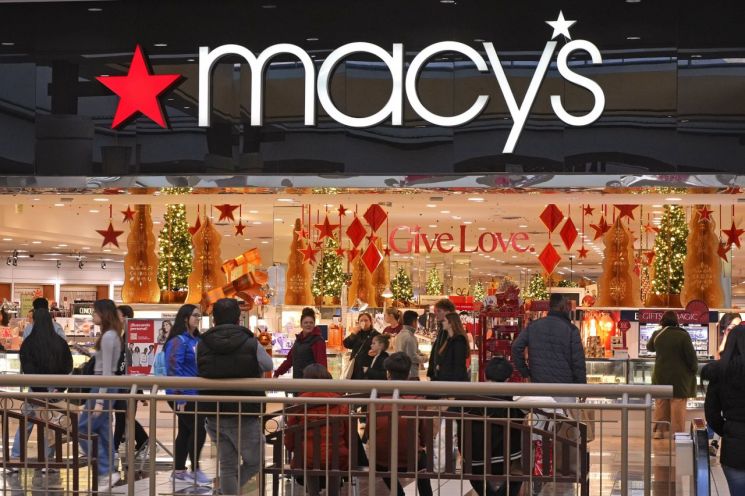
Nordstrom is not the only one struggling with management difficulties due to declining sales and stock prices. The rise of e-commerce giants like Amazon and domestic demand contraction caused by inflation have made it difficult for the U.S. department store industry to secure a strong position in the retail sector. Nordstrom’s competitor Macy’s plans to close 150 stores this year, and luxury department stores Saks Fifth Avenue and Neiman Marcus Group, which have maintained a "100-year rivalry," recently merged as part of their survival strategy.
Brook Roche, Vice President at Goldman Sachs, analyzed, "One of the things observed in the retail industry over the past few quarters is the accelerating market bifurcation between market share beneficiaries like large discount stores and certain brands with novelty and innovation that compare favorably with them. This is making department stores overall more challenged."
© The Asia Business Daily(www.asiae.co.kr). All rights reserved.


















