Comprehensive Welfare Policies by Life Cycle Part 1... Pregnancy, Childbirth, and Children Edition
Ulsan City will continue to take responsibility for the happiness of its citizens next year by implementing detailed welfare policies tailored to each life cycle stage.
To this end, it has allocated 1.7868 trillion won, accounting for 34.64% of the general accounting budget of 5.1578 trillion won, as the welfare budget.
Ulsan City's welfare policies for next year are divided into six parts: ▲Pregnancy and childbirth to childhood ▲Youth to young and middle-aged adults ▲Elderly ▲Disabled ▲Women, families, and foreigners ▲Elimination of welfare blind spots.
The city first announced the first part, covering pregnancy, childbirth, and childhood, on the 22nd.
Ulsan City has set a childcare support budget of approximately 420 billion won in the childbirth and parenting sector to overcome the low birthrate crisis next year, and is focusing administrative efforts on establishing an integrated care system for childbirth and child-rearing to realize a happy Ulsan for parents and children.
To reduce the economic burden on infertile couples and increase the birthrate, Ulsan City will expand support for infertility treatment costs (from 25 treatments per couple to 25 treatments per childbirth (child)). Additionally, a policy will be implemented to refund part of the out-of-pocket expenses for home care services that support mothers and newborns in childbirth families.
For users of home care services, the city will refund the amount excluding 10% of the out-of-pocket payment made to the service provider, with a maximum refund of 200,000 won for the first child, 300,000 won for the second child, and 400,000 won for the third child or more.
When pregnant women or companions of infants (0-12 months) use voucher taxis for hospital visits, an average of 7,500 won per trip will be supported through the voucher taxi support project. Benefits of up to 360,000 won annually are provided for up to four trips per month.
Also, a project to pay a care allowance (300,000 won per month) to (grand)parents caring for 2-year-old infants will be implemented. Since this is the early stage of the project, it will be applied only to families with children under home care whose income is below 150% of the median income.
In the case of the child care service project, the support criteria will be expanded from 150% to 200% of the median income, reducing the economic burden on families using the child care service.
Support for necessary expenses borne by parents, which can amount to up to 138,000 won per month when attending daycare centers, will be expanded from children aged 4-5 to those aged 3-5.
The multi-child family happiness rental car support project, which helps facilitate mobility for families with multiple children, will also be expanded (from 150 families to 200 families), increasing the number of families who can benefit.
The city plans to create a leading model for educational special zones for child care.
In July this year, Ulsan City opened the 'Ulsan City Child Care Center,' the first in a metropolitan city to operate 24 hours a day, 365 days a year, establishing an emergency care system unique to Ulsan.
Children aged 0 to 12 can use the facility anytime, making it a place where parents feel most secure and confident to entrust their children.
Ulsan City will analyze facility usage and consider expanding installations by district and county.
Additionally, the city plans to establish the 'Neighbor Love Care Project,' which provides 300,000 won per month when 3-4 families with infants and elementary school children conduct self-help group care, and the 'Always Nearby Care Project,' which dispatches care personnel to shared spaces in village libraries and apartment complexes, as leading models for educational special zones.
Furthermore, a community-centered elementary care model utilizing 57 local children's centers and 31 Together Care Centers will be revitalized.
The meal support unit price for low-income children at risk of malnutrition will be increased from 9,000 won to 9,500 won to improve meal quality.
The target for the Child Development Support Account, which was provided to children in childcare facilities or households receiving basic living subsidies, will be expanded to include near-poverty households to support children's independence. If the child (or guardian) deposits a certain amount monthly into the account, the government will match twice the deposited amount (up to 100,000 won per month), potentially creating an economic independence foundation worth approximately 32 million won by the time the child turns 18.
Universal care accessible to everyone will also be strengthened.
Childbirth support projects such as the First Meeting Use Voucher (2 million won for the first child, 3 million won for the second and subsequent children), postpartum care support for childbirth families (500,000 won), maternal and newborn health management costs (approximately 950,000 won on average), district and county childbirth support funds (approximately 700,000 won on average), child allowance (100,000 won per month), home care allowance (100,000 won per month for those not using daycare centers), and age-differentiated daycare fee support will be carried out without disruption.
To this end, the city will organically cooperate with eup, myeon, dong (township and neighborhood), districts, counties, and various related organizations, establishing a detailed network to ensure that no eligible recipients miss out on support due to lack of awareness, and will regularly conduct project guidance and publicity.
An official from Ulsan City stated, “We will comprehensively review the care system from pregnancy through childbirth, parenting, and elementary care to establish Ulsan as the best city for raising children.”
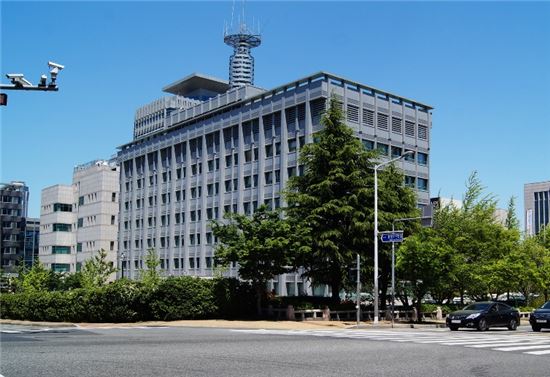 Ulsan City Hall.
© The Asia Business Daily(www.asiae.co.kr). All rights reserved.
















