Among 28 Cases, 24 Neungi Mushrooms Sold Completely Anonymously
It has been 13 years since the Fukushima Daiichi Nuclear Power Plant accident caused by the 2011 Great East Japan Earthquake, but radioactive contamination in wild mushrooms harvested in the Tohoku region remains confirmed.
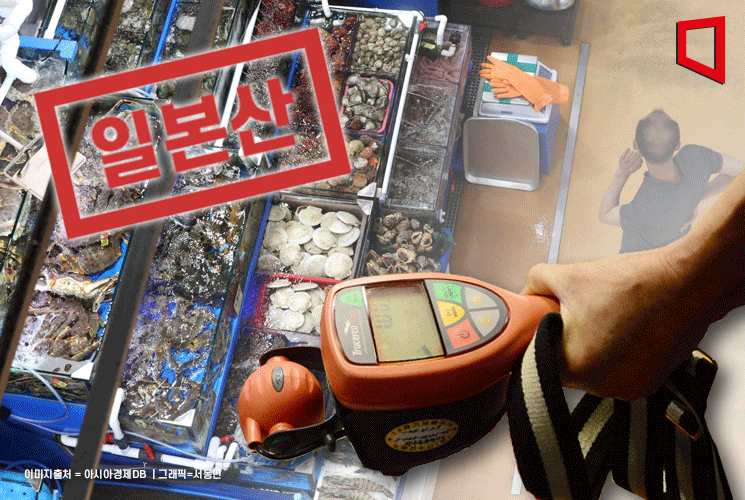
On the 22nd, the Tokyo Shimbun reported that a local civic group investigated 100 samples of wild mushrooms from Iwate and Fukushima prefectures in the Tohoku region, purchased since last September through online marketplace Mercari and others, and found that 28 samples (28%) exceeded the cesium safety standard.
In Japan, the safety standard for radioactive cesium content in food is 100 becquerels (Bq) per kilogram. However, dried wild matsutake mushrooms from Iwate Prefecture showed contamination levels exceeding 20 times the standard, with 2001 Bq/kg detected, marking the highest contamination. Some areas in Iwate Prefecture still prohibit the shipment of wild mushrooms. Among the 28 cases exceeding the standard, 24 were matsutake mushrooms, all sold anonymously.
The Japanese Ministry of Health, Labour and Welfare inspects radioactive substances in agricultural, forestry, fishery products, and beverages, publishing the results on its website. However, as of the end of November this year, out of approximately 34,000 inspections nationwide, 110 cases (0.3%) exceeded the standard. The Tokyo Shimbun pointed out, "Although the government conducts surprise inspections on foods sold on internet sites where anonymous sales are possible, limitations have become apparent."
Meanwhile, at the Fukushima Daiichi Nuclear Power Plant, on March 11, 2011, during the Great East Japan Earthquake, a tsunami up to 20 meters high struck, causing core meltdowns and hydrogen explosions, resulting in massive radioactive material leakage. Among the radioactive substances, cesium has a half-life of 30 years and is being transferred and concentrated from soil to plants.
South Korea has completely banned imports of all fishery products from eight surrounding prefectures including Fukushima, and also prohibits imports of 27 agricultural products from 14 prefectures, including rice and mushrooms from Fukushima Prefecture.
© The Asia Business Daily(www.asiae.co.kr). All rights reserved.
![Clutching a Stolen Dior Bag, Saying "I Hate Being Poor but Real"... The Grotesque Con of a "Human Knockoff" [Slate]](https://cwcontent.asiae.co.kr/asiaresize/183/2026021902243444107_1771435474.jpg)
















