Operation Restrictions for Grade 5 Emission Vehicles
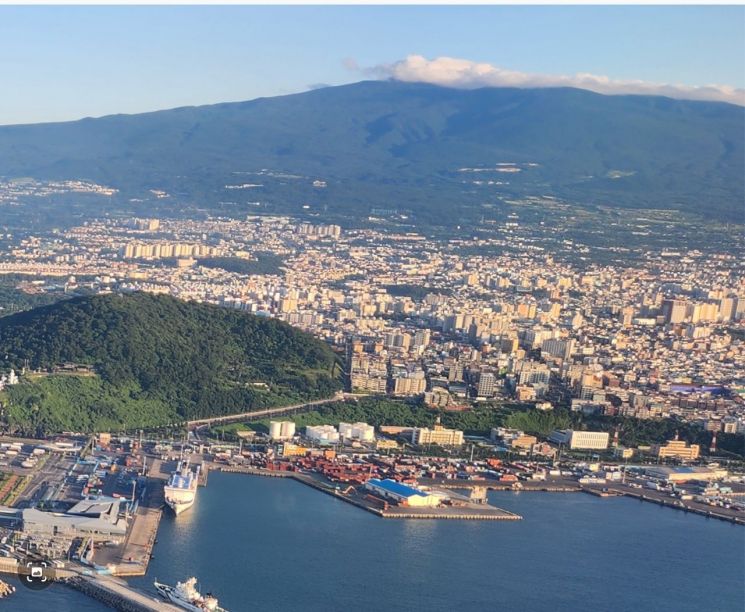
Jeju Special Self-Governing Province announced on the 20th that it will implement the “6th Seasonal Fine Dust Management Program” until March next year to respond to high concentrations of fine dust during the winter season.
During this period, the province will strengthen air quality management by focusing on △vehicle emissions (idling) control △crackdown on illegal burning △inspection of businesses generating fugitive dust △inspection of air pollutant-emitting businesses. In particular, illegal fuel use at air emission facilities and the operation status of air pollution prevention facilities will be closely monitored.
Inspections for fine dust response at facilities used by vulnerable groups such as children and the elderly will also be strengthened, and intensive collection will be carried out to prevent illegal burning of agricultural waste and residues in rural areas. In addition, the province plans to inform residents about the operation status of the seasonal management program, guidelines for action during high concentrations of fine dust, and the implementation status of emergency reduction measures.
Jeju Province will issue emergency fine dust reduction measures based on the concentration of ultrafine dust on the day and the forecast for the next day. When emergency reduction measures are issued, the operation of grade 5 emission vehicles will be restricted, and if these vehicles are caught by surveillance cameras operating between 6 a.m. and 9 p.m. on weekdays, a fine of 100,000 KRW per day will be imposed. However, emergency vehicles, police, fire, military vehicles, and vehicles that have completed low-emission measures are exempt from these restrictions.
During the 5th seasonal management period (December 2023 to March 2024), the average ultrafine dust concentration in Jeju was 15.1㎍/㎥. This is a 32.6% decrease compared to 22.4㎍/㎥ before the implementation of the seasonal management program (December 2018 to March 2019).
Since 2015, the annual average concentration of ultrafine dust in Jeju has shown a continuous downward trend. As of 2023, the ultrafine dust concentration in Jeju is 14㎍/㎥, which is 26% lower than the national average (19㎍/㎥).
Kang Aesook, Director of Climate and Environment at Jeju Province, stated, “We will actively promote sector-specific measures to reduce high concentrations of fine dust in order to further improve Jeju’s clean air quality,” and requested, “We ask for active participation and cooperation from residents, such as refraining from going out and wearing masks during periods of high fine dust concentration.”
© The Asia Business Daily(www.asiae.co.kr). All rights reserved.
![Clutching a Stolen Dior Bag, Saying "I Hate Being Poor but Real"... The Grotesque Con of a "Human Knockoff" [Slate]](https://cwcontent.asiae.co.kr/asiaresize/183/2026021902243444107_1771435474.jpg)
















