BOK's Recent Discussions and Implications on the Possibility of Low Growth and Low Inflation Post-Pandemic
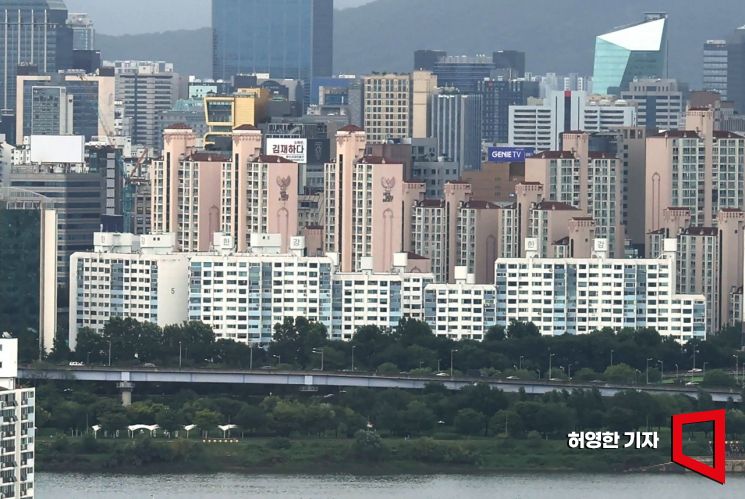
Concerns have been raised that if our economy returns to the era of low growth and low inflation prior to the COVID-19 pandemic, issues such as rapid increases in asset prices, including housing prices, could reoccur.
According to the report titled "Recent Discussions and Implications on the Possibility of Low Growth and Low Inflation After the Pandemic," released by the Bank of Korea on the 18th, inflation has stabilized recently in major countries including South Korea, increasing interest in the medium- to long-term outlook for price rises and economic growth.
The report pointed out that some expect a return to the low growth and low inflation conditions seen before COVID-19. It explained that structural factors causing long-term stagnation, such as aging populations, stagnation in technological innovation, and income inequality, remain unresolved and form the basis for the low growth and low inflation argument.
Advanced countries have already entered a super-aged society, and although emerging countries have lower aging levels compared to advanced countries, they are experiencing very rapid aging. This is another background for such claims. Additionally, the slowdown in labor productivity growth in major European countries since the global financial crisis is also a cause.
On the other hand, the report introduced views that the global economy will not revert to a low growth and low inflation phase due to structural changes that emerged after the pandemic. These views are based on the fact that the natural real interest rate may rise due to expanded fiscal deficits during the pandemic response, and that investment demand for economic reconstruction and transition to a green economy after the pandemic could increase.
Concerns Over Asset Price Increases if Returning to Low Growth and Low Inflation Phase
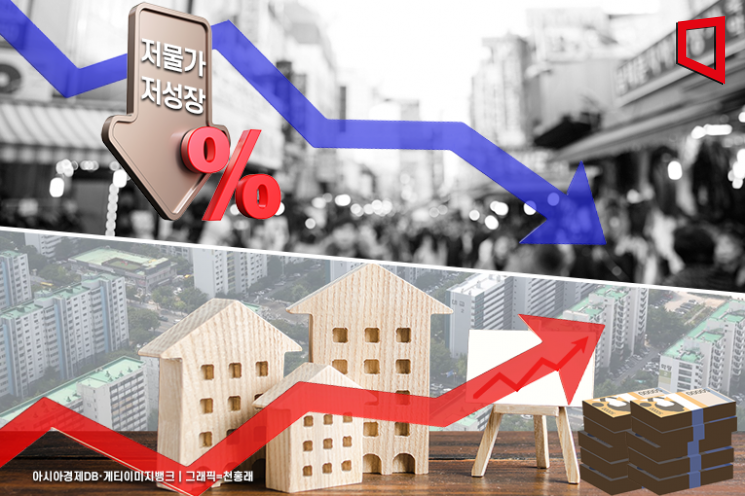
The Bank of Korea assessed that it is difficult to draw definitive conclusions between these two opposing views at this point. For example, while population aging reduces growth potential, if productivity improvements driven by the spread of artificial intelligence (AI) proceed rapidly, the global economy’s growth potential could actually increase.
However, it expressed concern that if the economy enters a low growth and low inflation phase, the effectiveness of monetary policy would be limited, while upward pressure on asset prices could increase. In particular, although inflation in South Korea is expected to stabilize near the target level for the time being, it emphasized that the possibility of entering a low growth and low inflation phase below 1% cannot be ruled out in the medium to long term if the potential growth rate continues to decline.
Once in a low growth and low inflation phase, significant economic costs will inevitably accompany recovery efforts. At this time, the economic stimulus effects of expansionary monetary and fiscal policies aimed at boosting aggregate demand would be limited, while there is a risk of only fueling asset price increases.
The report argued that structural reforms to enhance growth potential are necessary to fundamentally resolve this issue. Structural reforms aim to improve national competitiveness by removing institutional factors that constrain productivity improvements across the economy.
A Bank of Korea official stated, "According to the recent Draghi report, expanding large-scale investments for technological innovation, reviewing AI regulations, and deregulating markets to activate new business entries are important tasks for sustainable development," adding, "Structural reforms are the ultimate solution to prevent entry into a low growth and low inflation phase by improving resource allocation efficiency, thereby enhancing our economy’s growth potential and shock resilience."
© The Asia Business Daily(www.asiae.co.kr). All rights reserved.


















