Utilizing Big Data for Site Selection
Dobong-gu (District Mayor Oh Eon-seok) announced that it has completed expansion work on facilities at bus stops to prepare for the cold wave this month.
This year, the district newly installed a total of 46 facilities, including 20 heated seats, 3 smart shelters (refuges), and 23 Chuwi Nok-i-so (cold wave shelters).
The selection of installation sites utilized big data such as the number of passengers boarding and alighting at each stop, surface temperature, welfare facilities, and reflected residents' opinions.
Currently, the district has a total of 370 bus stops, of which 191 are equipped with cold wave preparation facilities such as heated seats.
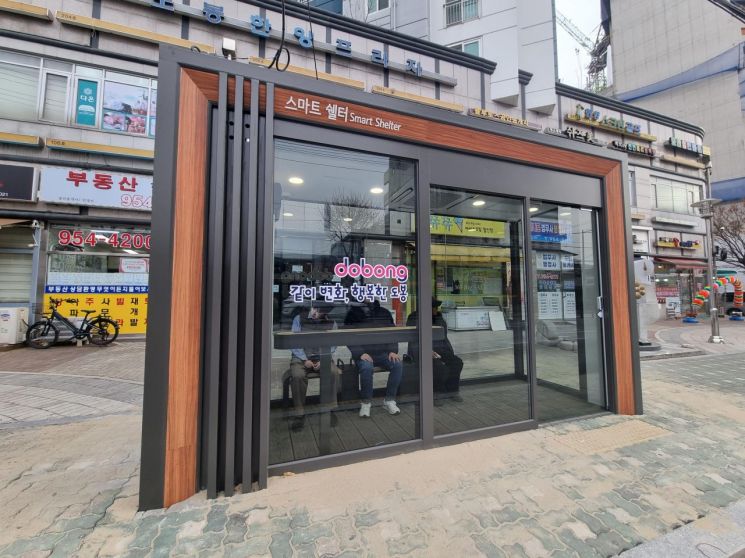
An official from the district stated, “We will continue to install cold wave preparation facilities at all bus stops as soon as the budget is secured.”
The district is highly appreciated by residents for its user-centered transportation convenience policies. A representative example is the ‘Chuwi Nok-i-so.’ Since 2017, Dobong-gu has been the first in Seoul to install and operate Chuwi Nok-i-so. These are sliding-door cold wave shields, with interiors about 3 degrees Celsius warmer than the outside temperature, and the perceived temperature feels 5 to 10 degrees warmer.
In 2019, Dobong-gu became the first in the nation to install IoT-based carbon heated seats at bus stops. These IoT-based carbon heated seats allow remote operation and control, enabling quick responses to complaints such as temperature adjustments.
Oh Eon-seok, Mayor of Dobong-gu, said, “We will continue to create a safe and convenient public transportation environment through transportation policies that reflect the voices of residents.”
© The Asia Business Daily(www.asiae.co.kr). All rights reserved.

















