District Office, Community Service Centers, and 89 Other Locations Operate Cold Wave Shelters
Multifaceted Elderly Protection Measures Including Heating Supplies Support, Welfare Checks, and Enhanced Meal Services
Nowon-gu, Seoul (District Mayor Oh Seung-rok) announced that it has established and is operating a cold wave countermeasure to protect elderly people, including seniors living alone, from the winter cold wave.
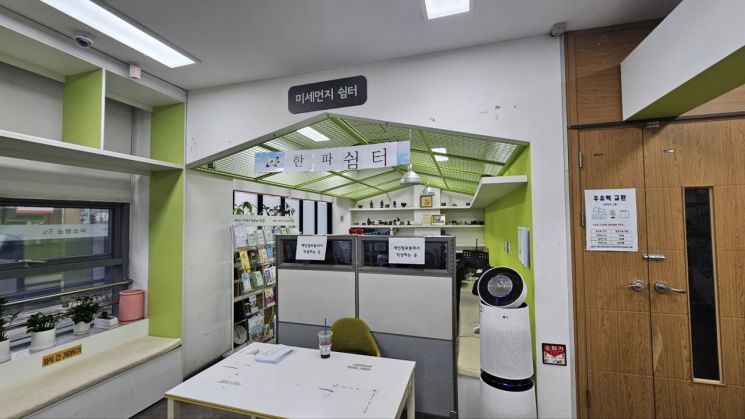
First, the district operates cold wave shelters at a total of 89 locations within the area. There is one shelter each at the district office and 19 community service centers, and 69 senior centers receiving heating cost support also operate as cold wave shelters during the winter cold wave countermeasure period.
The cold wave shelters, which began operation on November 15, will be open on weekdays from 9 a.m. to 6 p.m. until March 15 of next year. The designation status of the cold wave shelters can be checked through the district website’s notice board and the National Disaster Safety Portal website.
Through a status survey of community service centers and senior care service providers, heating supplies (electric mats) are separately provided to vulnerable seniors aged 65 and older living alone. The district has identified that 27.5% of seniors aged 65 and over living in the area live alone, and among them, 6,711 people, accounting for 24.5%, are low-income, so they are managed as a priority protection group to ensure they can spend the winter safely and warmly.
In addition to operating shelters and distributing heating supplies, the district’s cold wave measures for seniors include ▲additional winter meal support for seniors ▲strengthening welfare check-ins through customized senior care services ▲safety inspections and surveillance activities at senior welfare facilities ▲operation of emergency duty teams to monitor cold wave situations.
For 168 seniors at risk of missing meals, meal delivery and side dish delivery services are expanded to supplement the existing low-income senior meal support program. Welfare check-ins via phone calls, visits, and Internet of Things (IoT) devices are also intensified during cold wave alerts to establish a system capable of responding to emergencies.
In addition to the cold wave protection measures focused on seniors living alone and the elderly, the district is making every effort to prevent cold wave damage to vulnerable groups. This includes strengthening patrols in areas prone to homelessness, operating emergency relief teams for street homeless people, an emergency surveillance system for cold-related illnesses, and enhanced health management visits for cold wave vulnerable groups, mobilizing the capabilities of all district office departments and related organizations.
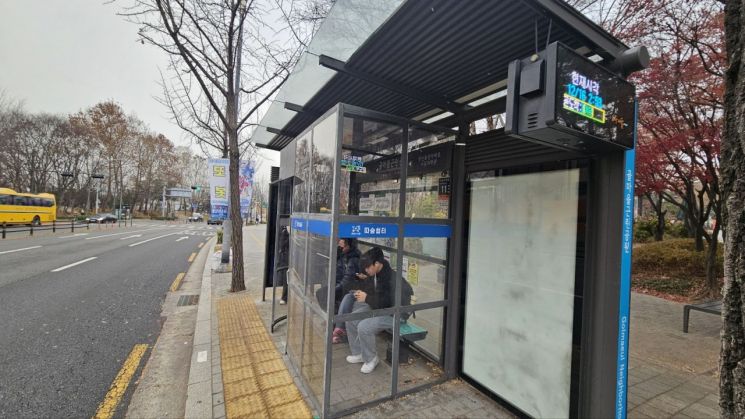
Bus stop facilities are also in operation to allow people to warm up briefly and avoid the biting wind while waiting for buses outdoors. Heated seats, which maintain the seat surface temperature around 35°C and are set to stop operating on warmer days, are installed at 359 seats across 357 bus stops, and windbreak shelters called Ttasum Shelters are installed at 110 bus stops.
District Mayor Oh Seung-rok said, “Even on days without cold wave warnings, the cold during winter with large temperature differences between day and night can pose serious risks to seniors, so we will continue to monitor carefully.”
© The Asia Business Daily(www.asiae.co.kr). All rights reserved.
![Clutching a Stolen Dior Bag, Saying "I Hate Being Poor but Real"... The Grotesque Con of a "Human Knockoff" [Slate]](https://cwcontent.asiae.co.kr/asiaresize/183/2026021902243444107_1771435474.jpg)
















