Discussion on Income Tax Increase Deferred Ahead of the '1.03 Million Yen Wall'
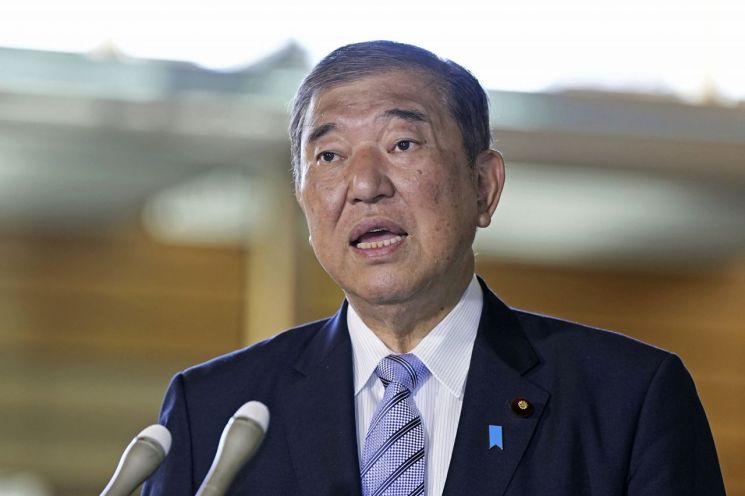
The Japanese government and ruling party have postponed the decision to raise income tax to secure funds for strengthening defense capabilities. Although the Japanese government decided in 2022 to increase the defense-related budget through tax hikes, the decision to raise income tax has been continuously delayed.
On the 14th, Japan's Yomiuri Shimbun reported that the Japanese government and ruling party have agreed to reconsider the start date for the income tax increase next year. The planned increases in tobacco tax and corporate tax will be implemented as originally scheduled from April 2026.
Amid ongoing discussions to improve the "1.03 million yen wall," which raises the exemption threshold for earned income tax, voices from Komeito, the coalition partner, have called to avoid discussions about the start date of the income tax hike.
The "1.03 million yen wall" refers to the non-taxable income threshold of 1.03 million yen for wage earners. If total income, including part-time earnings, exceeds 1.03 million yen, taxpayers end up at a disadvantage. For example, parents supporting university students under 23 years old lose eligibility for a specific dependent deduction if their child's part-time income exceeds 1.03 million yen.
In December 2022, the Japanese government revised the three major security documents and planned to increase the defense-related budget to 2% of GDP in fiscal year 2027 (April 2027 to March 2028), securing about 43 trillion yen (approximately 407 trillion won) for defense over five years. To achieve this, they decided to raise corporate tax, income tax, and tobacco tax.
© The Asia Business Daily(www.asiae.co.kr). All rights reserved.

















