Fentanyl Detected in All Dead Dolphins
"Marine Drugs Also Harmful to Humans"
Fentanyl, known as the "zombie drug" and causing social problems in the United States, is now threatening the global ecosystem. Fentanyl components have been detected in dolphins in the Gulf of Mexico, which borders the United States, Mexico, and Cuba.
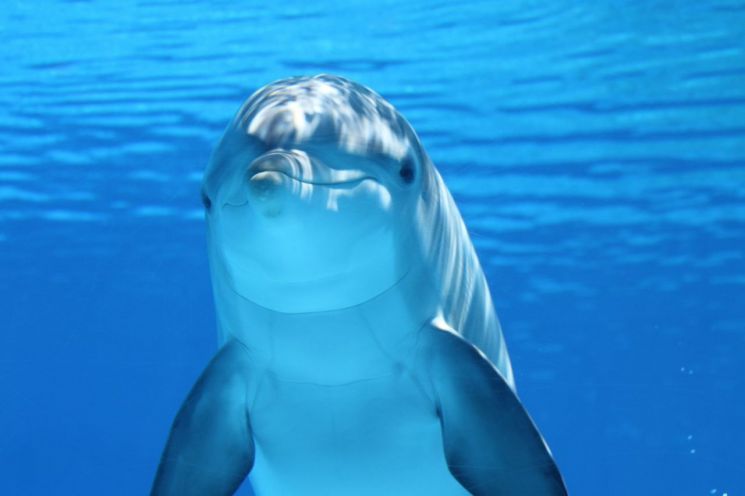
A research team from Texas A&M University announced on the 13th (local time) that they published a research paper titled "Pharmaceuticals in the blubber of free-swimming bottlenose dolphins (Tursiops truncatus)" in the latest issue of the international academic journal iScience, scheduled for release on the 20th.
Upon examining the tissues of 83 live wild bottlenose dolphins and 6 deceased bottlenose dolphins, the research team found fentanyl in 18 of the live dolphins and in all of the deceased dolphins. Three drug components were identified, including opioids used as narcotic analgesics, muscle relaxants, and sedatives; fentanyl belongs to the opioid class. However, the team added that the traces of fentanyl detected in the dolphin carcasses are not necessarily the cause of death.
This is the first time such a high proportion of fentanyl has been found in wild animals. It appears that fentanyl, excreted through human urine and feces, was not broken down or filtered out at wastewater treatment plants and entered the natural environment, where it underwent biological magnification and affected wildlife.
The research team emphasized that the chronic exposure and cumulative effects of drugs on marine mammals are not yet fully understood, but large-scale studies are needed in this regard. Considering that dolphins, like humans, eat fish and shrimp, marine drugs could potentially impact human health.
Earlier in July, sharks living near the coast of Brazil tested positive for cocaine. Researchers from the Oswaldo Cruz Foundation in Brazil examined 13 Brazilian Sharpnose sharks caught off the coast of Rio de Janeiro and found large amounts of cocaine in the liver and muscles of all individuals. The levels were 100 times higher than those previously reported in other aquatic organisms.
The researchers noted that South America consumes 22% of the world's cocaine, and Brazil is the second-largest cocaine market. They concluded that cocaine consumption is increasing while wastewater treatment facilities are inadequate, leading to the accumulation of cocaine in the ocean.
© The Asia Business Daily(www.asiae.co.kr). All rights reserved.
![Clutching a Stolen Dior Bag, Saying "I Hate Being Poor but Real"... The Grotesque Con of a "Human Knockoff" [Slate]](https://cwcontent.asiae.co.kr/asiaresize/183/2026021902243444107_1771435474.jpg)











