Questions on hit products from 5 food companies
Only Shin Ramyun Tomba recognized by other companies
K-Food boom strengthens overseas market more than domestic sales
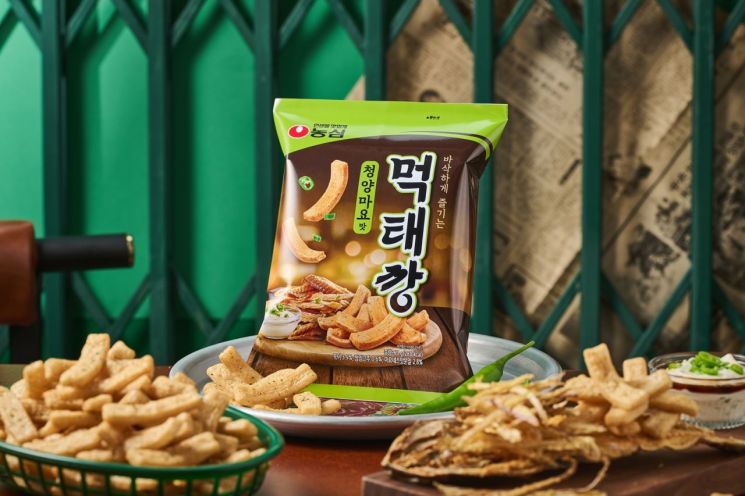
Unlike last year when Nongshim's 'Meoktaekkang' became a mega hit and caused a sold-out frenzy, this year the food industry has seen no clear hit products. Nongshim's 'Shin Ramyun Ttumba' is considered a hit, but it is evaluated as lacking the ripple effect of Meoktaekkang. Analysts attribute this to the deepening domestic demand slump, which led companies to focus on marketing existing steady sellers rather than developing new products, and to the impact of pouring resources into overseas markets amid the global K-food boom.
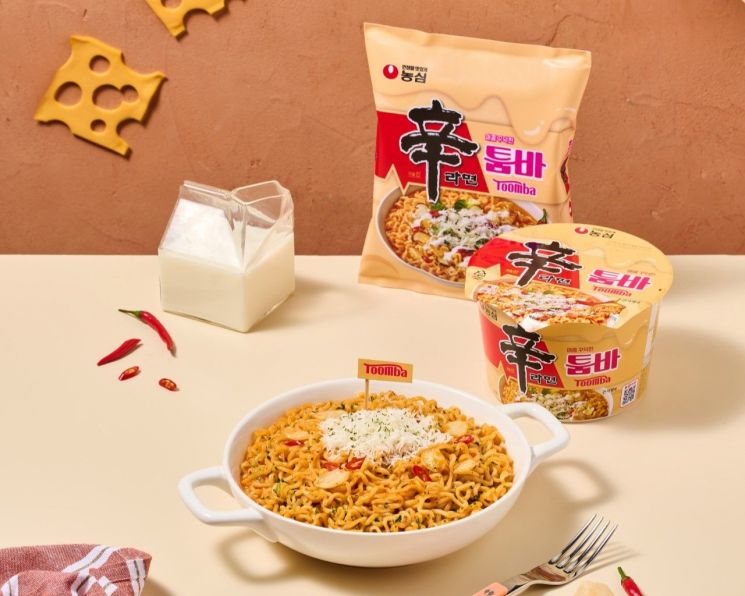
On the 11th, when this outlet inquired with five familiar food companies to consumers?CJ CheilJedang, Lotte Wellfood, Ottogi, Nongshim, and Orion?Nongshim pointed to Shin Ramyun Ttumba, launched last September.
Ttumba is an actual product version of the Shin Ramyun Tteokbokki recipe that had been trending on SNS for several years. It features a harmony of Shin Ramyun's spiciness with the rich and savory taste of cream and cheese. According to Nongshim, Shin Ramyun Ttumba surpassed 11 million units combined of cup and bag sales within two months of launch. The large bowl noodles released in September sold 5 million units in two months, and the bagged noodles introduced in October sold 6 million bags in one month.
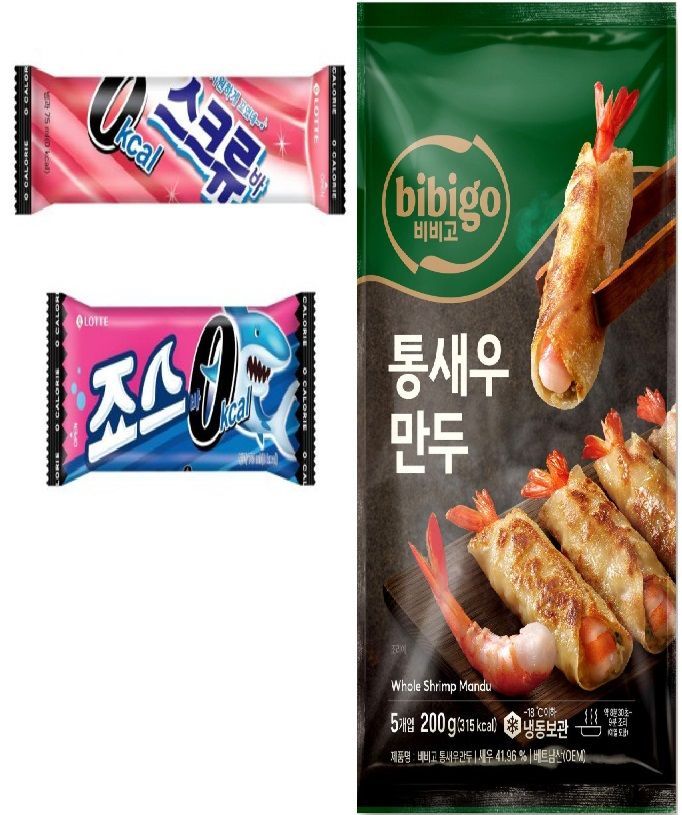
Lotte Wellfood cited the 'Jaws Bar, Screw Bar, Watermelon Bar 0kcal' series. These are the first products in the domestic ice cream industry to achieve 0kcal ice cream, not just 0g sugar. In particular, the Screw Bar was praised for tasting no different from existing products and was so popular that the initial supply sold out. The 0kcal series actively targeted women in their 10s to 30s who are sensitive to calorie and sugar content, selling 7.2 million units in one month and surpassing internal goals.
CJ CheilJedang identified 'Bibigo Whole Shrimp Dumplings' as their top hit. Unlike existing shrimp dumplings, this product contains whole shrimp including the tail. A special mix was developed to ensure the dumpling skin is crispy when fried and moist when steamed. As a result, this product surpassed cumulative sales of 5 million units within nine months of launch (as of September this year). Thanks to this, CJ CheilJedang's frozen dumpling sales increased by more than 15% year-on-year from January to July after the launch of Bibigo Whole Shrimp Dumplings.
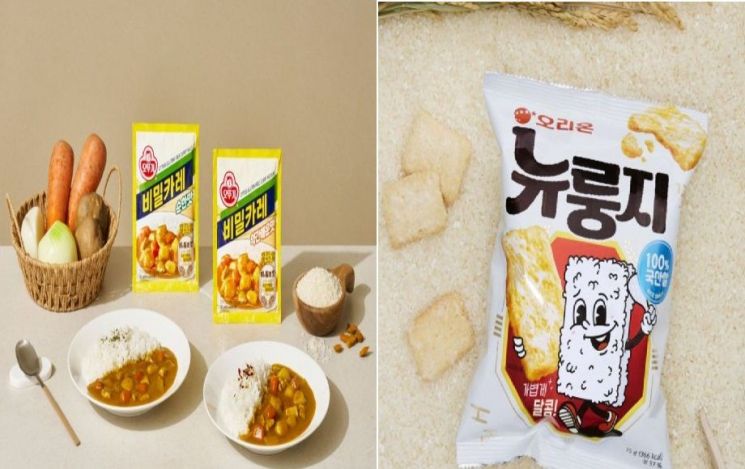
Orion pointed to 'New Rungji,' launched last July, as a hit product. New Rungji was developed to revitalize rice consumption and is made by baking 100% domestic rice in an oven without frying. Its crispy texture gained popularity, with cumulative sales surpassing 3.7 million packs. Last month, it exceeded monthly sales of 1 billion KRW, a benchmark for hit products in the food industry.
Ottogi named Secret Curry as their hit product. It is a gluten-free product made with rice flour instead of wheat flour. It was created to allow consumers with gluten intolerance or sensitivity, as well as health-conscious consumers, to enjoy curry more comfortably. The turmeric content increased by 44.1% compared to existing Ottogi curry, while fat content decreased by 30% and sugar content by 40%, making it lighter to enjoy.
The hit product commonly pointed out by the food industry was Shin Ramyun Ttumba. In fact, Shin Ramyun Ttumba's sales volume surpasses that of Meoktaekkang last year. Meoktaekkang sold 6 million packs in 12 weeks, while Shin Ramyun Ttumba sold 11 million packs in 8 weeks. However, the industry evaluates that its ripple effect does not reach that of Meoktaekkang. This is partly because ramen is often sold in packs of four and is stockpiled, making it difficult to directly compare sales volume with snacks bought one by one. A Nongshim official explained, "Nongshim's production capacity for ramen is larger than for snacks, so it is difficult to increase snack supply all at once. In the case of Meoktaekkang, the shortage phenomenon caused a social issue."
Reasons for the Absence of Mega Hits Amid K-Food Boom and Economic Downturn
The biggest reason for the absence of mega hits among food companies this year is the impact of sluggish domestic demand, according to industry analysis. Due to the prolonged economic downturn, consumers have been reluctant to open their wallets, leading food companies to focus on marketing steady sellers safely rather than investing in new product development and promotion. A representative from Company A said, "In a year marked by domestic demand slump, there was a more pronounced trend of concentrating marketing expenses on each company's main products rather than investing in new products with uncertain success."
There is also an interpretation that food companies were more active in overseas sales activities than in the domestic market, which has limited growth potential, due to the global K-food popularity. A representative from Company B analyzed, "With the domestic economy in recession and a focus on overseas expansion amid the K-food boom, it seems difficult for mega hits to emerge."
On the other hand, there is an analysis that mega hits will continue to be hard to come by due to rapidly changing consumer tastes. A representative from Company C said, "One of the reasons sensational new product booms are hard to occur is the pattern of consumers quickly moving on to other products just as something is becoming popular."
© The Asia Business Daily(www.asiae.co.kr). All rights reserved.
![Clutching a Stolen Dior Bag, Saying "I Hate Being Poor but Real"... The Grotesque Con of a "Human Knockoff" [Slate]](https://cwcontent.asiae.co.kr/asiaresize/183/2026021902243444107_1771435474.jpg)


















