Common Belief That Alcohol Consumption Negatively Affects Hair Loss
Domestic Researchers Say "Statistically Insignificant Level"
The common belief that alcohol consumption negatively affects hair loss has been reported to be inaccurate.
Recently, a joint research team led by Kim Won-kyu, Senior Researcher at the Natural Product Efficacy Optimization Research Center of the Korea Institute of Science and Technology (KIST) and Adjunct Professor at Yonsei University Wonju College of Medicine, along with Professors Kim Ki-hoon and Kim Yoon-hak from Pusan National University, published their findings in the international journal Alcohol and Alcoholism, indicating that there is little correlation between alcohol consumption and androgenetic alopecia.
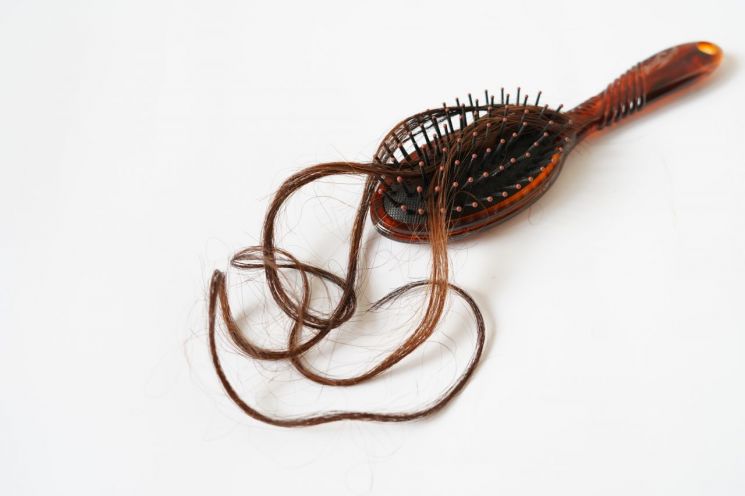
Analyzing thousands of studies published up to April this year using a matched cohort method, the research team found no significant difference in the incidence of androgenetic alopecia between drinkers who consume about three glasses of soju per week and non-drinkers. Although individuals with androgenetic alopecia were 1.4 times more likely to consume alcohol than those without, the team stated that "this level is not statistically significant."
Androgenetic alopecia occurs in both men and women and is the most common type of hair loss worldwide. It is caused by the male hormone androgen inhibiting hair growth. It is characterized by hair gradually thinning and falling out. Genetic factors play a major role, and factors such as smoking, diet, and stress have also been considered potential causes. Additionally, there has been a common belief that acetaldehyde, produced during the liver's alcohol metabolism process, can interfere with scalp immunity and worsen androgenetic alopecia.
The research team explained that while some correlation between hair loss and alcohol consumption may be found when analyzing specific groups, "there may be some bias, but analyzing large-scale studies clarifies the lack of correlation."
Senior Researcher Kim Won-kyu stated, "There was a study analyzing the correlation between vitamin C intake and lifespan in 50,000 people that showed no effect on increasing lifespan, but there is a difference between drinking a lot of alcohol while taking vitamins and not taking them. While effects are not confirmed in diverse populations, specific groups may show results." He added, "Additional analysis is needed to compare with other factors, but it is judged that factors like stress have a more severe impact than alcohol."
© The Asia Business Daily(www.asiae.co.kr). All rights reserved.
![Clutching a Stolen Dior Bag, Saying "I Hate Being Poor but Real"... The Grotesque Con of a "Human Knockoff" [Slate]](https://cwcontent.asiae.co.kr/asiaresize/183/2026021902243444107_1771435474.jpg)











