Chinese Lunar New Year 'Chunjeol' Registered as UNESCO Cultural Heritage
Local Netizens "Glad It Was Not Stolen by Han"
Conflict Over 2005 Gangneung Danoje Festival
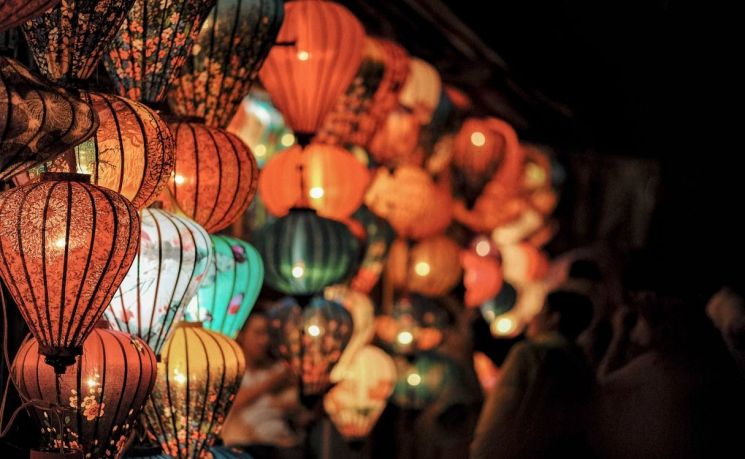 China's Lunar New Year, known as 'Chunjeol,' has been inscribed on the UNESCO Intangible Cultural Heritage list. Photo by Pexels
China's Lunar New Year, known as 'Chunjeol,' has been inscribed as a UNESCO Intangible Cultural Heritage of Humanity, prompting local netizens to react with comments such as "It's a relief that it wasn't taken by Korea."
According to a report by the English edition of the Chinese state-run Global Times on the 5th (local time), UNESCO decided on the 4th at the 19th Intergovernmental Committee meeting for the Safeguarding of Intangible Cultural Heritage held in Asuncion, Paraguay, to add 'Chunjeol (Festival·Spring Festival), the traditional Chinese New Year celebration social customs' to the Representative List of the Intangible Cultural Heritage of Humanity. The committee reportedly evaluated that "Chunjeol encompasses various rituals involving the entire Chinese society and unique cultural elements," and "it marks the beginning of the traditional Chinese New Year, including various social customs such as wishing for good fortune and family gatherings."
The Global Times explained, "Chunjeol is also called the Chinese New Year and is one of the most important holidays not only in China but worldwide," adding, "The inscription of Chunjeol as an intangible cultural heritage of humanity recognizes not only its Chinese roots but also the idea that Chunjeol connects all humanity." Lao Qian, Deputy Minister of the Chinese Ministry of Culture and Tourism, who led the delegation attending the meeting, also stated, "Chunjeol is the most important traditional holiday in China," and "It embodies the Chinese people's hope for a better life, strong bonds with family and nation, and the value of harmony between humans and nature." He further added, "Passed down through generations, Chunjeol has provided spiritual strength to the Chinese people."
With this, China has registered a total of 44 cultural practices and customs on the UNESCO Intangible Cultural Heritage list, including falconry, the hunting of wild animals using trained falcons, and the 24 solar terms based on the sun's movement, making it the country with the most heritage items inscribed. Upon hearing the news, local netizens posted on the social networking service (SNS) 'Baidu' comments such as "It's a relief that Chunjeol was not stolen by Korea" and "Now that UNESCO has recognized it, it won't be taken by Korea in the future." In 2005, when Korea's Gangneung Danoje Festival was inscribed as a UNESCO intangible cultural heritage, China reacted by stating, "Danoje originated as a ceremony commemorating the poet Qu Yuan in the 4th century BCE," implying that the "owner, China, was overshadowed by Korea."
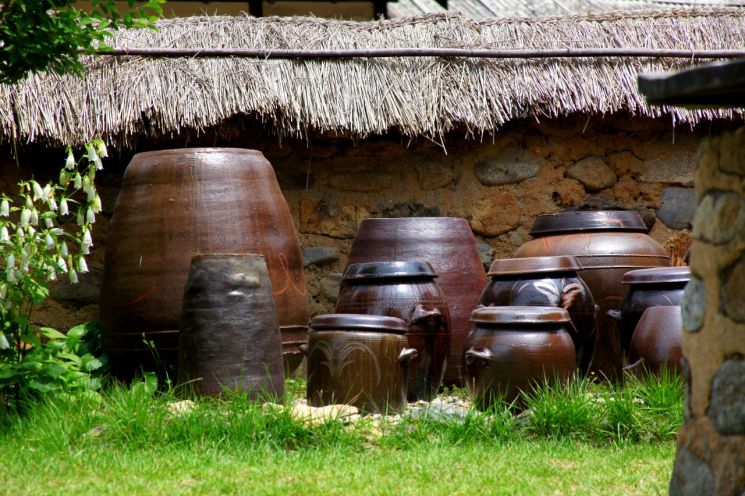
Meanwhile, Korea also achieved a significant success by inscribing the 'Jang fermentation culture' as a UNESCO intangible cultural heritage at this meeting. This is the second traditional food culture to be inscribed after the kimchi-making culture in 2013. The committee reportedly evaluated that "the communal act of jang fermentation fosters peace and a sense of belonging within the related communities." With this, Korea has become a country possessing a total of 23 intangible cultural heritage items, starting with Jongmyo Jerye and Jongmyo Jeryeak, followed by Pansori, Ganggangsullae, Talchum, and others.
© The Asia Business Daily(www.asiae.co.kr). All rights reserved.


















