558 Deals and $67.2 Billion Traded by End of Last Month
Half of Last Year, Lowest Since 2016
Major foreign media reported on the 1st (local time) that the transaction volume in the global pharmaceutical industry this year has recorded the lowest level in over a decade. This is a result of large pharmaceutical companies preferring investments in small startups rather than products from companies that can be commercialized immediately, leading to a decrease in so-called 'big deals' such as large mergers and acquisitions (M&A).
According to the London Stock Exchange Group (LSEG), pharmaceutical companies worldwide, including Eli Lilly, completed 558 deals by the end of last month this year, with a total value of approximately $67.2 billion (about 94 trillion KRW). This is about half the transaction volume of last year and the lowest level since 2016.
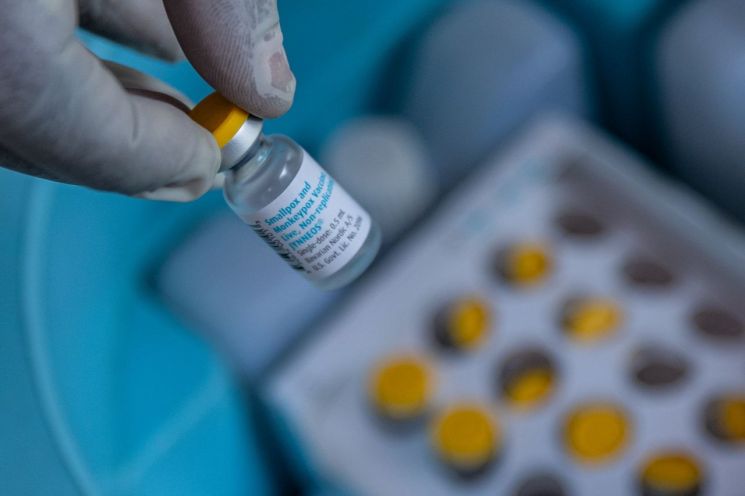
The acquisition of Alpine Immune Sciences (API) by Vertex, regarded as the largest M&A in the global pharmaceutical and biotech industry this year at $4.9 billion, is about one-eighth the size of Pfizer's acquisition of Seegene for $43 billion, which was the largest M&A last year.
Experts see the focus of global pharmaceutical companies on digesting large deals from last year and the bubble in the valuation of large listed companies, which led potential acquirers to avoid them, as the reasons for the lack of large M&A deals this year.
Andrew Weizenfeld, an investment banker at MTS Health Partners, explained, "Many large companies have become really expensive, and people are not willing to pay that price," adding, "Especially some pharmaceutical groups have become more cautious in transactions as they face patent expirations on existing drugs." According to the accounting firm KPMG, 190 drugs will lose exclusivity by 2030, and as a result, major pharmaceutical groups are estimated to face sales losses worth $59 billion.
Foreign media reported, "The strict antitrust environment created by Lina Khan, Chair of the Federal Trade Commission (FTC), and the political uncertainty caused by the election year have also dampened transaction activities in the pharmaceutical industry," noting that pharmaceutical companies are currently focusing on 'bolt-on' deals under $5 billion, which involve acquiring small businesses in similar industries to enhance corporate value.
However, positive outlooks are also emerging. Zahid Monier, Managing Director of Healthcare at BNP Paribas, said, "There is optimism that the flow of deals and investments in the biopharmaceutical sector will increase with Trump's administration," adding, "There is cautious speculation that transaction activities will significantly recover in January next year."
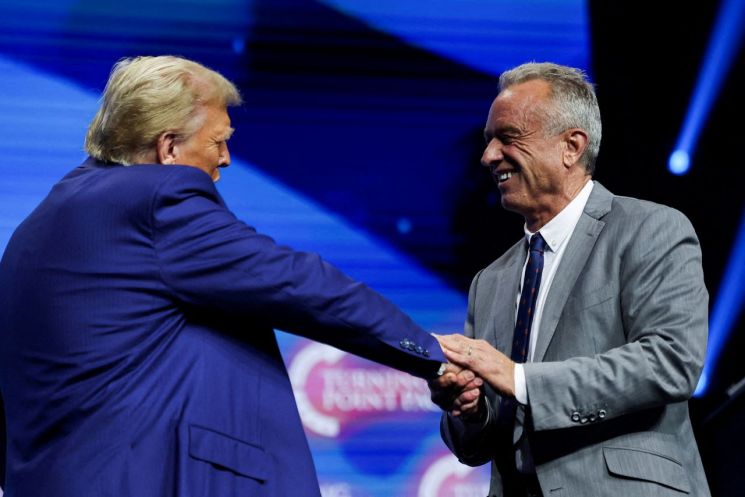
Foreign media emphasized, "Attention is focused on how the appointment of Robert F. Kennedy Jr. as Secretary of Health and Human Services by U.S. President Donald Trump will affect pharmaceutical companies and vaccine manufacturers," but also stressed, "Most industry insiders expect a more positive outlook next year." Kennedy Jr., who will lead the Department of Health and Human Services in the next administration, is known as a prominent 'vaccine conspiracy theorist,' having claimed even before the COVID-19 pandemic that vaccine use causes autism and other conditions.
© The Asia Business Daily(www.asiae.co.kr). All rights reserved.


















