Vice Chairman Lee Young-gu and Affiliate CEOs Retain Positions
14 Executives Promoted Including Executive Director Bae Sung-woo
Recognized for Achievements Amid Domestic Demand Slump Crisis
Lotte Food Division retained all its CEOs, including the overall head, in the largest-ever group executive reshuffle that replaced 21 CEOs. Analysts suggest that the division avoided cuts by presenting improved results compared to the previous year amid internal and external crises.
On the 28th, Lotte announced that it held board meetings for 37 affiliates, including Lotte Holdings, and conducted the 2025 regular executive reshuffle. As a result, the total number of executives across the Lotte Group decreased by 13% compared to the end of last year, and 36% (21 CEOs) were replaced. To improve the group’s overall structure and renew leadership, 22% of executives retired.
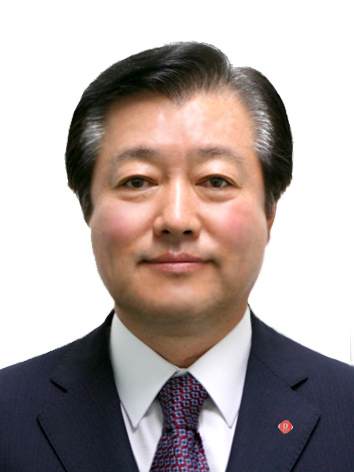
In this reshuffle, which was more extensive than the 2021 reshuffle during the COVID-19 period, Lotte Food Division retained Vice Chairman Lee Young-gu as the overall head, Lee Chang-yeop, CEO of Lotte Wellfood, Park Yoon-gi, CEO of Lotte Chilsung Beverage, and Cha Woo-chul, CEO of Lotte GRS. The division plans to maintain consistency in its current business strategy while enhancing execution capabilities to achieve visible results within this year.
Lotte Food Division also promoted a total of 14 executives in this reshuffle. By company, Lotte Wellfood promoted the most with eight, including Executive Director Bae Sung-woo; Lotte Chilsung Beverage promoted four; and Lotte GRS promoted two. Internally, these promotions were recognized as rewards for achievements based on overseas business performance despite this year’s economic downturn and sluggish domestic demand.
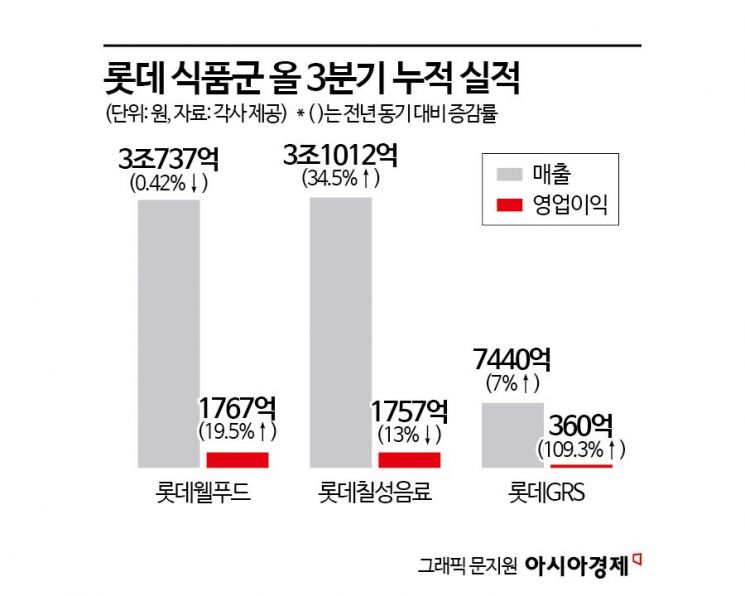
Looking at the cumulative results for the third quarter of this year for each company in Lotte Food Division, Lotte Wellfood’s sales slightly decreased from 3.0867 trillion KRW in the same period last year to 3.0737 trillion KRW, but operating profit surged 19.5% from 147.8 billion KRW to 176.7 billion KRW. While the domestic market faced limitations causing a slowdown in domestic business, growth in overseas markets such as India’s dried fruit segment and other subsidiaries contributed to improved performance. In particular, demand for Choco Pie in India increased, leading to a 9.4% rise in dried fruit sales.
Lotte Chilsung Beverage’s operating profit decreased by 13% from 202.7 billion KRW to 175.7 billion KRW during the same period, but sales, indicating top-line growth, increased by 34.5% from 2.3063 trillion KRW to 3.1012 trillion KRW. Although the domestic business environment worsened due to prolonged monsoon rains and sluggish domestic demand, global sales surged 359.5% year-on-year to 351 billion KRW, driving growth. Having achieved annual sales of 3 trillion KRW last year, Lotte Chilsung Beverage is likely to join the '4 trillion club' this year.
Lotte GRS also showed significant improvement this year. Its cumulative sales for the third quarter reached 744 billion KRW on a consolidated basis, a 7% increase compared to the same period last year. If the current trend continues, it is expected to surpass 1 trillion KRW in sales for the first time in seven years since 2017 (1.0896 trillion KRW). Cumulative operating profit also surged 109.3% year-on-year to 36 billion KRW. Lotte GRS stated, "Lotteria remains strong, and overseas markets such as Vietnam are performing well, boosting growth rates."
© The Asia Business Daily(www.asiae.co.kr). All rights reserved.


















