KCDC to Operate 'Cold-Related Illness Emergency Room Surveillance System' Starting Next Month 1
The Korea Disease Control and Prevention Agency (KDCA) announced on the 28th that it will operate the 'Cold-related Illness Emergency Room Surveillance System' from December 1st to February 28th, 2025, to monitor health damage caused by cold waves.
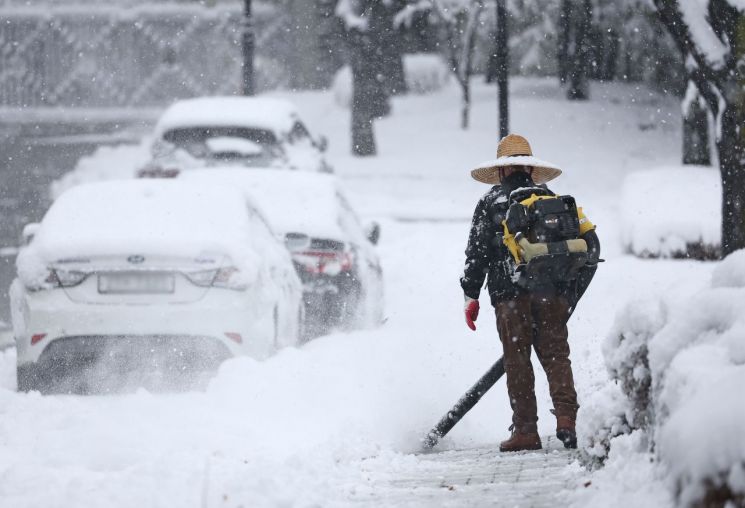
Cold-related illnesses refer to conditions such as hypothermia, frostbite, and chilblains, which are caused directly by cold temperatures and can harm the human body. The Cold-related Illness Emergency Room Surveillance System involves over 510 emergency room-operating medical institutions nationwide cooperating with local public health centers, metropolitan and provincial governments, and the KDCA to identify patients visiting emergency rooms with cold-related illnesses and monitor the health impacts of cold waves. Information on the occurrence of cold-related illnesses collected through this surveillance system will be provided daily on the KDCA website.
According to the KDCA's surveillance results for the 2023?2024 cold season, the number of reported cold-related illness cases was 400, a 10.5% decrease compared to the previous year (447 cases), with 12 deaths among them.
The Korea Meteorological Administration forecasts that temperatures in December and January this winter will be similar to average years, while February is expected to be warmer than usual. However, due to the possibility of significant temperature fluctuations, sudden cold spells may reduce the body's adaptability, increasing the risk of cold-related illnesses, so attention to health is necessary.
According to the KDCA, elderly people and children are more vulnerable to maintaining body temperature than the general adult population, so they should refrain from outdoor activities during cold waves and pay close attention to keeping warm. Special caution is required for those staying indoors without adequate heating to prevent cold-related illnesses. Additionally, individuals with chronic diseases such as cardiovascular and cerebrovascular diseases, diabetes, and hypertension may experience worsening symptoms, such as sudden blood pressure spikes due to rapid temperature changes, so they should avoid sudden exposure to cold and strenuous physical activity during cold waves.
Consuming alcohol can be dangerous because the body’s heat rises and then drops rapidly, making it difficult to perceive the cold. As temperatures drop, ligaments and tendons around joints stiffen, making them more susceptible to injury from minor impacts, increasing the risk of falls. During winter, influenza cases significantly increase, and the cold, dry air causes bronchial constriction, worsening symptoms for patients with respiratory diseases such as asthma, pneumonia, and chronic obstructive pulmonary disease (COPD). Therefore, it is essential to follow preventive measures.
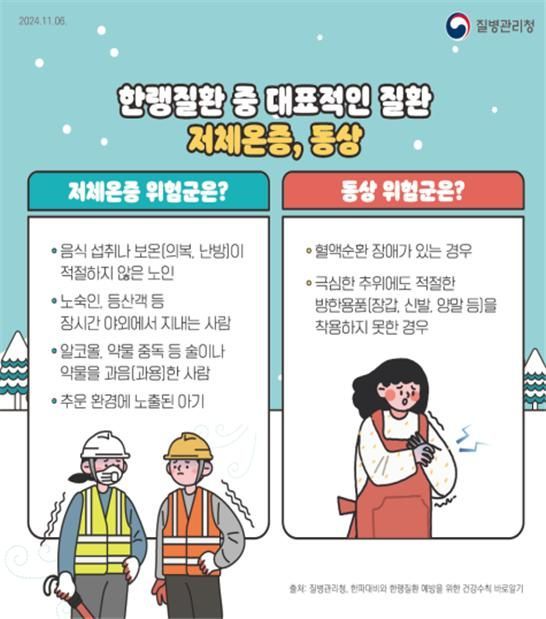
Ji Young-mi, Director of the KDCA, stated, "We must pay close attention to cold wave warnings and actively prevent cold-related illnesses by referring to health guidelines for vulnerable groups such as the elderly, children, and those with underlying conditions." She urged, "Caregivers and those around high-risk groups should show concern and monitor vulnerable populations closely."
© The Asia Business Daily(www.asiae.co.kr). All rights reserved.
![Clutching a Stolen Dior Bag, Saying "I Hate Being Poor but Real"... The Grotesque Con of a "Human Knockoff" [Slate]](https://cwcontent.asiae.co.kr/asiaresize/183/2026021902243444107_1771435474.jpg)

















