"30% of Russian Ballistic Missiles Are North Korean-Made"
Ukraine Fears Reduction in US Missile Support
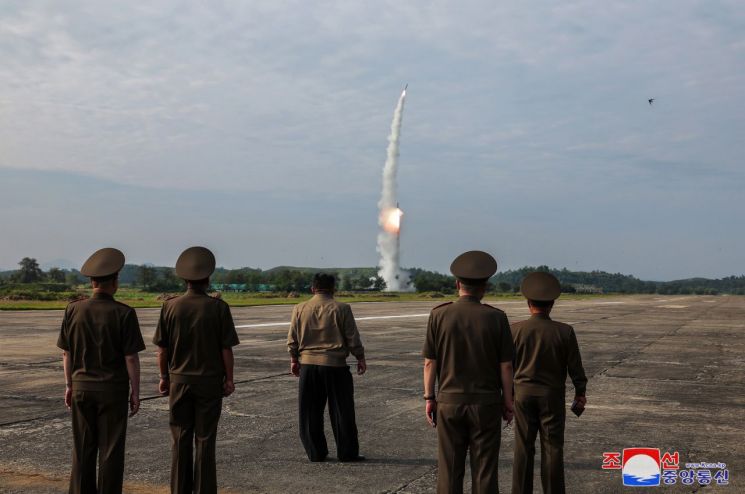
North Korea is reported to have expanded its ballistic missile factory that supports Russia. This is analyzed to be due to a significant increase in demand for North Korean missiles as Russia intensifies its offensive in Ukraine ahead of the inauguration of Donald Trump's second administration in January next year. Concerns are also rising that Russia, which can relatively import a large number of missiles from North Korea amid the expected worsening missile shortage in Ukraine due to reduced U.S. support, will push Ukraine even harder.
"New Assembly and Residential Buildings Constructed at North Korean Missile Factory"
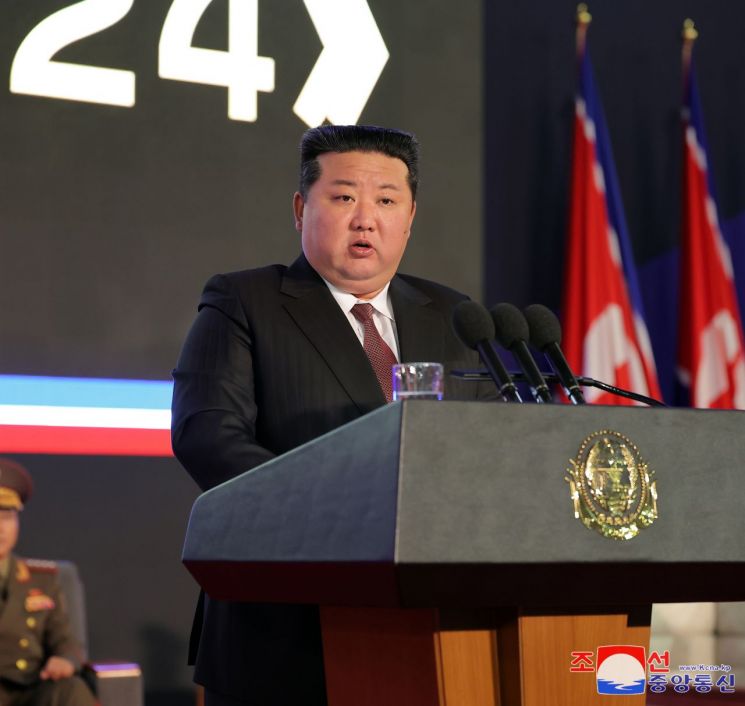
The James Martin Center for Nonproliferation Studies (CNS), a U.S. think tank, recently revealed that North Korea has expanded the missile factory supporting Russia. CNS cited satellite images from the private satellite company Planet Labs, explaining that new assembly buildings and residential facilities were detected at the missile factory within Ryongseong Machinery Joint Enterprise in Hamhung, South Hamgyong Province, North Korea.
The factory is known to produce the 'KN-23 (Hwasong-11)' missile, one of the main ballistic missiles used by Russia in the Ukraine war. The newly constructed buildings are estimated to be about 60-70% the size of the existing missile assembly buildings. Sam Laehy, a CNS researcher, stated, "The bridge crane in front of the tunnel entrance has been dismantled, indicating a focus on that area," adding, "These trends appear to be efforts to significantly increase or greatly boost the factory's production capacity."
This is analyzed to be because the use of North Korean missiles has greatly increased in key frontline areas in Ukraine. Earlier, Ukrainian intelligence authorities reported that out of 194 missiles Russia used in airstrikes across Ukraine this year, about one-third, or more than 60, were North Korean missiles.
Ukraine Fears Missile Shortage Amid Expected Reduction in U.S. Support
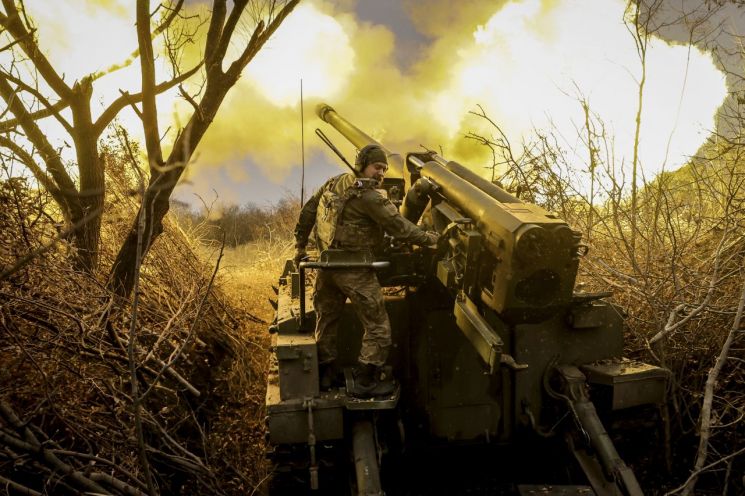
Unlike Russia, which continues to increase the quantity of North Korean missiles, Ukraine is expected to face severe weapon shortages as U.S. missile and artillery support is anticipated to be drastically reduced soon. Currently, the ratio of missile and artillery attacks compared to Russia is about seven to one, and this gap is expected to widen further, raising concerns that Ukraine may lose more territory before a ceasefire is fully implemented.
According to Bloomberg News, by the end of August, the U.S. government had provided weapon support worth $56.8 billion (approximately 79 trillion KRW) to Ukraine since the outbreak of the Ukraine war in 2022. This amount exceeds the $54.6 billion sent by all European countries combined. However, if Trump's second administration takes office in January, U.S. support is likely to be significantly reduced. Currently, the amount allocated for additional U.S. support is about $8.7 billion, much less than the $30 billion allocated by Europe.
Even with ongoing U.S. support, the ratio of artillery and missile attacks between Russia and Ukraine is analyzed to be about 7 to 1. Although this is an improvement from the initial 10 to 1 ratio at the start of the war, there are concerns that the gap will widen again to over 10 to 1 if U.S. military support decreases.
In a situation where U.S. weapon support is expected to be drastically reduced, European countries' weapon support is also being evaluated as insufficient. Recently, Josep Borrell, the European Union (EU) High Representative for Foreign Affairs and Security Policy, visited Ukraine and stated, "One million shells promised to Ukraine will arrive by the end of this year," adding, "We initially pledged to deliver them by spring this year but failed." Even if delivery is completed by the end of the year, it will be delayed by more than nine months from the original plan.
It is known to be difficult to suddenly increase missile production in Europe, where most conventional forces were disbanded after the end of the Cold War in the 1990s, and many weapon factories have either relocated or closed.
© The Asia Business Daily(www.asiae.co.kr). All rights reserved.



















