American Raccoons Devastating German Ecosystems
Known to Have Been Imported During the Nazi Era
In Germany, there is an animal nicknamed the 'Nazi bandits.' It is the raccoon, with a population reaching as many as 2 million. Originally, raccoons did not live in Germany, but their numbers have grown uncontrollably since being imported during Nazi Germany.
On the 26th (local time), Dr. Mark Felton, a British historian and author, introduced the so-called 'Nazi bandits' German raccoon commotion. Raccoons are native to the North American continent, but after Hermann G?ring imported them to Germany, their population increased, and it is now estimated that 2 million live nationwide.
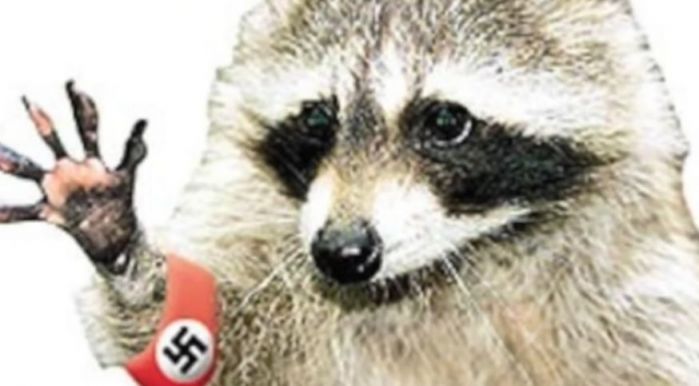 Due to being imported during Nazi Germany, raccoons are sometimes nicknamed "Nazi bandits" in Germany. YouTube capture
According to Dr. Felton, German authorities hunt over 200,000 raccoons annually, making strenuous efforts to control their population. However, raccoons are cunning, and since there are no suitable natural predators in Germany, their numbers continue to grow.
Dr. Felton explained, "The importation of invasive species that destroy ecosystems is a common occurrence in other countries as well." In fact, it is reported that many invasive species have become top predators in the food chain in various parts of the UK, where Dr. Felton resides. However, raccoons are particularly aggressive, often attacking humans, damaging rural gardens, and causing serious harm to Germany's natural environment, which is a significant problem.
So how did raccoons get imported from the United States all the way to Germany? Surprisingly, the history of the 'raccoon invasion' dates back to World War II. During Nazi Germany, Hermann G?ring, a close aide to Adolf Hitler and the country's de facto ruler, was a 'hunting enthusiast' and animal collector. He personally imported and raised raccoons, which were exotic animals in Germany at the time, and his policies contributed to the current 'raccoon invasion.'

However, there is another reason why the raccoon population suddenly increased. Raccoons were imported to a fur farm in Germany in the 1920s, and some of them were first released into the wild in 1934. After the population of their natural predator, wolves, sharply declined in Germany, raccoons rose to become 'top predators in the wild ecosystem,' breeding while wiping out various reptiles and amphibians.
German authorities, suffering from the raccoon problem, have recently taken 'drastic measures' in response. They have started making sausages from the raccoons hunted each year and selling them. According to foreign media reports such as CNN, a butcher shop in the village of 'Kade' near Berlin grinds discarded raccoon meat to make sausages, salami, and other products for sale.
The butcher shop owner said, "With raccoon hunting allowed to control the population, many raccoons are discarded," and added, "We thought about products to present at an eco-friendly international food fair and came up with raccoon sausages." The taste of raccoon sausage is not much different from regular sausage and is gaining popularity in Europe as a unique product.
© The Asia Business Daily(www.asiae.co.kr). All rights reserved.


















