Province to Implement 20 Tasks Including Restriction on Grade 5 Vehicle Operation
Strengthening Fine Dust Reduction Measures and Indoor Air Quality Management
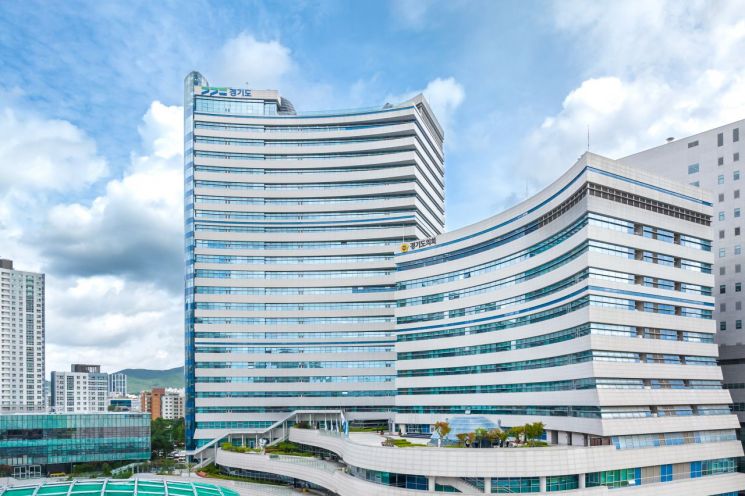
Gyeonggi Province announced on the 26th that it will implement the ‘6th Seasonal Fine Dust Management Plan’ from December, when high concentrations of fine dust frequently occur, until March next year.
During the seasonal management period, the province aims for an average concentration of fine particulate matter (PM2.5) of 24㎍/㎥ and plans to intensively promote 20 implementation tasks across five major areas for fine dust reduction: ▲Protecting residents' health ▲Industry ▲Transportation ▲Public sector ▲Information provision and cooperation enhancement.
In the area of protecting residents' health, special inspections will be conducted on indoor air quality in underground stations frequently used by residents and on air and ventilation purification facilities in public transportation-related facilities and other multi-use facilities to ensure proper operation.
Efforts will focus on collecting agricultural waste, and joint inspection teams (55 teams across 31 cities and counties) will be formed with related departments to preemptively block illegal burning in rural areas. The management of road dust re-scattering will be strengthened by using street cleaning vehicles on 190 major road sections totaling 614 km. Measures to suppress dust generation at construction sites adjacent to residential areas will be supervised, and restrictions on the use of old construction machinery at public construction sites with budgets exceeding 10 billion KRW will be enforced to reduce fine dust generation in daily life environments.
In the industrial sector, special inspections will be conducted on about 2,800 key management sites with frequent complaints. Advanced monitoring equipment such as fine dust measurement scanning LiDAR drones will be used to monitor industrial complexes with concentrated pollution sources. To crack down on suspected illegal pollutant discharge businesses, two atmospheric sampling teams will operate separately in the southern and northern parts of Gyeonggi Province. Additionally, 578 members of the “Our Neighborhood Monitoring Team” will maintain a constant surveillance system over pollutant emission facilities and dust scattering businesses to closely monitor emission sources.
In the transportation sector, during the seasonal management period, operation of Grade 5 emission vehicles will be restricted on weekdays from 6 a.m. to 9 p.m., excluding Saturdays, Sundays, and public holidays. A fine of 100,000 KRW per day will be imposed if such vehicles operate in Gyeonggi Province. This measure will be implemented simultaneously in the Seoul Metropolitan Area (Seoul, Gyeonggi, Incheon) and six major metropolitan cities (Busan, Daegu, Gwangju, Daejeon, Ulsan, Sejong).
To strengthen emission management, special crackdowns on idling and emissions will be conducted targeting cargo trucks with high fine dust emission rates, buses, and academy vehicles frequently moving within urban areas, focusing on vehicle-dense areas such as terminals, garages, and logistics centers.
In the public sector, regular inspections of municipal waste incineration facilities will be conducted during the seasonal management period, and incineration volumes will be reduced by 5-10% when high concentrations of fine dust are expected. Operation of Grade 4 diesel passenger vehicles owned by administrative and public institutions will be restricted, and a two-shift vehicle operation system for employees will be implemented when emergency reduction measures are issued due to high fine dust concentrations.
In the area of information provision and cooperation enhancement, private practice groups will monitor pollution sources around daily life areas and conduct campaigns. To quickly disseminate alerts and promote behavioral guidelines during high fine dust situations, announcements will be made at bus stops, environmental electronic signboards, and via text message services. Emergency reduction measures will be activated according to the ‘Fine Particulate Matter Crisis Management Manual’ at each crisis alert level.
Cha Seong-su, Director of the Climate, Environment and Energy Bureau of Gyeonggi Province, said, “Although this winter is expected to have unfavorable weather conditions due to the influence of foreign fine dust, we will do our best to protect residents’ health by strengthening and supplementing source-specific countermeasures.” He added, “For the successful implementation of the 6th Seasonal Management Plan, residents’ practical actions in daily life and active participation are necessary.”
© The Asia Business Daily(www.asiae.co.kr). All rights reserved.

















