Gwangju City Cuts Next Year's Low Birthrate Budget by 7.3 Billion Won
Councilor Park Mijeong Calls for Comprehensive 'Work-Family-Care' Measures
As the number of births in Gwangju continues to decline, the city has submitted a budget for next year’s low birthrate countermeasures to the city council, reducing it by 7.31 billion KRW compared to this year.
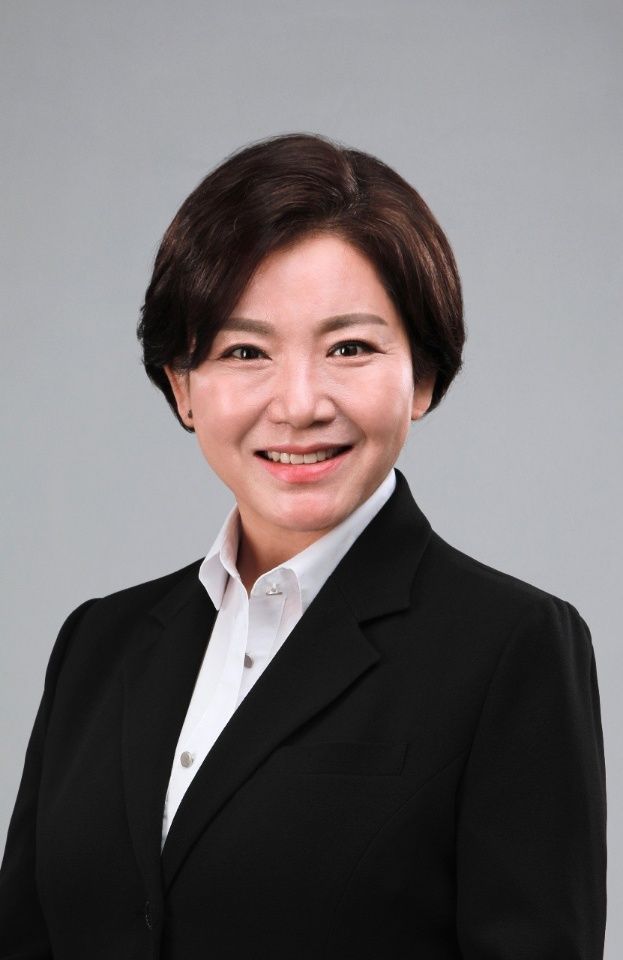
On the 25th, Park Mijeong, a member of the Gwangju City Council (Democratic Party, Dong-gu 2), stated during the second supplementary budget review by the Budget and Accounts Special Committee, “Gwangju is implementing the ‘All-in for Childcare Gwangju 7400+’ policy to address the ongoing low birthrate issue,” but added, “However, the situation is so severe that the budget for parental allowance (infant allowance) alone has been cut by 6.1 billion KRW.”
The city reflected changes from the Ministry of Health and Welfare, reducing the number of parental allowance recipients from 14,093 to 12,703, a decrease of 1,390 people. Additionally, budget cuts were proposed due to a decrease in the number of children, including 831.11 million KRW for daycare center necessary expense support and 269.59 million KRW for child allowance. In the case of the 60 million KRW cut for egg freezing procedure support, the eligibility criteria were too strict, resulting in only three beneficiaries.
On the other hand, the city requested increases of 34 million KRW and 35 million KRW respectively for the early-closed housework care service for pregnant women and the interest support for newlywed couples’ jeonse loans, as there were many applicants.
Looking at the trend of births in Gwangju over the past three years, the numbers have steadily decreased: 7,956 in 2021, 7,446 in 2022, and 6,172 in 2023. This year, the cumulative number of births from January to August was 4,069, a 5% decrease compared to 4,285 in the previous year.
The outflow of the young generation, which directly affects the number of births, to other regions is also at a serious level. Over the past three years, net population migration was 5,883 in 2021, 6,196 in 2022, 9,017 in 2023, and 5,935 as of September 2024, with many moving to the Seoul metropolitan area and other regions.
Councilor Park pointed out, “Although Gwangju is investing about 290 billion KRW this year alone to solve the low birthrate problem, the number of births continues to decline,” and added, “It is necessary to examine whether there is a gap between policy and reality, such as in the case of support for egg freezing procedure costs.”
She emphasized, “The submitted low birthrate countermeasure performance is also focused on demand or budget input achievement compared to targets for each detailed project,” and “A comprehensive evaluation of effectiveness is also needed.”
Councilor Park also urged, “To revive the birthrate, a tripartite system of work, family, and care must be established, along with Gwangju-specific measures addressing job and housing issues,” and warned, “We must not hesitate and miss the golden time to solve the low birthrate problem.”
© The Asia Business Daily(www.asiae.co.kr). All rights reserved.

















