Infertility Issues at 22... Reached 152kg Due to Binge Eating
Successfully Lost 64kg Through Exercise and Diet Control
A British man’s story of losing about 64kg in 9 months has become a hot topic. The man reportedly gained weight rapidly after being devastated by infertility issues in his early 20s.
Healthcare media platform Comedy.com reported on the 23rd, citing the British media outlet Mirror, the story of a British man named Ray Richardson (34). Richardson learned at age 22 that he had a low sperm count. He was overwhelmed by shock and helplessness, compounded by the loss he felt after having to stop playing soccer due to a knee injury he had sustained since childhood.
Afterward, Richardson began relying on binge eating. He ate delivery food four times a week and consumed 4,500 kcal per day. As a result, his weight rapidly increased from about 107 kg to 152 kg over three years. This condition continued for about 10 years, reaching 157 kg and a body mass index (BMI) of 44.4 in February this year. BMI is calculated by dividing a person’s weight (kg) by the square of their height (m²). Generally, adults with a BMI of 25 or higher are diagnosed as obese.
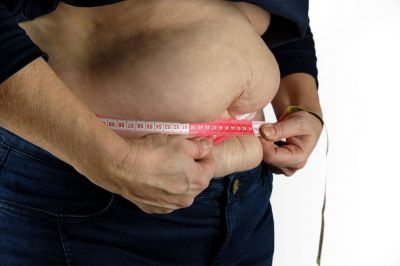
Determined that he could not continue living like this, Richardson decided to lose weight. He joined a men’s diet program based on soccer and combined exercise with dietary control, adjusting his daily intake to 1,700?2,000 kcal. His diet included Greek yogurt, granola, protein foods, and he limited delivery food to once a month. As a result, Richardson lost 64.5 kg in 9 months, bringing his weight down to about 92 kg and his BMI to 26.2.
Richardson said, “Clothes never fit or were uncomfortable before, but now I can choose from ordinary brands. I’m happier, more confident, and thinking about myself makes me feel good.”
Meanwhile, Comedy.com noted that young men like Richardson can also experience infertility issues. Sperm is an important factor in male reproductive health, but being young does not necessarily mean having a high sperm count. Sperm count can decrease due to genetic factors, hormonal changes such as testosterone, smoking, nutritional deficiencies, irregular sleep, excessive stress, and medication use.
© The Asia Business Daily(www.asiae.co.kr). All rights reserved.
![Clutching a Stolen Dior Bag, Saying "I Hate Being Poor but Real"... The Grotesque Con of a "Human Knockoff" [Slate]](https://cwcontent.asiae.co.kr/asiaresize/183/2026021902243444107_1771435474.jpg)
















