The Bank of Korea's '2024 Systemic Risk Survey Results'
Major risk factors for South Korea's financial system were identified as the high household debt level and policy changes following the U.S. presidential election.
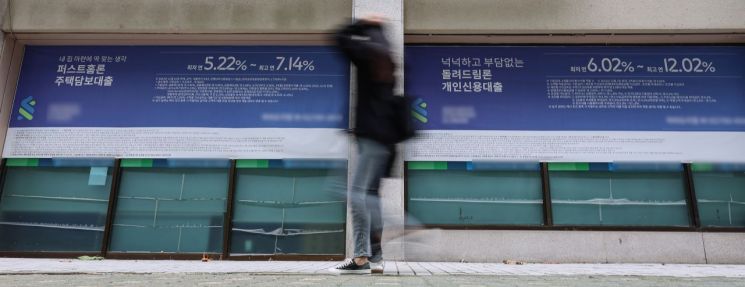
According to the "2024 Systemic Risk Survey Results" released by the Bank of Korea on the 21st, the main risk factors for South Korea's financial system include ▲high household debt levels and increasing repayment burdens ▲policy changes following the U.S. presidential election ▲domestic economic sluggishness due to delayed recovery in domestic demand ▲demographic changes such as low birth rates and aging population ▲strengthening of major countries' industrial policies prioritizing domestic interests, including the U.S.'s supply chain restructuring strategy.
This survey was conducted from the 29th of last month to the 8th, targeting a total of 78 financial and economic experts from domestic financial institutions, research institutes, universities, and overseas investment banks (IBs).
Respondents cited "high household debt and increasing repayment burdens" (26.9%) and "policy changes following the U.S. presidential election" (20.5%) as the top risk factors.
Based on the simple aggregation of response frequencies for the five risk factors mentioned by respondents, domestic risk factors were identified as high household debt levels and increasing repayment burdens (61.5%), domestic economic sluggishness due to delayed recovery in domestic demand (51.3%), and demographic changes such as low birth rates and aging population (39.7%). External risk factors included policy changes following the U.S. presidential election (56.4%) and the strengthening of major countries' industrial policies prioritizing domestic interests, such as the U.S.'s supply chain restructuring strategy (39.7%).
In the short term (within one year), risks such as policy changes following the U.S. presidential election, domestic economic sluggishness, and expansion of small business insolvencies were judged to have a high likelihood of materializing. In the medium term (1?3 years), risks such as household debt, demographic changes, and domestic-first policies were highlighted.
Respondents evaluated demographic changes, policy changes following the U.S. presidential election, and the strengthening of major countries' industrial policies prioritizing domestic interests as factors with both high impact and high likelihood of occurrence on the financial system. Domestic economic sluggishness and expansion of small business insolvencies were found to have a high likelihood of occurrence but relatively low impact on the financial system. "High household debt levels and increasing repayment burdens" were assessed as having a significant impact on the financial system but a lower likelihood of occurrence.
Compared to the previous survey, household debt risk (61.5%) remained the largest risk factor. Five other factors, excluding household debt, were identified as new risks, indicating a significant change in risk perception compared to the previous survey. Policy changes following the U.S. presidential election (56.4%), domestic economic sluggishness due to delayed recovery in domestic demand (51.3%), demographic changes such as low birth rates and aging population (39.7%), the U.S.'s supply chain restructuring strategy and strengthening of major countries' domestic-first industrial policies (39.7%), and expansion of small business insolvencies (34.6%) entered the top six new risk factors.
Meanwhile, trust in the stability of South Korea's financial system over the next three years increased compared to the previous survey. The likelihood of shocks that could undermine the stability of the financial system was found to have somewhat decreased compared to the previous survey.
© The Asia Business Daily(www.asiae.co.kr). All rights reserved.

















