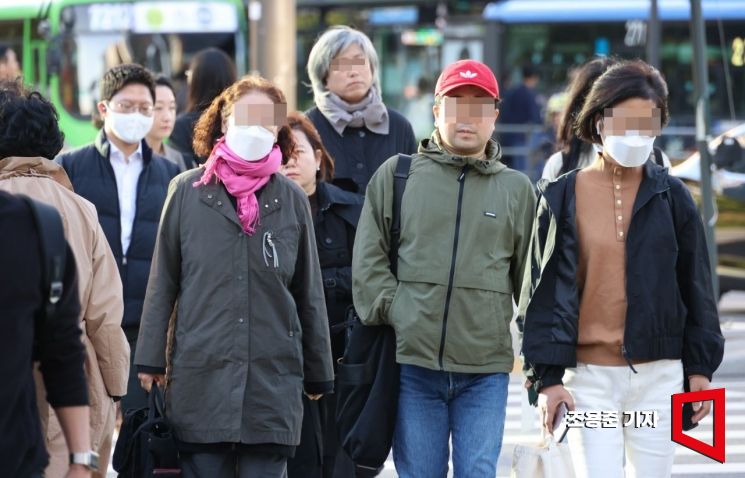
As the weather suddenly turns cold, more citizens are taking out winter gear. Keeping warm is especially important for the elderly and those with high blood pressure. When going outside, a warm coat is essential, along with gloves, hats, and scarves. If you find all of these bothersome, at least wear a scarf. Wearing a scarf alone can increase the perceived temperature by more than 5 degrees Celsius. The part of the body that feels the cold the most is the neck. The area that feels the cold the least is the back of the hands. By body part, the neck and head are the most sensitive to cold, followed by the feet, back, arms, and thighs. The chest, back of the hands, and top of the feet are less sensitive to cold.
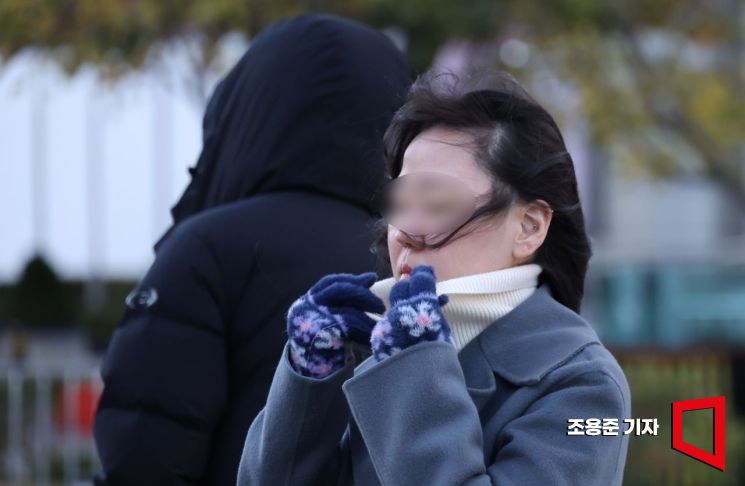 A citizen dressed in thick clothing is tightening their clothes against the cold. Photo by Jo Yong-jun
The reason many elderly people wear hats in the cold is that most of the body's heat escapes through the head. It is known to account for 30-50% of body temperature regulation. Wearing just a hat has a significant warming effect. Wearing a hat on cold days is effective in preventing strokes. Gloves are important not only for warmth but also because putting hands in pockets can increase the risk of falls. Elderly people need to protect their hip joints above all else. The hip joint, located around the buttocks, is most commonly fractured due to falls.
It is known that 30% of people aged 60 and older experience falls on slippery icy roads or stairs during winter. As people age, their sense of balance and vision decline, reflexes slow down, and osteoporosis, which weakens bones, almost always accompanies these changes. According to Hanyang University Hospital, the areas most prone to fractures from winter falls are the wrists, hips, and spine. Among these, wrist and spine fractures often heal without symptoms or surgery. However, hip fractures show the opposite outcome.
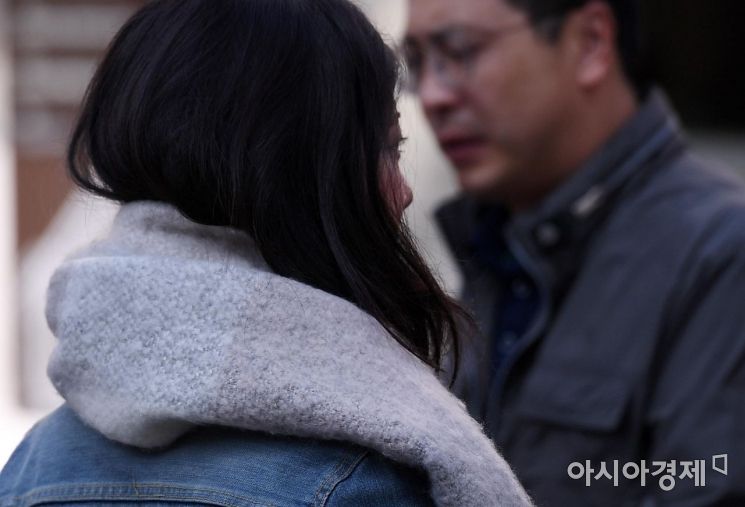 A citizen in Myeongdong is walking down the street dressed in thicker clothing. Photo by Kim Hyun-min
When falling on the hip, initially the pain is not severe and swelling is minimal, so it is often hard to notice any abnormality. Many elderly people have reduced activity levels and neurological conditions such as dementia, so fractures are often not detected early. They may only show symptoms of reduced mobility after falling, and diagnosis is frequently delayed. There is no secret to preventing fractures other than avoiding falls. However, one way to reduce the risk of fractures is to prevent osteoporosis. Early diagnosis and appropriate medication treatment for osteoporosis is one method to prevent fractures caused by winter falls. Proper exercise also helps prevent fractures.
© The Asia Business Daily(www.asiae.co.kr). All rights reserved.
![Clutching a Stolen Dior Bag, Saying "I Hate Being Poor but Real"... The Grotesque Con of a "Human Knockoff" [Slate]](https://cwcontent.asiae.co.kr/asiaresize/183/2026021902243444107_1771435474.jpg)


















